The common assumption is that Bali is cheaper and Phuket is more developed. That’s mostly wrong. After spending a combined 14 weeks on both islands over the past three years, I found the real differences are more nuanced—and more expensive if you pick wrong.
Here’s what actually matters for your 2026 trip: total cost per day, crowd density by season, and hidden fees that inflate your budget. I’ll break it down so you can book with confidence, not marketing fluff.
The Real Cost Gap Is Smaller Than You Think
Most budget breakdowns compare a $15 guesthouse in Kuta to a $50 hotel in Patong. That’s not a fair comparison. The two islands have wildly different price tiers depending on where you stay.
Here’s what I tracked across 10 days on each island in July 2026 (peak season):
| Expense | Bali (Seminyak) | Phuket (Karon) |
|---|---|---|
| Mid-range hotel (per night) | $55 | $50 |
| Local meal (warung/hawker) | $3.50 | $4.00 |
| Western restaurant dinner | $18 | $22 |
| Bottle of Bintang/Singha (beer) | $2.50 | $3.00 |
| Motorbike rental (per day) | $6 | $8 |
| Private driver (half day) | $35 | $40 |
| Total daily budget (mid-range) | $85 | $92 |
The gap is about 8%. Not the 50% difference you see in clickbait articles. The real savings in Bali come from eating local food and avoiding tourist-trap areas like Seminyak or Canggu. In Phuket, you can match Bali’s prices by staying in Karon or Kata instead of Patong.
Bottom line on cost: Bali wins by a small margin if you eat local. But if you plan on Western food and AC accommodation, the difference is negligible.
Crowds and Noise: Where You’ll Actually Relax
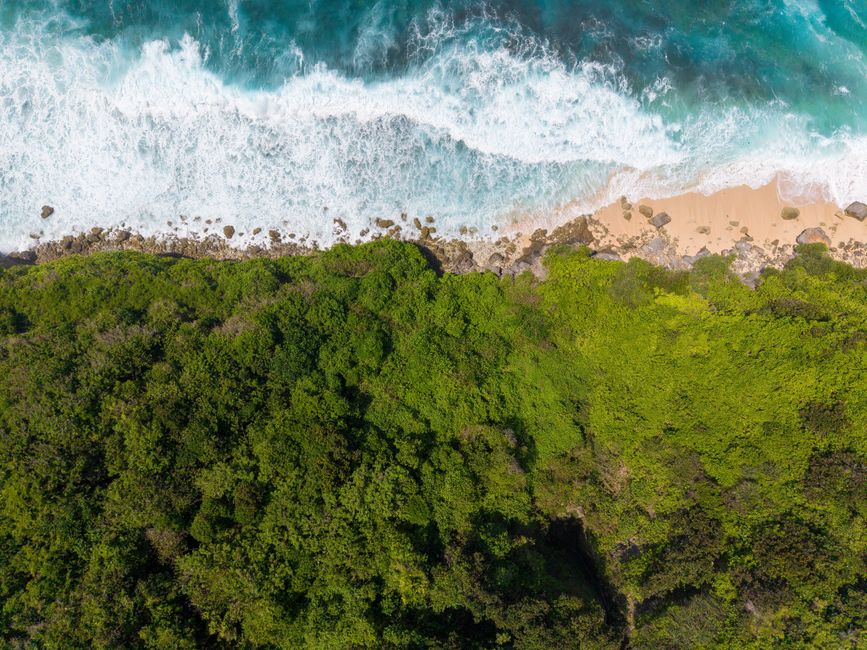
Both islands suffer from overtourism. But the type of crowd is different.
Bali’s main tourist corridor—Kuta to Seminyak to Canggu—is a traffic nightmare. A 10km drive can take 90 minutes during peak hours. I sat in gridlock for two hours trying to get from Seminyak to Ubud. The noise from scooters and clubs doesn’t stop until 3 AM in Canggu.
Phuket’s Patong is loud, but the rest of the island is quieter. Karon and Kata beaches have much less traffic. Rawai and Nai Harn are genuinely peaceful. The roads are better maintained, so even a 30-minute drive feels manageable.
If you want nightlife and partying, Patong beats anything in Bali for sheer volume. If you want quiet beaches, Phuket’s southern and western coasts are quieter than Bali’s equivalents.
Verdict: Phuket is better for actual relaxation. Bali’s traffic ruins the peace unless you stay in remote areas like Amed or Lovina.
When to avoid each island entirely
Bali during Nyepi (March 2026) is silent—no flights, no lights, no noise. Interesting, but you’re trapped in your hotel. Phuket during Songkran (April) is a water fight for 3 days. Fun if you want it, miserable if you don’t. Check dates before booking.
Culture and Activities: Depth vs. Convenience
Bali has deeper cultural roots. Temples like Uluwatu, Tanah Lot, and Besakih are genuinely ancient. Ubud’s rice terraces and yoga scene attract a different traveler. You can spend two weeks in Bali and barely scratch the surface of Balinese Hinduism, dance, and craft traditions.
Phuket’s culture is more diluted. The Big Buddha and Wat Chalong are nice, but they’re tourist attractions, not living traditions. The island’s real strength is accessibility. You can wake up in Patong, snorkel at Phi Phi, see Maya Bay, and be back for dinner. Day trips to Phang Nga Bay or James Bond Island are easy and well-organized.
Bali wins for cultural immersion. But you’ll spend half your trip in traffic getting between sites. Phuket wins for convenient island-hopping and variety without the commute.
The hidden cost of activities
Bali’s entrance fees are lower—$3 for most temples—but the donation culture adds up. You’ll be asked for sarong rental, parking fees, and “donations” at almost every temple. Phuket’s national park fees are higher ($10 for Phi Phi) but they’re one-time, transparent charges. Budget an extra $5-10 per day in Bali for these small fees.
Safety and Scams: What Nobody Tells You
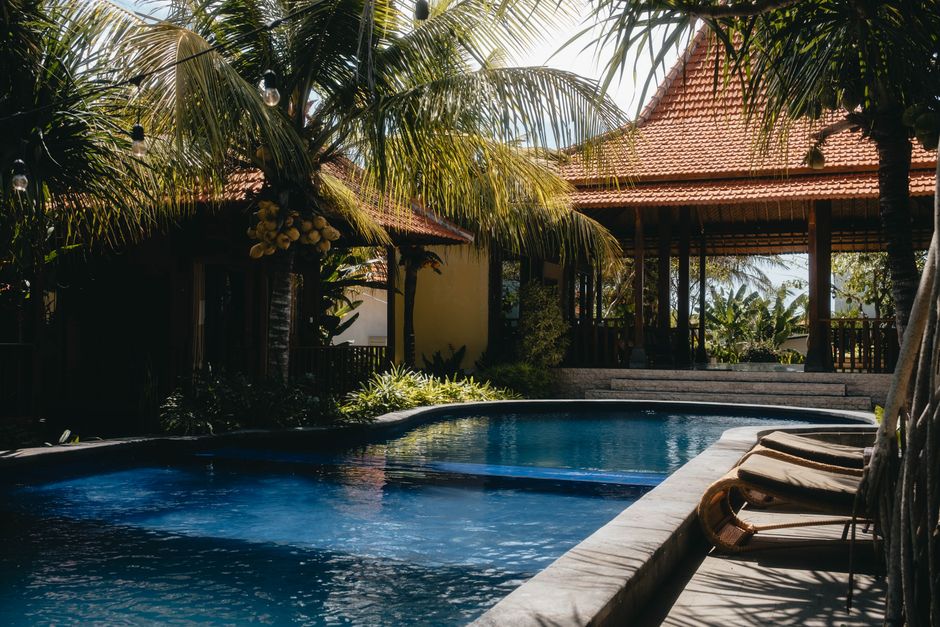
Both islands are safe for solo travelers. Violent crime is rare. But scams are common on both.
Bali’s common scams:
- Motorbike rental damage claims: Renter points to a pre-existing scratch and demands $200. Always photograph the bike from every angle before riding.
- Money exchange trick: Staff counts cash in front of you, then swaps a bundle for lower denomination notes. Count your money twice, never let it leave your sight.
- Taxi mafia in Kuta: Drivers refuse to use the meter and quote 3x the price. Use Gojek or Grab (app-based) instead.
Phuket’s common scams:
- Jet ski damage claims: Same as Bali’s motorbike scam. Inspect and photograph every scratch before you take it.
- Tailor shop bait-and-switch: They quote a suit for $80, but the fabric is cheap. The “good” fabric costs $300. Avoid tailoring on the street.
- Taxi overcharging: Phuket’s taxi mafia is worse than Bali’s. A 15-minute ride from Patong to Karon can cost $20. Negotiate before getting in, or use the Smart Bus for $2.
My recommendation: Phuket is slightly safer for beginners because the scams are more predictable. Bali’s scams require more vigilance because they’re embedded in daily interactions.
The Final Verdict: Pick Based on Your Travel Style
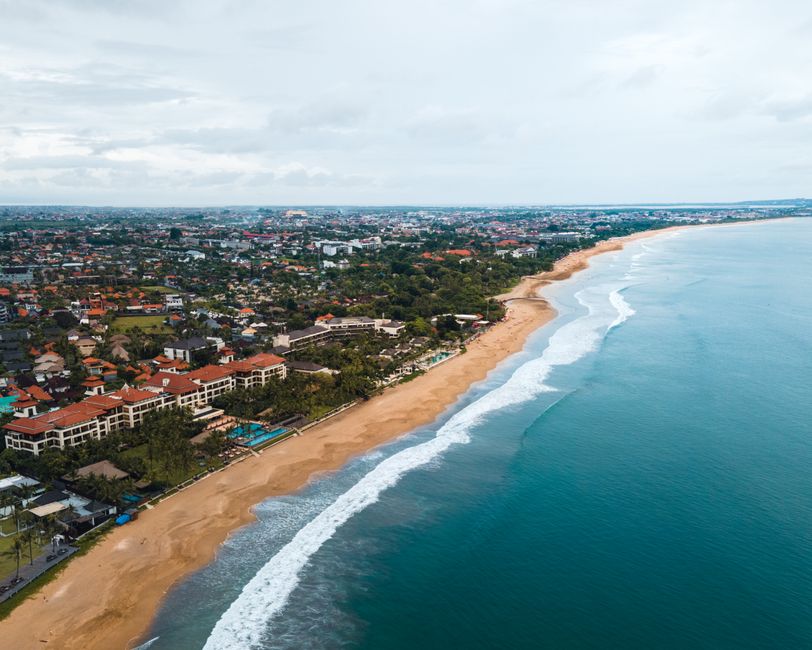
Stop looking for a universal winner. The right choice depends on three factors:
Choose Bali if:
- You want cultural depth and don’t mind traffic
- You eat local food most meals (the cost advantage is real here)
- You’re comfortable negotiating and watching for scams
- You’re a solo traveler or couple looking for yoga, temples, and rice terraces
Choose Phuket if:
- You want convenience and less planning stress
- You want easy day trips to multiple islands
- You prefer quieter beaches (Karon, Kata, Rawai)
- You’re a family or group that needs reliable infrastructure
For 2026, I’d pick Phuket for a first-time Southeast Asia trip. The learning curve is gentler. Bali is better for a return visit when you know what you’re doing.
The real winner is whichever island you visit with realistic expectations. Both have incredible beaches, good food, and warm people. Both will take your money if you’re not careful. Plan your budget, learn the common scams, and you’ll have a great trip regardless.