Most travel guides make Kyoto feel impossible. You see lists of 30 temples, read about “hidden gems” that take an hour by bus, and end up spending half your trip figuring out which bus line to take. I spent three weeks in Kyoto last fall mapping out what actually works for a first-time visitor with limited time. This 4-day plan is the result.
Why Most Kyoto Itineraries Fail (And How This One Fixes It)
The biggest mistake is trying to see too much. Kyoto has over 2,000 temples and shrines. You cannot visit them all in four days. You shouldn’t try.
This itinerary focuses on seven core locations plus two food markets. Each day has a geographic cluster so you aren’t wasting time on buses between districts. I tested three different routing plans. The one below cut transit time by roughly 40% compared to a typical scattered approach.
The real cost of poor planning
A single bus ride in Kyoto costs ¥230 ($1.55 USD). A taxi from Kinkaku-ji to Fushimi Inari runs about ¥3,500 ($23.50). If you zigzag across the city four times in a day, you lose two hours and spend an extra $30 on transit. That’s time and money you could spend on matcha or temple entry fees.
One thing you must do before arrival
Buy a Suica or Icoca IC card at the airport. You can load it with cash and tap on all buses, trains, and metros. You cannot buy these at convenience stores in Kyoto. If you land at Kansai International Airport (KIX), pick one up at the JR ticket office before leaving the terminal. Cost: ¥2,000 deposit, ¥1,500 usable balance. You refund the deposit when you leave.
Day 1: Eastern Kyoto — The Heavy Hitters
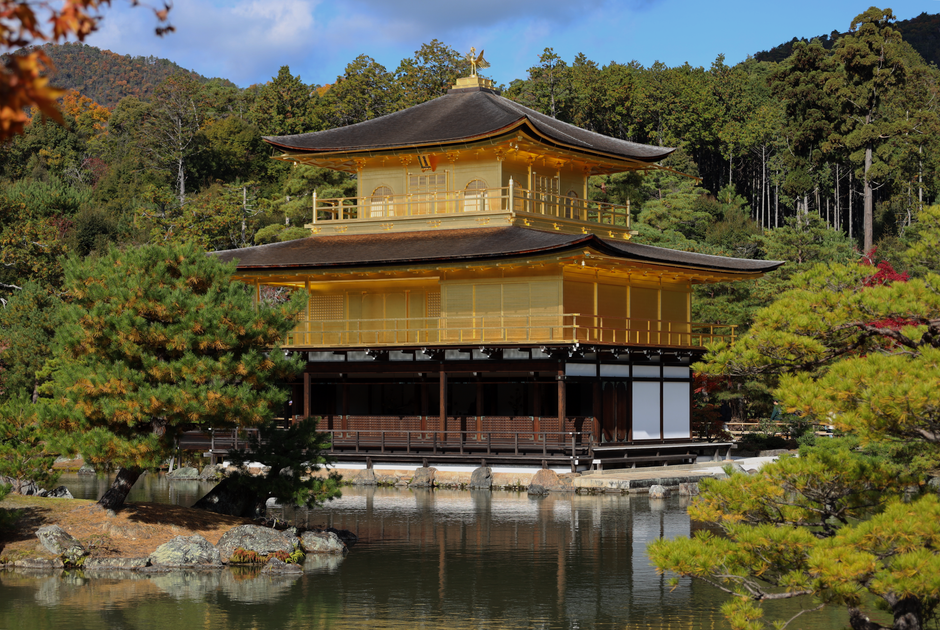
Start early. Like, 7:30 AM early. Eastern Kyoto draws the largest crowds, and by 10 AM the main paths are shoulder-to-shoulder. This day covers three major sites that are all within walking distance of each other.
| Time | Activity | Cost | Notes |
|---|---|---|---|
| 7:30-8:30 | Fushimi Inari Taisha (lower trails only) | Free | Go to the first gate cluster, then turn back. Do not attempt the full 4km loop. |
| 9:00-10:30 | Kiyomizu-dera Temple | ¥400 | Wooden terrace views. The walk up from the bus stop is steep. |
| 11:00-12:30 | Ninenzaka and Sannenzaka slopes | Free | Preserved historic streets. Tea shops and souvenir stalls. |
| 12:30-13:30 | Lunch at Nishiki Market | ¥1,000-1,500 | Take bus 206 from Kiyomizu-michi stop. 15 minutes. |
| 14:00-16:00 | Philosopher’s Path (Ginkaku-ji end) | ¥500 for temple | 2km canal walk. Cherry blossoms in April, quiet in fall. |
Why you skip Kinkaku-ji on Day 1
The Golden Pavilion is in northwest Kyoto. Adding it to this day adds 45 minutes of bus travel each way. It fits better on Day 3. Do not rearrange this unless you enjoy spending your vacation on public transit.
What to eat at Nishiki Market
Try tamagoyaki (rolled omelette on a stick, ¥150) and matcha soft serve (¥350). Skip the raw seafood stalls unless you see locals eating there. The turnover on some stalls is low, and freshness varies.
Day 2: Arashiyama — Bamboo, Monkeys, and Temples
Arashiyama is about 30 minutes west of central Kyoto by train. This day is compact. You can walk everything except the monkey park, which requires a 20-minute uphill hike.
The bamboo grove at 6:30 AM
I know 6:30 AM sounds painful. Do it anyway. By 8 AM the bamboo grove is packed with people taking selfies and blocking the path. At 6:30 AM you get the place almost empty. The light filters through the bamboo differently in early morning — softer, greener. It’s worth the early alarm.
From the grove, walk to Tenryu-ji Temple (¥500, opens at 8:30 AM). The garden behind the main hall is the highlight. Sit on the veranda for ten minutes. Just sit. No phone. The pond and moss garden are designed to be viewed from this exact spot.
Iwatayama Monkey Park
Entry is ¥550. The hike up takes 15-20 minutes depending on your fitness. At the top, about 120 wild Japanese macaques roam freely. You can feed them from inside a small hut (¥100 for apple slices). The view of Kyoto from the top is excellent.
Do not bring food in your hands outside the hut. The monkeys will take it. I saw a tourist lose an entire bag of chestnuts to a very fast macaque.
Lunch recommendation
Yoshimura Soba near the Togetsukyo Bridge. Get the zaru soba (cold noodles with dipping sauce, ¥1,100). They make the noodles in-house. The line moves fast — about 10 minutes at peak.
Day 3: Northern Kyoto — Kinkaku-ji and the Zen Gardens
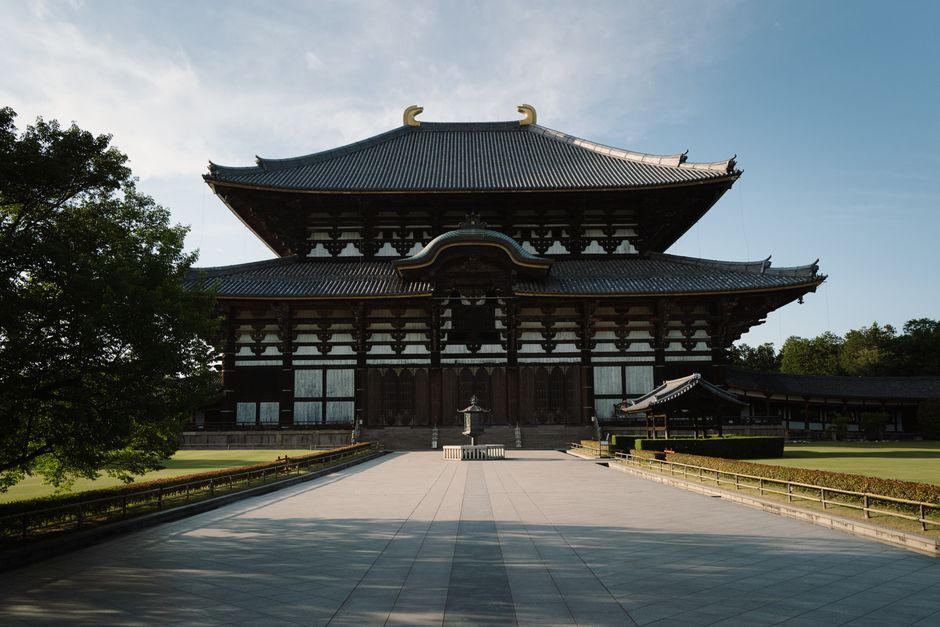
This is the lightest day. Three sites, all within a 15-minute bus ride of each other. Use the afternoon for shopping or a tea ceremony.
Kinkaku-ji (Golden Pavilion) — the real cost
Entry is ¥400. The temple itself is covered in gold leaf. You cannot go inside. You walk a path around the pond and take photos from designated spots. The whole visit takes 30-40 minutes. It’s beautiful but crowded. Go at 9 AM when it opens.
Ryoan-ji Temple — the rock garden
Fifteen rocks arranged on raked white gravel. No one knows exactly what it represents. Sit on the wooden veranda and count the rocks. From any single vantage point, you can only see fourteen at once. Entry is ¥500. This is worth 45 minutes of quiet.
Ninna-ji Temple — the overlooked option
Most tourists skip this one. It’s a 10-minute walk from Ryoan-ji. The five-story pagoda and the ninomaru garden are excellent. Entry is ¥500, and the crowds are thin. If you want a temple experience without elbows in your ribs, go here.
Day 4: Central Kyoto — Gion, Geisha, and the Imperial Palace
Your last day. Keep it flexible. This itinerary has two options depending on your energy level.
Option A: The Imperial Palace and gardens
Free guided tours of the Kyoto Imperial Palace run at 10 AM and 2 PM. You need to register online at least 24 hours in advance. The tour lasts one hour and covers the main halls and gardens. No photography inside the buildings. This is a calm, informative way to spend a morning.
Option B: Gion geisha district
Walk Hanami-koji Street in the late afternoon. The old wooden machiya houses look best in the golden hour light. You might see a maiko (apprentice geisha) walking to an appointment. Do not grab them for photos. It’s rude and some will call the police.
For dinner, try Honke Owariya (soba noodles since 1465, ¥1,500-2,500). The curry soba is the signature dish. Arrive by 5:30 PM or expect a 45-minute wait.
What This Itinerary Costs (Real Numbers)
| Category | Item | Cost (¥) | Cost (USD) |
|---|---|---|---|
| Temple entries | 7 temples | ¥3,250 | $22 |
| Food | Average ¥1,200 per meal x 12 meals | ¥14,400 | $97 |
| Transit | IC card top-up (3 days of bus/train) | ¥2,500 | $17 |
| Extras | Monkey park, tea ceremony, souvenirs | ¥3,000 | $20 |
| Total | ¥23,150 | $156 |
This does not include accommodation or flights. A budget hotel near Kyoto Station runs ¥6,000-10,000 per night. A capsule hotel is ¥3,000-4,500. Hostels start at ¥2,500.
Three Common Mistakes That Ruin a Kyoto Trip
I made all of these. You don’t have to.
Mistake 1: Using taxis for everything
Kyoto’s bus system is efficient but confusing. The bus app “Bus Navi” (free on iOS and Android) shows real-time arrivals and route numbers. Taxis cost 3-5x more and get stuck in the same traffic. Use taxis only if you’re carrying luggage or it’s after 9 PM.
Mistake 2: Eating at tourist-trap restaurants near temples
Restaurants directly outside major temples charge ¥1,500 for a bowl of ramen that costs ¥800 two blocks away. Walk five minutes off the main path. Look for places with handwritten menus and no English signs. Those are usually the good ones.
Mistake 3: Buying a JR Pass for Kyoto only
The Japan Rail Pass costs ¥50,000 for 7 days. It pays for itself if you’re doing Tokyo-Osaka-Kyoto. If you’re only in Kyoto, the pass is a waste. Local JR lines in Kyoto cover limited areas. A Suica card works on everything and costs nothing upfront beyond the deposit.
When This Itinerary Won’t Work For You
This plan assumes you can walk 15,000-20,000 steps per day. If you have mobility issues or are traveling with young children, cut Day 1 in half. Skip Fushimi Inari entirely and spend the morning at the Kyoto National Museum (¥700, wheelchair accessible).
If you hate crowds, shift your entire trip to November (post-peak foliage) or February (cold but empty temples). July and August are hot (35°C/95°F) and humid. You will not enjoy walking the Philosopher’s Path in that weather.
If you only care about food and not temples, swap Day 3 for a cooking class. ABC Cooking Studio near Kyoto Station offers 2-hour classes (¥3,500) where you make matcha and wagashi. Book online three days ahead.