The best home gym is not the one with the most equipment. It is the one that clears quickly, feels safe underfoot, and makes a short training session easier to begin.
A spare room, garage bay, or cleared basement can support useful martial arts practice without pretending to be a commercial gym. The aim is not to reproduce every station from a full facility. It is to create a reliable place for movement, controlled striking, conditioning, and technical repetition on days when travel time or a crowded schedule would otherwise erase the session.
The room should begin with a question: what will actually happen here? Shadowboxing requires open floor and decent light. Bag work needs clearance, noise planning, and stable equipment. Ground drills need a surface that can be cleaned and enough room to move without meeting a table leg. Partner pad work needs even more clearance and an agreement about intensity.
Century Martial Arts organizes equipment across bags, mats, MMA gloves, wraps, targets, coach gear, and apparel. A sensible home setup does not buy every category. It chooses the few categories that support the work you repeat each week, then leaves enough empty space for the room to remain usable.
1. Measure the active zone, not the empty room
A room can look large until a bag, shelving unit, and person in motion occupy it. Mark the active zone with painter's tape before ordering anything. Test stance changes, forward and backward steps, lateral movement, sprawls, and the path you will use to enter and leave. If two people may train together, repeat the test with both present.
Keep distance from windows, exposed pipes, sharp shelving, heaters, and low light fixtures. Doors should be able to open without crossing the striking path. In a garage, remember that the car, tools, and stored boxes can migrate. A permanent safety boundary is more useful than a floor plan that works only after twenty minutes of rearranging.
Think vertically as well. Hanging equipment places demands on the structure and should only be installed where the building and hardware are appropriate. A freestanding bag avoids ceiling installation, but its base and movement envelope still consume floor space. If you rent, share walls, or need the room for other purposes, portability may matter more than the feel of a permanent station.
2. Let the floor decide what the room can do
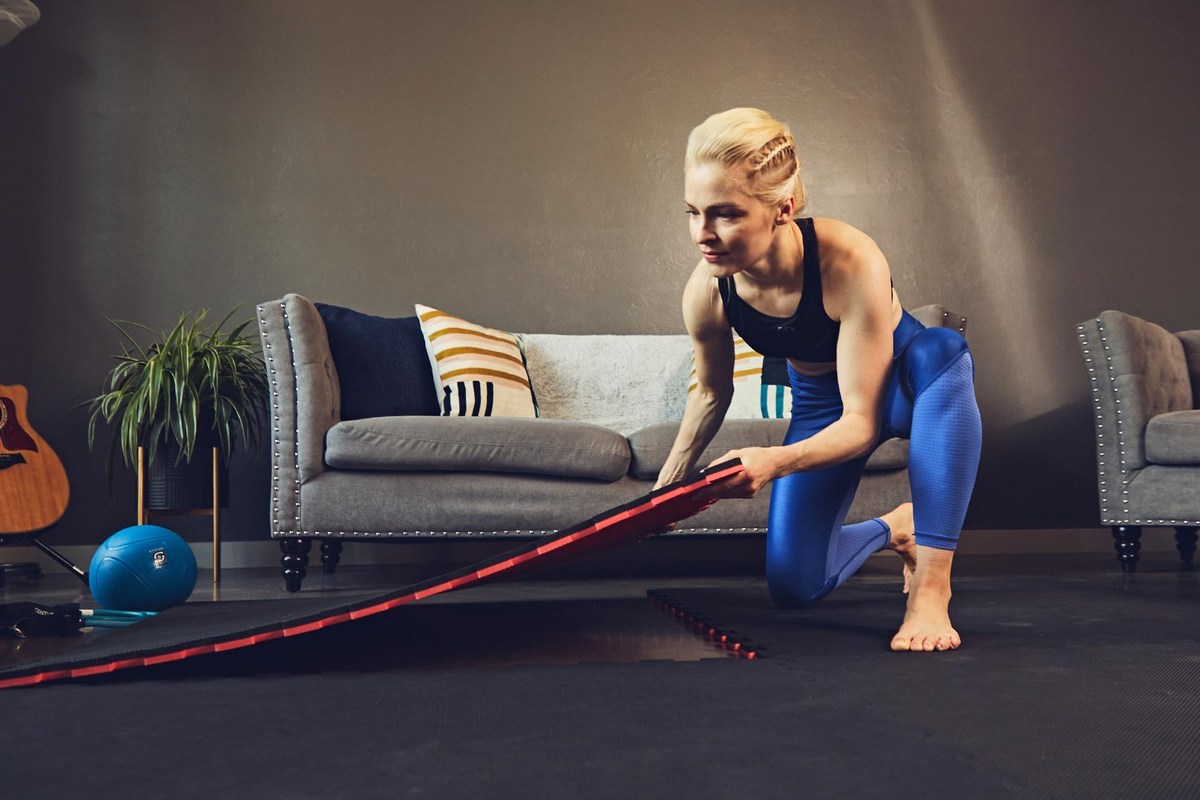
The floor is not a background purchase. It affects footing, cleaning, noise, and whether ground work is reasonable. Interlocking martial arts mats can define a training area and may be removed when the room changes use. Whatever surface you choose, it should lie flat, stay consistent underfoot, and be maintained according to its maker's instructions.
More padding is not automatically better. A surface that feels comfortable for kneeling may feel unstable during fast stance work. Build around the primary activity and avoid assuming that a small home mat area makes throws or uncontrolled takedowns safe. High-impact partner work requires coaching, suitable space, and surfaces intended for that use.
Cleaning should be easy enough to happen every time. Keep a small closed bin, approved cleaning supplies, and a drying place for wraps and clothing nearby. A room that smells damp will stop being inviting very quickly. The best storage system separates clean gear, used gear, and items that must air out before they are put away.
3. Choose one striking station and give it room
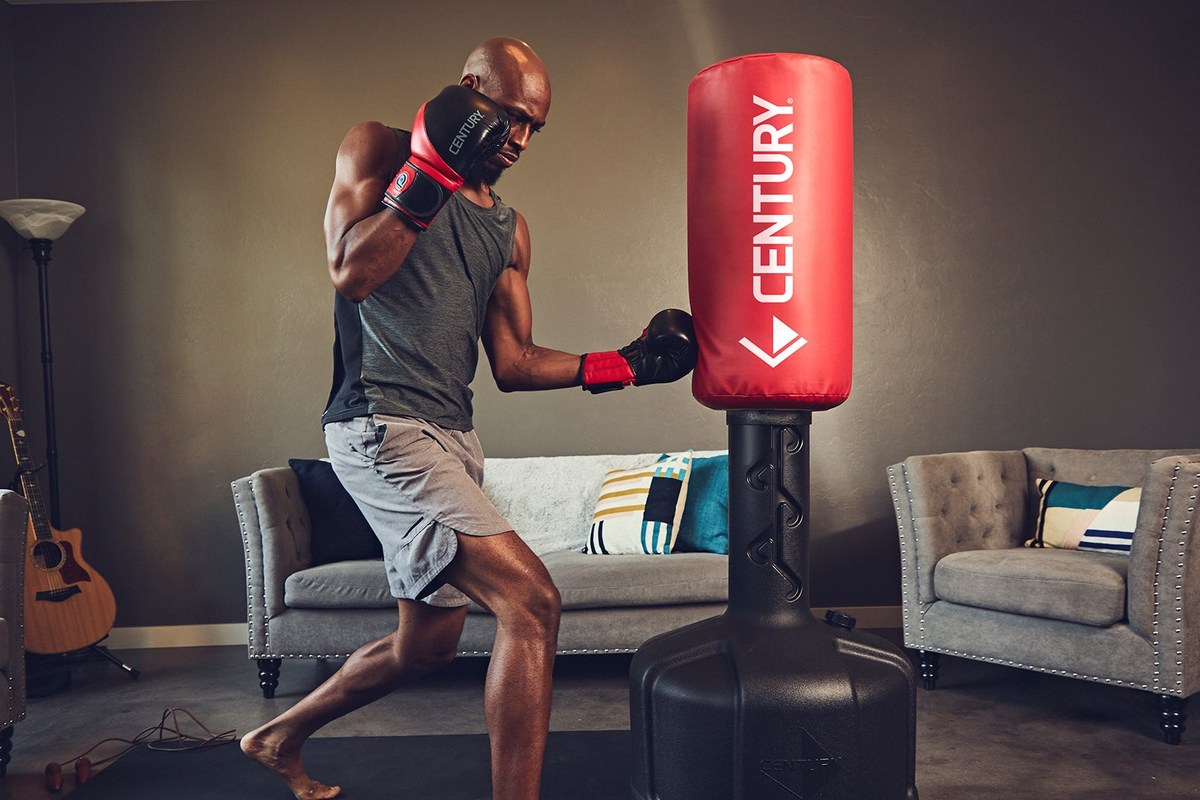
A bag is often the visual center of a home martial arts space, but it should be chosen after the room is measured. Hanging bags can offer a familiar response, yet they need sound structural support and may transmit vibration. Freestanding bags, including Wavemaster-style options, can be easier to position and remove, though the filled base and surrounding clearance still need planning.
Decide whether the station is for boxing combinations, kicks, knees, movement around a target, or short conditioning intervals. That answer influences target height, access from different angles, and the amount of open space needed. Buying a large piece of equipment without a session plan often creates an object that is impressive but awkward to use.
Noise is part of the design. Test the room at the time you are likely to train, especially in an apartment or attached garage. Dense flooring, careful placement, and moderate technique may reduce disturbance, but there is no substitute for being considerate. A quieter technical session that can happen regularly is worth more than an intense session that causes conflict after the first week.

4. Keep personal gear visible and ready
Gloves, wraps, a mouthguard, training clothes, and small pads are easier to use when they have a clear home. Open shelving can work for dry items, while ventilated hooks or racks help recently used gear air out. Avoid sealing damp gloves or wraps in a dark plastic box. Convenience should not come at the expense of hygiene.
A simple session shelf can hold a timer, notebook, water bottle, and the equipment for that day's plan. Keeping the choice small reduces setup friction. Instead of facing every piece of gear you own, you see the three things needed for the next forty minutes.
Leave a section of the room empty. Empty space supports warm-ups, footwork, cooldowns, and changes in training emphasis. It also prevents the home gym from becoming storage disguised as fitness. Equipment should justify the area it occupies by appearing in the weekly routine.
5. Add a recovery edge, not a second living room
The final corner can be modest: water, a towel, a place to sit while removing wraps, and enough floor for a deliberate cooldown. It does not need screens, decorative lighting, or a collection of recovery devices. It needs to make the transition out of training calm and repeatable.
Write short session templates in advance. One might combine warm-up, four technical rounds, three controlled bag rounds, and mobility. Another might be a twenty-minute return-from-travel session with footwork, light combinations, and hips and shoulders. A prepared template prevents the common home-gym habit of spending half the available time deciding what to do.
Food and recovery still happen outside the room. Keep the plan simple enough that training does not push dinner or sleep unreasonably late. A home setup should remove travel time and decision fatigue, not create a new reason to ignore the rest of the day.
Buy for the routine you can repeat
The strongest home MMA corner is usually restrained: dependable floor space, one useful striking station, personal gear that dries properly, and a written plan. It can grow when a repeated training need becomes obvious. Until then, empty space is an asset.
Century's MMA and training collections make it possible to compare the major categories in one place. Use that range as a planning tool. Measure first, define the weekly sessions, and choose the equipment that makes those sessions simpler rather than merely making the room look more complete.