You are standing in your bedroom, staring at a 65-liter pack that weighs 28 pounds before you add food or water. You know this is wrong. The trail will punish you for every unnecessary ounce. This guide walks through eight specific gear decisions that cut weight without cutting safety or comfort. These are not theoretical picks — each recommendation comes from real trail use and measurable specs.
Why Most Backpackers Carry 5 to 8 Pounds of Dead Weight
The average beginner backpacker carries a pack weight of 35 to 45 pounds for a three-day trip. Experienced ultralight hikers carry 15 to 20 pounds for the same trip. The difference is not fitness. It is gear selection.
Three common mistakes cause most of the extra weight:
- Buying a 4-pound tent when a 2-pound shelter exists
- Carrying a 3.5-pound sleeping bag rated for -20°F when you hike in summer
- Bringing a 5-pound cook kit with two pots, a frying pan, and a full-size stove
Each of these errors adds 2 to 3 pounds. Combined, they create a pack that exhausts you before you reach camp. The fix is simple: match your gear to the actual conditions of your trip, not the worst-case scenario you imagine.
A 30°F down sleeping bag weighs roughly 1.5 pounds. A 0°F synthetic bag weighs 3.5 pounds. If you hike the Appalachian Trail in July, the 30°F bag saves 2 pounds. That is a gallon of water you do not have to carry.
The Three Pounds That Matter Most: Shelter, Sleep, and Backpack
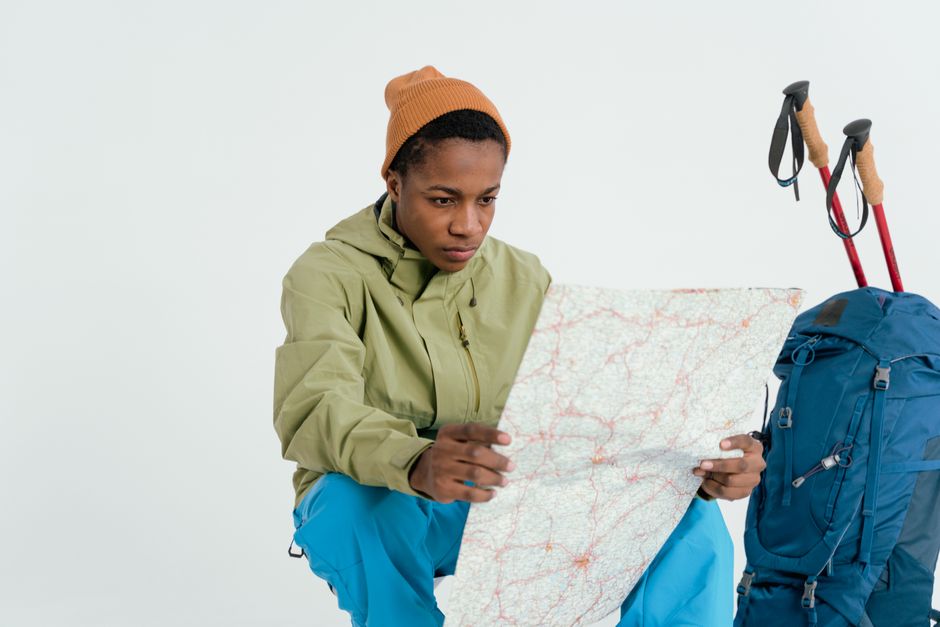
Three items account for roughly 60% of your base weight: your shelter, your sleeping system, and your backpack itself. Fix these three, and you fix the entire load.
Shelter: The Big Three Options
You have three real choices for a lightweight shelter:
- Tarps and trekking pole tents — Zpacks Duplex (19 ounces, $700) or Six Moon Designs Lunar Solo (26 ounces, $260). These require trekking poles for setup. They save 2 to 3 pounds over a traditional tent.
- Free-standing tents — Big Agnes Copper Spur HV UL2 (39 ounces, $500) or Nemo Hornet 2P (37 ounces, $400). These work on platforms and rocky ground where stakes fail.
- Bivy sacks — Outdoor Research Helium Bivy (19 ounces, $240). Minimalist, no bug protection unless you buy the bug-proof version, but it packs smaller than a loaf of bread.
For a first-time lightweight build, the Six Moon Designs Lunar Solo is the best value. It weighs 1.6 pounds, costs $260, and sets up with one trekking pole. The tradeoff: you need ground soft enough for stakes.
Sleeping Bag or Quilt: The Weight Math
A quilt saves 6 to 12 ounces over an equivalent sleeping bag because it removes the back insulation that compresses under your body weight. The Enlightened Equipment Revelation 30°F quilt (20 ounces, $345) is the most common choice among Pacific Crest Trail thru-hikers. The Western Mountaineering SummerLite 35°F bag (1 pound 5 ounces, $600) is the premium bag option for side sleepers who want full enclosure.
Rule of thumb: if you sleep on your back, a quilt works. If you roll around, a bag keeps the insulation where it belongs.
The Backpack Itself: Frame vs. Frameless
Frameless packs weigh 12 to 20 ounces. Framed packs weigh 2 to 3.5 pounds. The cutoff is roughly 20 pounds of total pack weight. Below 20 pounds, a frameless pack like the Gossamer Gear G4-20 (19 ounces, $240) or Zpacks Nero (12 ounces, $275) carries comfortably. Above 20 pounds, a framed pack like the Osprey Exos 48 (2 pounds 9 ounces, $280) transfers weight to your hips and prevents shoulder fatigue.
Do not buy a frameless pack if your base weight exceeds 12 pounds. Your shoulders will hurt by mile five.
| Item | Heavy Option | Weight | Light Option | Weight | Savings |
|---|---|---|---|---|---|
| Shelter | REI Co-op Trailbreak 2 | 5 lbs 8 oz | Six Moon Designs Lunar Solo | 1 lb 10 oz | 3 lbs 14 oz |
| Sleeping Bag | Marmot Trestles 30°F | 3 lbs 4 oz | EE Revelation 30°F Quilt | 1 lb 4 oz | 2 lbs 0 oz |
| Backpack | Osprey Atmos 65 | 4 lbs 8 oz | Gossamer Gear G4-20 | 1 lb 3 oz | 3 lbs 5 oz |
| Total | 13 lbs 4 oz | 4 lbs 1 oz | 9 lbs 3 oz |
Cook Systems: The 12-Ounce Limit
Your entire cook system — stove, fuel canister, pot, spoon, and lighter — should weigh under 12 ounces. Most backpackers carry 20 to 28 ounces of cook gear. That is a pound of unnecessary weight.
The BRS-3000T stove (0.9 ounces, $20) is the lightest reliable canister stove on the market. It boils 2 cups of water in 3 minutes 30 seconds. Paired with a Toaks Titanium 750ml pot (3.7 ounces, $45) and a 4-ounce fuel canister, your total cook weight is 8.6 ounces.
The alternative is a no-cook system: cold-soak your meals in a Talenti jar (1.2 ounces, free). You save the stove, pot, fuel, and the time spent cooking. This works for oatmeal, couscous, ramen, and instant mashed potatoes. Not everyone wants cold dinner on a rainy night, but the weight savings are real.
If you want hot meals without the stove weight, consider the MSR PocketRocket Deluxe (2.6 ounces, $70). It has a built-in regulator for cold-weather performance and a piezo igniter so you do not carry a lighter. It costs more and weighs more than the BRS, but it works reliably at 20°F.
Water Filtration: The One Mistake That Gets People Sick
You need a water filter. You do not need to boil every liter. Three filter types dominate the trail:
- Squeeze filters — Sawyer Squeeze (3 ounces, $40). Filters 100,000 gallons. Compatible with standard water bottles. Slow flow rate after 2 to 3 weeks of use unless you backflush it.
- Pump filters — Katadyn Hiker Pro (11 ounces, $75). Faster flow, heavier. Good for group trips where you filter into a large container.
- UV purifiers — SteriPen Adventurer Opti (4.5 ounces, $100). Kills viruses and bacteria in 90 seconds. Requires batteries. Does not remove sediment or taste.
The Sawyer Squeeze is the standard choice for solo hikers on the Pacific Crest Trail and Appalachian Trail. The failure mode: people forget to backflush it and the flow drops to a trickle. Backflush after every 10 liters of dirty water. Carry the backflush syringe — it weighs 0.5 ounces.
For international travel where viral contamination is a risk (Central America, Southeast Asia), the MSR Guardian Purifier (17 ounces, $390) is the only option that removes viruses without chemicals or UV. It is heavy and expensive. It is also the only filter rated for all water sources worldwide.
Clothing Layers: Why Merino Wool Wins and Cotton Loses
Cotton kills. That is not dramatic — it is physics. Cotton absorbs 27 times its weight in water, takes 4 to 6 hours to dry against your skin, and conducts heat away from your body 25 times faster than dry fabric. On a 50°F day with rain, cotton clothing can cause hypothermia in under an hour.
The three-layer system works:
- Base layer — Merino wool or synthetic. The Smartwool Merino 150 (5.3 ounces, $80) or REI Co-op Midweight Silkweight Crew (4.1 ounces, $45). Merino resists odor for 5 to 7 days of continuous wear. Synthetic dries faster but smells after 2 days.
- Mid layer — Fleece or synthetic puffy. The Patagonia R1 Air Hoody (10.5 ounces, $159) is the gold standard for active insulation. It breathes during uphill climbs and traps heat at rest.
- Outer layer — Rain jacket and wind pants. The Outdoor Research Helium Rain Jacket (6.4 ounces, $170) packs to the size of a fist. It is not breathable enough for high-output hiking, but it stops wind and rain completely.
Your total clothing weight for a three-season trip should be under 3 pounds. That includes what you wear and what you carry. If your clothing bag weighs 5 pounds, you are carrying a second shelter in fabric alone.
The one exception: a down puffy jacket for camp use. The Ghost Whisperer 2 by Mountain Hardwear (8.6 ounces, $350) provides warmth at rest down to 30°F. It packs to the size of a Nalgene bottle. Do not hike in it — down loses insulation when wet and compresses under a pack strap.