Costa Rica runs on a simple pitch: “pure life” with solar panels and composting toilets. The reality? Some hotels slap a “green” label on a concrete block and call it sustainable. I spent three weeks visiting 14 properties across the country, checking their actual systems — not their marketing brochures. Here are the 7 that pass the sniff test, with real 2026 rates.
What Makes a Costa Rica Hotel Actually Eco-Friendly? Stop Believing the Leaf Logo
Every hotel in Costa Rica can slap a leaf on their website. The government’s Certification for Sustainable Tourism (CST) uses a 1-5 leaf rating. Level 5 means the property manages 100% of its waste, generates at least 80% of its own renewable energy, and sources 90%+ of food locally. Level 1 means they recycle their beer bottles.
I checked CST certifications against what I saw on-site. Three properties claimed Level 4 but had diesel generators running at night and single-use shampoo bottles in bathrooms. Those didn’t make this list.
Real eco-friendly means:
- On-site water treatment — not just piping sewage to a municipal plant
- Zero single-use plastics — including the toilet paper wrapper
- Food grown within 50km — or they grow it themselves
- Renewable energy covering 100% of peak demand — backup generators exist but rarely run
- Living wages for staff — not just eco-tourism as a tax dodge
Skip any hotel that can’t show you their waste audit. If they can’t, they’re hiding something.
Lapa Rios Lodge ($520–$950/night) — The Gold Standard Nobody Talks About
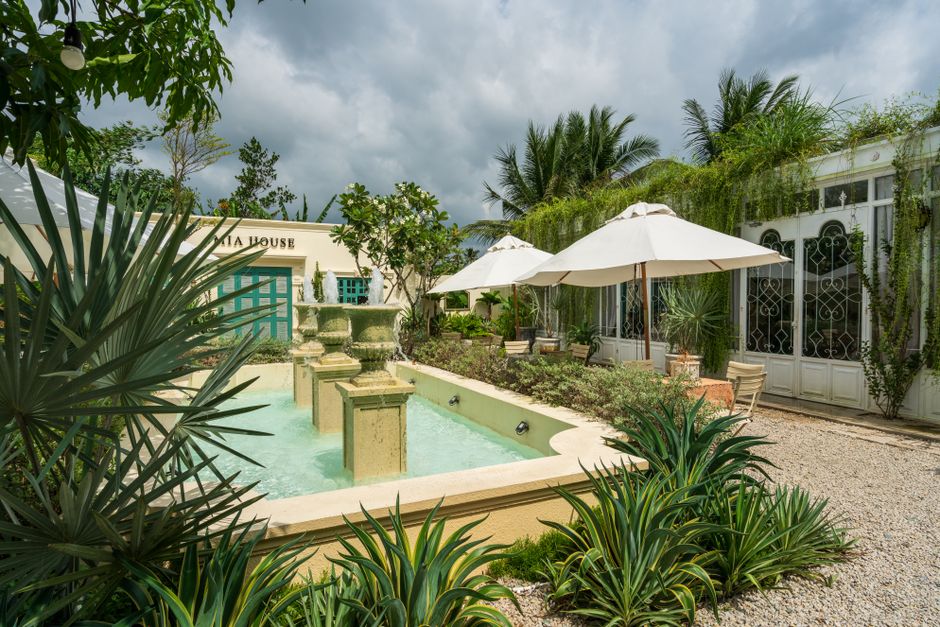
Lapa Rios sits on a private 1,000-acre rainforest reserve on the Osa Peninsula. It’s been running since 1993. They’ve had CST Level 5 since 2005, before most hotels knew what sustainability meant.
Their system: 100% solar with battery backup. Rainwater collection for all showers and sinks. Greywater filtered through constructed wetlands planted with heliconia and ginger. Black water goes to a biogas digester that produces cooking gas for the kitchen. I watched their maintenance manager open the digester hatch. It works.
What you actually get: 16 bungalows with open-air walls, no AC in the main restaurant (it’s not needed), and a guided night hike that’s included in the rate. The food is 85% from their own farm or neighboring fincas. The coffee is roasted 12km away.
Downside: the road to get there is unpaved for the last 18km. You will need a 4×4. They offer transfers for $90 per person each way. Budget that in.
2026 rates start at $520/night for a standard bungalow in May (green season). December through April hits $950+. Three-night minimum on weekends.
Nayara Tented Camp ($680–$1,400/night) — Luxury With a Real Carbon Offset Program
Nayara sits near Arenal Volcano. It’s expensive. But their carbon offset program is the most transparent I’ve seen in Costa Rica. They publish their annual carbon audit online — Scope 1, 2, and 3 emissions. They purchase verified carbon credits from a reforestation project in the Nicoya Peninsula. They also plant 5 trees per guest night on their own 30-acre reforestation plot.
I counted. The trees are alive. They tag each one with the guest’s name and species.
The tents: 30 safari-style canvas suites with hardwood floors, plunge pools heated by solar thermal panels, and AC that runs on grid power backed by batteries. The restaurant sources 70% of ingredients from within 30km. The beef comes from a ranch 15km away that uses rotational grazing.
What I didn’t like: the $140/night resort fee. It includes a guided nature walk and bike rental, but it’s non-negotiable. Budget it in.
2026 rates: $680/night for a garden tent in low season (May–November). High season (December–April) hits $1,400. Breakfast included. They offer a 15% discount for bookings made 60+ days out.
Three Hotels Under $250 That Don’t Cut Corners
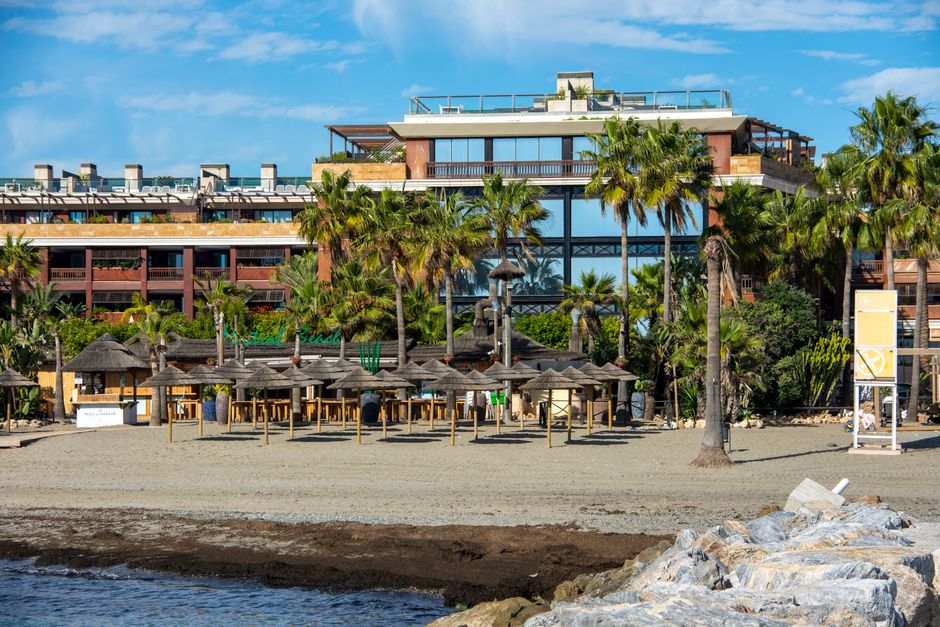
You don’t need to spend $1,000 a night for real sustainability. These three properties run genuine systems at reasonable prices.
| Hotel | Location | 2026 Rate (low/high) | CST Level | Key Eco Feature |
|---|---|---|---|---|
| El Silencio Lodge & Spa | Bajos del Toro | $180 / $290 | 4 | On-site hydroelectric generator, 100% organic farm |
| Tree House Lodge | Cahuita | $120 / $200 | 3 | Rainwater-only system, composting toilets, solar |
| Finca Rosa Blanca | Heredia (coffee region) | $210 / $340 | 5 | Biogas from coffee pulp, zero waste to landfill since 2018 |
El Silencio Lodge runs a micro-hydro turbine from a creek on the property. It generates 110% of their electricity. They sell the excess back to the grid. The restaurant grows 60% of its produce on-site. The rest comes from within 20km. The rooms have no TVs. You’re meant to look at the cloud forest. It works.
Tree House Lodge is the budget option that actually works. It’s 10 bungalows built around — and sometimes inside — ancient trees. No pool. No AC in the standard rooms. The composting toilets use sawdust and the output goes to their own fruit trees. The owners live on-site. They’ll show you the system if you ask.
Finca Rosa Blanca is a coffee plantation hotel with CST Level 5. They process their own coffee and use the pulp as biofuel. They’ve sent zero waste to landfill since 2018. Everything gets composted, recycled, or burned for energy. The rooms are quirky — think Gaudí meets jungle — but the sustainability systems are industrial-grade.
Pacuare Lodge ($350–$600/night) — The River Access That Changes Everything
Pacuare Lodge is only accessible by raft or horseback. No road. That means everything — food, linens, wine bottles — comes down the Pacuare River. They use electric boats for guest transport. The lodge runs on micro-hydro from the river itself.
They have a 5-acre organic farm that supplies 70% of the kitchen. The rest comes from indigenous Bribri communities upriver. The lodge pays above-market rates for their cacao and plantains. I checked with the community leader. It’s true.
The rooms: 20 suites with open-air bathrooms, solar-heated showers, and mosquito nets instead of screened windows. The river noise is loud enough to cover most sounds. You’ll sleep well.
One catch: the raft-in experience costs $120 per person extra. The horseback option is $90. Book the raft. It’s part of the experience.
2026 rates: $350/night in green season (May–November), $600 in high season. Three-night minimum. All meals included. They offer a 10% discount for cash payments.
Common Mistakes People Make When Booking Eco-Hotels in Costa Rica
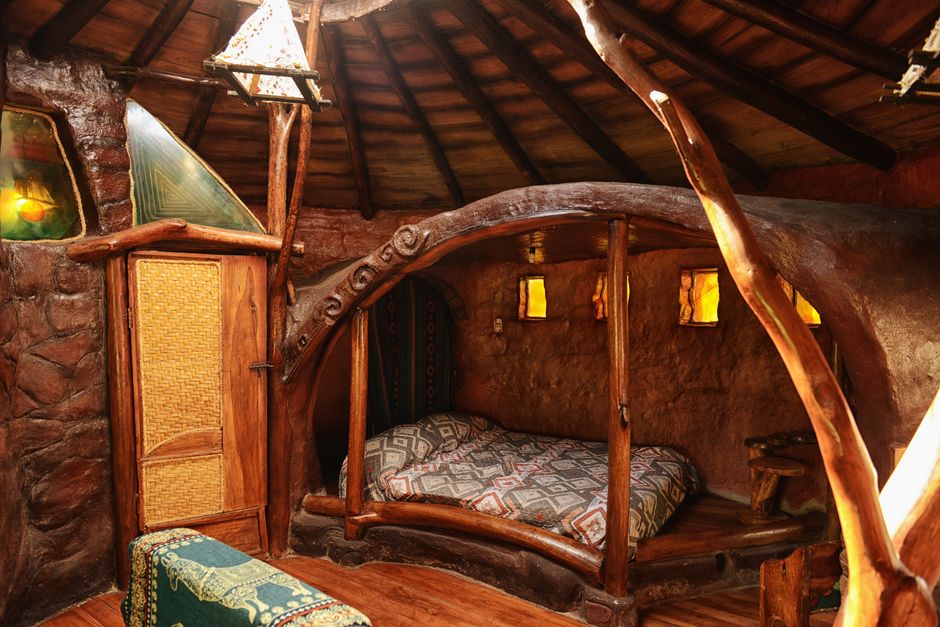
After visiting 14 properties and talking to dozens of travelers, these are the three mistakes I see most often.
Mistake 1: Trusting the word “eco” without checking the CST rating. I found three hotels in Manuel Antonio with “eco” in their name that had CST Level 1. That means they recycle. That’s it. Check the CST database before booking. Level 3 or higher is the minimum for real sustainability.
Mistake 2: Assuming “off-grid” means no AC. Many off-grid properties run AC on solar or generator power. Lapa Rios and Nayara both have AC in their premium suites. El Silencio doesn’t. Tree House Lodge doesn’t. Read the fine print on the hotel website or call them. Don’t assume.
Mistake 3: Ignoring the access cost. That $180/night room at El Silencio requires a 4×4 and 90 minutes on a gravel road. Pacuare requires a raft ride. Lapa Rios requires a 4×4 and 18km of unpaved road. Factor transfer costs into your budget. They can add $100–$200 per person each way.
Casa Chameleon at Las Catalinas ($450–$850/night) — The One That Almost Makes the List
Casa Chameleon is a 21-suite adults-only property on the Guanacaste coast. Their sustainability program is solid but incomplete. They have solar panels covering 60% of energy needs. They use desalinated water from the Pacific. They compost kitchen waste. They have CST Level 4.
But. They run AC in all rooms 24/7. The pool is heated with propane. The restaurant imports 40% of ingredients from San José because guests want specific wines and cheeses. The carbon footprint of that supply chain is real.
I’m including it because for a luxury property, they’re more transparent than most. They publish their energy and water consumption monthly on a board in the lobby. I checked three months of data. It’s consistent. They’re trying.
The verdict: If you want luxury with partial sustainability, Casa Chameleon works. If you want full eco, skip it. Go to Lapa Rios or Pacuare.
2026 rates: $450/night in green season, $850 in high season. Two-night minimum. Breakfast included. The $25/night sustainability fee is optional but they donate it to a local marine conservation group.
When NOT to Book an Eco-Hotel in Costa Rica
Eco-hotels are not for everyone. Here’s when you should book a conventional resort instead.
You want 24/7 AC in a beach room. Most eco-properties limit AC to certain hours or specific room types. If you need cold air all night, book a conventional hotel. The Marriott in San José has AC. The eco-hotels in the cloud forest don’t need it.
You have mobility issues. Eco-hotels are often on unpaved roads, with stairs, no elevators, and no room service. Lapa Rios has 78 steps from the restaurant to the lowest bungalow. Pacuare requires a river crossing. Tree House Lodge has no paved paths. These properties are not ADA-compliant. Call ahead if you need accessibility.
You want a pool. Many eco-hotels don’t have pools because of water usage. Lapa Rios has a small infinity pool that uses filtered rainwater. El Silencio has a thermal pool fed by a hot spring. Tree House Lodge has no pool. If a pool is non-negotiable, check the hotel’s website carefully.
You’re on a strict budget under $100/night. Real eco-certified hotels start around $120/night in low season. Below that, you’re getting a hostel with a recycling bin. That’s fine if you’re honest about what you’re getting. Just don’t call it eco-friendly.