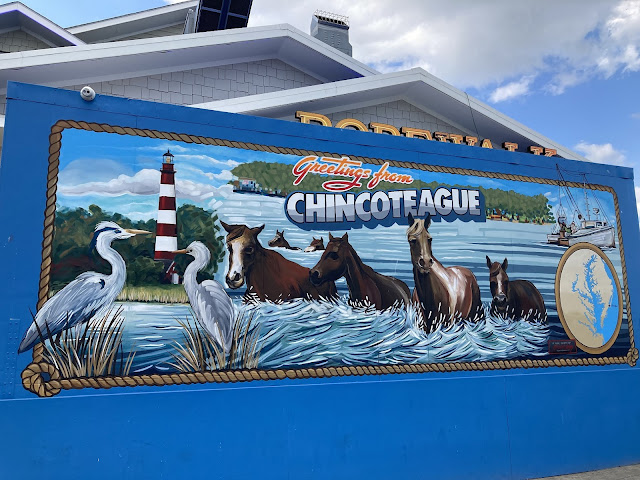
For visitors seeking an authentic coastal experience, Chincoteague Island National Seashore, located on the Virginia side of Assateague Island, stands out. It offers a unique blend of pristine beaches, diverse wildlife, and a relaxed atmosphere. While many are drawn by the famous wild ponies, the true value lies in its ecological richness and the opportunities for quiet exploration. Planning a trip here requires understanding its different facets, from specific wildlife viewing strategies to navigating seasonal changes.
The Best Time to Visit Chincoteague Island National Seashore is Not Always Obvious
Most people consider summer the default season for beach destinations. However, for Chincoteague Island National Seashore, I maintain that late spring (April-May) and early fall (September-October) offer a superior experience. These shoulder seasons provide milder weather, significantly fewer crowds, and prime conditions for wildlife observation without the intense heat and humidity of July and August.
Summer brings peak visitation, especially around the Pony Swim in July. This influx can lead to congestion on trails, crowded beaches, and higher prices for local accommodations. Parking lots, particularly at popular spots like Tom’s Cove Hook and the beach access points, fill quickly. While swimming in the Atlantic is a major draw during summer, the sheer volume of people can detract from the peaceful, natural immersion many seek. Bug activity, primarily mosquitoes and biting flies, also peaks in the warmer months, necessitating diligent use of repellents, especially around marshy areas and in the evenings.
Conversely, the shoulder seasons strike a balance. In spring, migratory birds return, and the island bursts with new growth. Temperatures typically range from the low 60s to high 70s Fahrenheit (15-25 Celsius), comfortable for walking, biking, and birdwatching. Fall offers similar mild conditions, often with fewer insects, and the changing marsh grasses create stunning landscapes. The water remains warm enough for swimming into early October, making it possible to enjoy both beach activities and quiet exploration. Off-season visits also mean easier access to the Assateague Lighthouse and shorter waits for Ranger programs.
Spring and Fall: Fewer Crowds, Better Wildlife
During April and May, you will find thousands of migratory birds, including various warblers, terns, and shorebirds, passing through or nesting. The famous wild ponies are often more active and visible along the roadside and in the marshes without the constant presence of human observers. These months also offer cooler mornings for cycling the Wildlife Loop, an approximately 3.2-mile paved trail that is otherwise exposed to intense sun.
Summer’s Trade-offs: Crowds vs. Convenience
July and August provide the warmest ocean temperatures, ideal for swimming and surfing. However, expect significant crowds. The Chincoteague National Wildlife Refuge, which es much of the National Seashore, charges a per-vehicle entrance fee ($10 as of 2024 for a 7-day pass, or $25 for an annual pass specific to Chincoteague) and these fees are consistent year-round. Even with the fee, parking lots often reach capacity by mid-morning, particularly on weekends. If a summer visit is your only option, arrive early, ideally before 9 AM, to secure parking and enjoy some tranquility before the crowds arrive. Prepare for sun exposure and abundant insect populations.
Exploring the Major Trails and Natural Habitats
Chincoteague Island National Seashore protects a diverse range of habitats, from maritime forest to salt marsh and dune systems, each supporting unique flora and fauna. The network of trails allows visitors to immerse themselves in these environments, but knowing which trails suit your interests and physical capabilities is key to a rewarding visit. Most trails are flat, making them accessible to a wide range of visitors, including those with strollers or wheelchairs on paved sections.
The **Wildlife Loop** is arguably the most popular trail, an old service road that circles impoundments where freshwater is managed for waterfowl. This 3.2-mile paved loop is open to walkers, bikers, and vehicles (during specific hours, typically after 3 PM or before 9 AM, check current regulations upon arrival). It provides excellent opportunities to spot a variety of birds, including herons, egrets, and raptors, as well as the wild ponies grazing in the distance. The loop can get crowded, especially during prime birdwatching times, but its paved surface makes it easy to navigate. Biking this loop is a popular choice, allowing for quicker traversal and multiple stops at observation points. Keep an eye out for sika deer, a small, introduced elk species, often seen at dawn or dusk.
Branching off the Wildlife Loop are several smaller, unpaved trails. The **Woodland Trail**, about 1.5 miles round trip, winds through the island’s maritime forest, offering shade and a different perspective. This trail is ideal for spotting songbirds and, occasionally, white-tailed deer. The forest canopy creates a cooler environment, a welcome respite on hot days. It is a soft sandy path in some areas, so appropriate footwear helps.
The **Marsh Trail**, also accessible from the Wildlife Loop, is a short, approximately 0.5-mile boardwalk that extends into the salt marsh. This trail is excellent for close-up views of marsh inhabitants, including fiddler crabs, various wading birds, and even diamondback terrapins. The boardwalk provides a stable, dry surface, making it easy for all ages. Early mornings here can be particularly rewarding for photography as the sun rises over the marsh.
For those interested in beach access beyond the main public beach, the **Swan Cove Trail** leads directly to the more secluded northern section of the beach. This trail is about 1.2 miles one way from the Wildlife Loop parking lot, mostly flat and unpaved. It offers a quieter beach experience, often with fewer people, making it ideal for shelling and uninterrupted strolls. Be aware that this section of the beach is not regularly lifeguarded and lacks facilities.
Finally, the **Lighthouse Trail** leads to the historic Assateague Lighthouse. This short, approximately 0.25-mile, unpaved path is relatively steep in places. The lighthouse itself is often open for climbing on specific days and hours, typically weekends in spring and fall, offering panoramic views of the island, the Atlantic Ocean, and the surrounding bays. Check the Chincoteague National Wildlife Refuge visitor center for current operating hours for lighthouse climbs.
When venturing onto any of these trails, carry water, wear sturdy shoes, and apply insect repellent, especially in the warmer months. Always stay on marked trails to protect the delicate ecosystems and your own safety. The varying lengths and surfaces of these trails allow visitors to tailor their exploration, ensuring a unique and engaging experience for different interests and energy levels.
Seasonal Wildlife Viewing Opportunities
The wildlife at Chincoteague Island National Seashore changes dramatically with the seasons, offering distinct viewing experiences throughout the year. Understanding these shifts helps optimize your visit for specific interests, whether it’s bird migration or pony spotting.
| Season | Primary Wildlife Focus | Common Sightings | Best Viewing Locations |
|---|---|---|---|
| Spring (March-May) | Bird Migration & Nesting, Pony Foals | Warblers, shorebirds (piping plovers, oystercatchers), egrets, herons, waterfowl, active wild ponies with new foals. | Wildlife Loop, Marsh Trail, Woodland Trail, Tom’s Cove Hook. |
| Summer (June-August) | Wild Ponies, Beach Birds, Marine Life | Wild ponies (often seeking shade), various gulls, terns, pelicans, dolphins offshore, fiddler crabs. | Roadside near marsh, beach, Marsh Trail, boat tours for offshore viewing. |
| Fall (September-November) | Fall Bird Migration, Pony Activity, Sika Deer | Raptors (osprey, peregrine falcons), waterfowl (ducks, geese), shorebirds, active ponies, sika deer. | Wildlife Loop, Woodland Trail, anywhere around marshes. |
| Winter (December-February) | Waterfowl, Raptors, Solitude | Snow geese, tundra swans, various duck species, bald eagles, northern harriers. Ponies still visible, but less active. | Wildlife Loop, refuge impoundments, roadside marsh areas. |
Each season presents its own highlights. Spring and fall are exceptional for birdwatchers due to the major migratory flyways that pass over the island. During these periods, the Wildlife Loop can be particularly active with different species arriving daily. Winter offers a peaceful, stark beauty, with fewer visitors and large concentrations of overwintering waterfowl, including impressive flocks of snow geese. Even in summer, despite the heat, marine life like dolphins can be seen offshore, and the beach itself hosts numerous species of shorebirds and crustaceans. Regardless of the season, a pair of binoculars greatly enhances the wildlife viewing experience, allowing for detailed observations from a respectful distance.
The Pony Swim and its Real Impact
The annual Chincoteague Pony Swim, typically held on the last Wednesday of July, draws tens of thousands of spectators. This event, where the wild ponies are herded across the Assateague Channel, is a major cultural spectacle. However, its immense popularity transforms the island completely, making quiet enjoyment of the National Seashore nearly impossible for several days. Traffic bottlenecks, full parking lots, and crowded viewing areas are the norm. For those seeking solitude or a deeper connection with the natural environment, avoiding Pony Swim week is a critical consideration. The event itself lasts only a few hours, but the preparation and aftermath mean significant disruption to the park’s usual tranquility.
Essential Planning Questions for Your Trip
Visiting Chincoteague Island National Seashore involves more than just showing up. Answering key questions before you arrive can significantly enhance your experience and minimize unexpected challenges.
What are the entry fees and operating hours for the Refuge?
The Chincoteague National Wildlife Refuge, which es the National Seashore, charges an entrance fee per vehicle for a 7-day pass, typically $10 as of 2024. An annual pass for this specific refuge costs around $25. Pedestrians and cyclists pay a lower individual fee. The refuge generally opens from 5 AM to 10 PM during peak season (spring/summer) and from 6 AM to 8 PM during the off-season (fall/winter), though these hours can vary. Always check the official U.S. Fish & Wildlife Service website for the most current information before your visit, as regulations can change, especially regarding vehicle access to the Wildlife Loop.
Can I swim at the National Seashore, and are there lifeguards?
Yes, swimming is permitted at the designated public beach area on Assateague Island, accessible via the main road through the refuge. During the summer months, typically from Memorial Day to Labor Day, a section of the beach is staffed with lifeguards. Beyond the flagged lifeguard zone, swimming is at your own risk. Always be aware of rip currents and ocean conditions. The water temperature varies significantly by season, from quite chilly in spring to warm in late summer and early fall.
Are dogs allowed on the trails and beaches?
Dogs are permitted in certain areas of the Chincoteague National Wildlife Refuge, but there are strict rules to protect wildlife and ensure visitor safety. Generally, leashed dogs are allowed on the paved Wildlife Loop and on the road shoulders. However, dogs are NOT allowed on the unpaved nature trails (like Woodland, Marsh, Swan Cove), in the wild pony area, or on the lifeguarded public beach. There is a designated “oversand vehicle” (OSV) zone beach where leashed dogs are allowed, but this requires a special permit and a 4×4 vehicle. Always clean up after your pet and ensure they do not disturb wildlife. Service animals are exempt from these restrictions.
What facilities are available at the Refuge?
The Chincoteague National Wildlife Refuge offers several facilities for visitors. The Herbert H. Bateman Educational & Administrative Center serves as the main visitor center, providing maps, information, and educational exhibits. Restrooms are available at the visitor center, the beach parking lot, and along the Wildlife Loop. There are picnic areas, observation decks, and designated parking lots at various points of interest. Fresh water is available at some locations. Note that food concessions are generally limited to the public beach area during peak season, so packing your own snacks and drinks is always a good idea.
What should I pack for a day trip to the National Seashore?
Essential items include plenty of water, especially during warmer months. Sun protection is crucial: hats, sunglasses, and sunscreen. Comfortable walking shoes are a must for exploring trails. If you plan to birdwatch or observe ponies, binoculars are highly recommended. Insect repellent, particularly for mosquitoes and biting flies, is indispensable from late spring through fall. A camera, a small first-aid kit, and a reusable bag for any trash are also practical additions. Layers of clothing are wise, as coastal weather can change quickly.