Travel Safety Mistakes Most Tourists Learn the Hard Way
Petty theft, scams, and digital fraud cost travelers billions every year — and most of it is preventable. The gap between safe travelers and victimized ones isn’t luck. It’s a handful of specific habits that the average tourist never thinks to build until something goes wrong.
The Safety Gear That’s Actually Worth Packing
Most travel safety product guides recommend everything. This one doesn’t. Here’s what genuinely reduces risk, compared honestly — with the cases where you can skip it.
| Item | Best Option | Price | Actual Benefit | Skip If |
|---|---|---|---|---|
| Anti-theft bag | Pacsafe Vibe 25L | $120 | Cut-resistant eXomesh straps, lockable zippers, hidden pockets | Only visiting low-risk destinations |
| Money belt | Pacsafe Coversafe X100 | $30 | Wears under clothes, RFID-blocking, holds cards and cash flat | Almost never — this is almost always worth it |
| RFID-blocking wallet | Buffway Slim Minimalist Wallet | $12 | Blocks NFC and RFID scanning on contactless cards | You already use a money belt |
| Portable door alarm | Lewis N. Clark Door Stop Alarm | $8 | 120dB alarm plus physical wedge — no installation required | Staying exclusively at well-reviewed chain hotels |
| Cable lock | Pacsafe Retractasafe 250 | $20 | 1.5m steel cable, 4-dial lock, secures bag to fixed objects | No overnight trains, no hostels, no shared transport |
| VPN | NordVPN or ExpressVPN | $3–$5/mo | Encrypts all traffic on public WiFi before it hits the network | You never connect to hotel or airport networks |
Anti-Theft Bags — Is the Premium Actually Justified?
The Pacsafe Vibe 25L costs $120 and uses stainless steel wire mesh sewn into the fabric that resists slashing. The zippers lock, and the straps are designed to resist bag-snatching in crowds. Against casual opportunist theft — which makes up the vast majority of tourist crime worldwide — it works.
Against a determined thief with bolt cutters? Nothing works. The bag isn’t a vault. It makes you a less convenient target, and most thieves aren’t persistent — they’re opportunistic. That’s enough.
The One Item Most Travelers Leave at Home
The Lewis N. Clark Door Stop Alarm costs $8. Wedge it under your hotel door at night and it both physically blocks the door from swinging open and triggers a 120dB alarm if someone forces it. Budget guesthouses, older properties, and any accommodation where you’re uncertain about key control — this is where it matters. Most people who pack one never need to use it. The ones who do are very glad they did.
Travel Insurance: Stop Debating It
SafetyWing Nomad Insurance runs about $1.50/day for travelers under 39 and covers emergency medical, evacuation, and trip interruption. World Nomads costs more — roughly $5–8/day depending on your home country and destination — but includes adventure sports and carries higher medical limits. Either one is the right answer. A single hospitalization abroad without insurance can hit $50,000 before evacuation costs are added, and that number is not hypothetical.
Digital Security — The Risk Most Travelers Never Think About
Physical theft is visible. You feel your pocket get lighter. Digital theft is silent. Your banking credentials get intercepted over hotel WiFi while you’re watching a show, and you find out three days later when a card declines at a restaurant.
This is no longer a rare threat. It’s routine in tourist-heavy destinations, and most travelers hand over everything attackers need without realizing it.
What Actually Happens When You Connect to Airport WiFi
When you connect to an unsecured or poorly secured network — hotel lobbies, airport lounges, café chains — your traffic can be intercepted by anyone on the same network using freely available tools. This is a man-in-the-middle attack, and it doesn’t require serious technical skill. Software like Wireshark is free, legal to own, and displays unencrypted traffic in plain text.
Encrypted HTTPS connections protect most browsing. But many apps still transmit data unencrypted, and session tokens stored in autofill can be exposed during interception. NordVPN at $3.99/month encrypts all outbound traffic before it touches the network, which closes this vulnerability entirely. Set it to auto-connect on unfamiliar networks before you leave home, not after you arrive at baggage claim.
Card Skimmers and Contactless Payment Risks
ATM skimmers are physical overlays placed on card readers that capture your card number and PIN. They’re most common on standalone street ATMs and convenience store machines rather than ATMs inside bank branches. The practical fix: use bank-branch ATMs during business hours when staff would notice tampering, cover the keypad every single time you enter your PIN, and use contactless tap-to-pay where possible — your card data is tokenized per transaction, so skimming the card itself yields nothing useful.
RFID skimming — someone scanning your contactless card through your wallet — is real but overstated by the products designed to prevent it. Standard contactless cards transmit the card number and expiry but not the CVV2, which limits what an attacker can do with the data. That said, a Buffway RFID wallet or the Pacsafe Coversafe X100 eliminates even that partial risk for $12–30. At that price, it’s not worth arguing about.
Phone Theft Is an Identity Problem, Not a Hardware Problem
Losing a phone is annoying. Losing a phone with no PIN — or a predictable 6-digit PIN — is a financial emergency. Your email app, authenticator app, and banking app are all accessible the moment someone has physical access to an unlocked device.
Before any international trip: set a strong alphanumeric PIN rather than a 6-digit code, enable remote wipe through Find My on iOS or Find My Device on Android, and log out of banking apps you won’t need daily. Store backup authentication codes in a password manager like Bitwarden or 1Password — not in SMS. If your phone number gets ported by an attacker (a real and increasingly common attack), SMS-based two-factor authentication hands them access to everything linked to that number.
What to Do Before You Leave — 7 Steps That Take Under 2 Hours

Most travel safety failures are set up at home, not at the destination. These steps cost less time than packing your luggage and matter more than most of what goes in the bag.
Documents and Digital Backups
- Photograph your passport, visa, travel insurance card, and both sides of every card you’re bringing. Store these in a private cloud folder — not a shared family album. Email a copy to yourself as a secondary backup.
- Write down your bank’s international collect-call number, not just the 1-800 number that won’t connect abroad. Keep it in your email drafts and on a physical notecard tucked in your luggage.
- Leave a physical copy of your passport photo page with someone at home you can reach in an emergency.
Accounts and Cards
- Notify your bank of your travel dates and destination before you go. Some banks handle this through an app; others need a call. Skip this and expect a fraud-triggered card lock at the worst possible moment.
- Set up transaction alerts on every card you’re bringing, down to a $1 minimum threshold. This catches fraud within minutes of the first unauthorized charge.
- Enable two-factor authentication on email, banking, and social accounts using an authenticator app — Google Authenticator or Authy — rather than SMS. Do this before departure, not in a foreign hotel lobby.
- Check your destination’s entry requirements, local emergency numbers (not all countries use 911 or 112), and the nearest embassy address. The US State Department’s free STEP program takes five minutes to register and sends security alerts for your destination automatically.
Street Safety Questions Travelers Actually Search For
Is Using an ATM Abroad Actually Safe?
Bank-branch ATMs during business hours: yes, relatively safe. Standalone street-facing machines, especially at night: higher risk. The specific threats are physical skimmers, shoulder surfing for your PIN, and distraction theft after you’ve withdrawn cash and are counting it in public. Cover the keypad on every transaction, every time, without exception. Withdraw larger amounts less frequently — each ATM visit is an exposure event.
Carry no more than one day’s expected spending in cash on your body. Leave the rest secured. The Pacsafe Retractasafe 250 cable locks your main bag to hotel furniture or an airport bench when you need to step away.
Should You Carry Your Passport or a Copy?
Carry a high-quality color photocopy of your passport’s photo page plus a phone photo. Most countries accept this for routine ID checks — bars, hotels, car hire desks. Keep your actual passport locked in the hotel safe or worn flat in your money belt, not stuffed in a day bag that could be snatched. The exception is always border crossings and official government interactions, which require the real document.
What Do You Actually Do If You Get Robbed?
Don’t resist a mugging. Your phone and wallet are replaceable. Get to a safe, public location first. Then call your bank using the collect number you saved before departure, file a police report in the local jurisdiction — you’ll need this for insurance claims even if the police take no action — and contact your embassy if your passport was taken.
The police report is non-negotiable for travel insurance claims. Most policies require it within 24 hours. If you’re researching a destination in advance — especially choosing where to stay relative to tourist areas — advice from recent travelers on community planning forums often surfaces neighborhood-level safety context that published guides don’t cover.
How Tourists Lose Money in the First 48 Hours Abroad
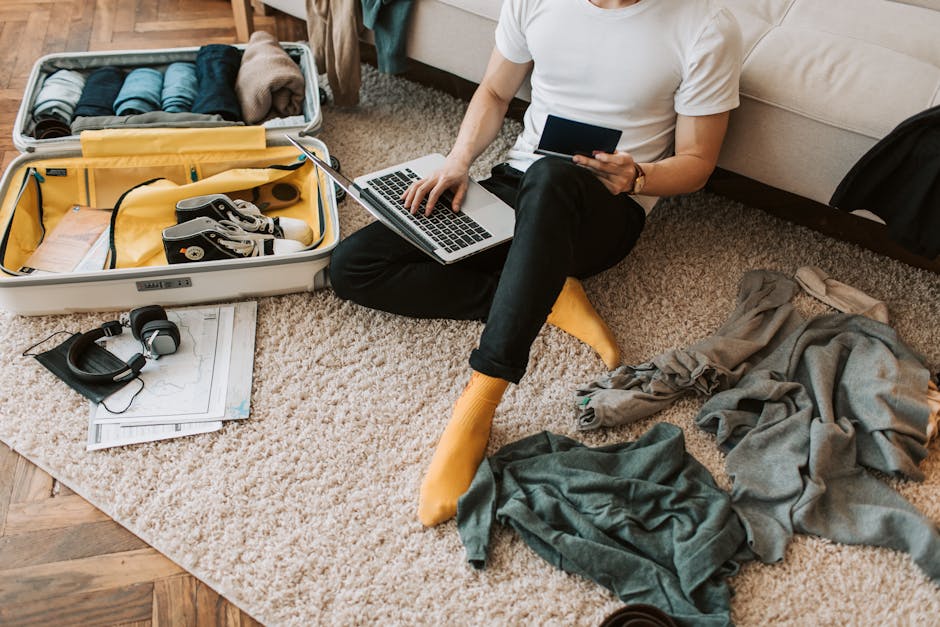
The biggest financial mistake travelers make is using their primary bank debit card as their main spending card. If it gets skimmed, locked by a fraud alert, or swallowed by a foreign ATM, you’re stranded until a replacement arrives by mail. The fix isn’t complicated — it’s just not what most people do before they travel.
Use a Dedicated Travel Card, Not Your Main Account
A Wise card (formerly TransferWise) gives you real mid-market exchange rates, low conversion fees, and a separate account number that has nothing to do with your primary bank. It freezes instantly from the app. Revolut offers similar features. Either one means a compromised travel card leaves your main account completely untouched. If you’re unsure how a dedicated travel card stacks up against your existing setup in terms of fees and benefits, the tradeoffs are laid out clearly in this comparison of travel cards versus standard credit cards.
The Split-Card Rule That Solves Most Emergencies
Bring at least two cards from two different networks — one Visa, one Mastercard. Store them separately. One card in your wallet for daily spending. One locked in your accommodation as a backup. Losing one card should be a Tuesday-level inconvenience, not a crisis.
For longer trips or destinations with unreliable ATM access, a third card as a pure emergency backup is worth considering. Charles Schwab’s debit card, for example, refunds all foreign ATM fees worldwide with no limit — a meaningful advantage in regions where local banking infrastructure is inconsistent. Travelers who plan most costs in advance through prepaid resort and accommodation deals naturally reduce their cash dependency, which lowers ATM exposure in the first place.
The travelers who handle incidents smoothly aren’t necessarily more experienced. They prepared before the problem existed — which is exactly the kind of shift that will define how travel safety evolves as digital threats outpace physical ones.