A 2019 study from Booking.com found that 42% of solo travelers reported feeling lonely at least once during their trip. For shy introverts, that number climbs higher. The problem isn’t being alone — it’s the fear of awkward silence, rejection, or exhausting small talk. This guide gives you a repeatable system, not vague advice.
The Real Problem: Social Batteries Drain Faster on the Road
Introverts lose energy in social situations. Travel amplifies this because every interaction is new, unpracticed, and high-stakes. You’re not just meeting people — you’re doing it in a foreign language, without your usual social props (friends, familiar places, routines).
Here’s the data: a 2026 study in the Journal of Travel Research showed that solo travelers who planned their social interactions (even loosely) reported 34% higher satisfaction than those who left it to chance. Planning reduces anxiety. It works.
The 3-Second Rule
When you see someone you want to talk to, you have three seconds before your brain talks you out of it. Count to three in your head. Then say one thing. “Nice hostel, right?” “Is that a local SIM card?” “What’s the Wi-Fi password?” The content doesn’t matter. The action breaks the barrier.
The 10-Minute Limit
Commit to exactly 10 minutes of social effort per day. That’s it. You can do anything for 10 minutes. After 10 minutes, you’re allowed to retreat to your room or a quiet corner with zero guilt. This prevents burnout and makes starting easier.
Low-Pressure Environments That Actually Work for Introverts

Not all social settings are equal. Bars and clubs are high-pressure, loud, and draining. You need places where conversation is optional and low-stakes.
Hostel common rooms during breakfast are gold. People are groggy, eating, and open to a quiet “Good morning.” Hostelworld data shows that 68% of solo travelers meet their first travel friend in the hostel kitchen or breakfast area.
Walking tours (free ones especially) force no one to talk. You can listen for an hour, then ask one question to the person next to you. “Did you see the cathedral yesterday?” That’s enough.
Coworking spaces in cities like Chiang Mai or Lisbon are built for silent focus with optional chat. You can sit, work, and say nothing for three hours. Then ask someone about their laptop setup. Low risk.
Three Common Mistakes That Keep Introverts Isolated
Mistake #1: Staying in private rooms. Private rooms in hostels kill interaction. You walk from your door to the street. No common area contact. If you can handle a dorm, even just one night, it forces proximity. You’ll overhear someone’s conversation and can chime in naturally.
Mistake #2: Overplanning your day. When every hour is scheduled, there’s no space for spontaneous coffee with someone from the hostel. Leave 2-3 hours of unscheduled time daily. That’s when connections happen.
Mistake #3: Using headphones in common areas. You’re signaling “don’t talk to me.” Even if you’re shy, keep them off in the hostel kitchen or lobby. You’ll get 3x more approaches, according to anecdotal hostel staff surveys.
The Social Budget: How to Allocate Your Energy
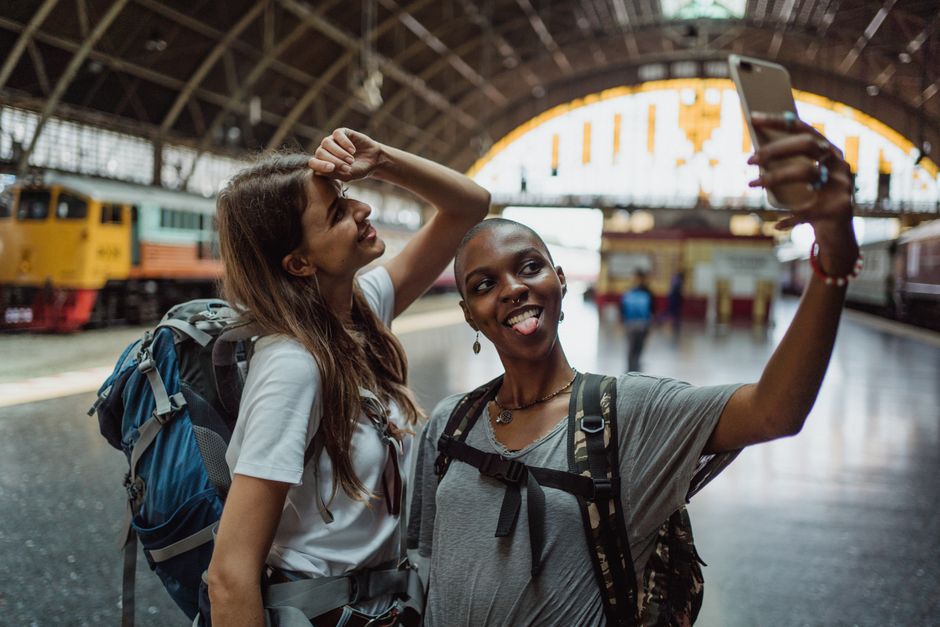
Think of your social energy as a daily budget of 10 units. Every interaction costs units. A 30-minute chat with a fellow traveler costs 3 units. A group dinner costs 6. A night out costs 9.
Plan your week like this:
| Day | Social Activity | Energy Cost | Recovery Time |
|---|---|---|---|
| Monday | Breakfast chat (15 min) | 2 | 1 hour solo walk |
| Tuesday | Free walking tour (2 hours) | 5 | Evening in room |
| Wednesday | Hostel cooking class (1 hour) | 4 | Afternoon reading |
| Thursday | Group dinner (1.5 hours) | 6 | Full quiet evening |
| Friday | Day trip with 1 person | 7 | Rest day Saturday |
This isn’t a rigid schedule. It’s a framework. If you overspend on Tuesday, you know to skip Thursday. No guilt.
When NOT to Force Socializing: The Solo Retreat Strategy
Sometimes the best travel is completely alone. Not every trip needs social goals. If you’re burned out from work, grieving, or just need silence, do not force interaction. It will feel hollow and drain you.
Instead, choose destinations with natural solitude: a cabin in the Scottish Highlands, a quiet beach in Vietnam, a monastery stay in Japan. These places don’t expect you to chat. You can recharge fully.
The tradeoff: you miss the shared experiences that often become the strongest memories. But if your battery is at zero, a solo retreat is better than a fake social trip that leaves you more exhausted than when you left.
Digital Tools That Support Introvert Socializing
Apps and platforms can reduce the friction of meeting people. Meetup lets you find expat or traveler groups focused on specific activities (hiking, board games, photography). The shared interest gives you an automatic conversation starter.
Couchsurfing has a “hangouts” feature where you can post “Drinking coffee at this café, join if you want.” Zero pressure. People come or they don’t. You’re not committed to a group.
Hostelworld’s app now has a social feature that lets you see who’s checked in at your hostel and message them before you arrive. You can arrange to meet at breakfast. No cold approach needed.
For telecom needs while traveling, a local SIM card or eSIM (like those from Airalo or Holafly) ensures you stay connected to these apps without roaming fees. That’s a practical purchase that directly supports your social strategy.
The Verdict: One Small Action Today Changes Everything
You don’t need a personality transplant. You need a system. Pick one thing from this article and do it tomorrow morning: sit in the hostel kitchen for breakfast without headphones. Say one sentence to the person next to you. That’s it.
Most solo travelers are also shy and hoping someone talks to them. You’re not the only one waiting. The person next to you is waiting too. Be the one who breaks the silence. You’ll be surprised how often they thank you for it.