Most people don’t need a visa for Antigua. That’s the short answer. But I’ve seen travelers turned away at check-in because their passport had less than six months validity, and I’ve watched someone scramble at the airport to prove they had a return flight booked. The real rules are buried in government websites and travel forums. I’ve been through the process twice now — once for a two-week holiday and once helping a friend with a longer stay — and I’ll lay out exactly what you need, what you don’t, and where people mess up.
Who Actually Needs a Visa for Antigua and Barbuda?
This is the first thing to check. Antigua and Barbuda grants visa-free entry to citizens of roughly 100 countries, including the US, UK, Canada, most EU nations, Australia, New Zealand, Japan, South Korea, and many Caribbean and Commonwealth countries.
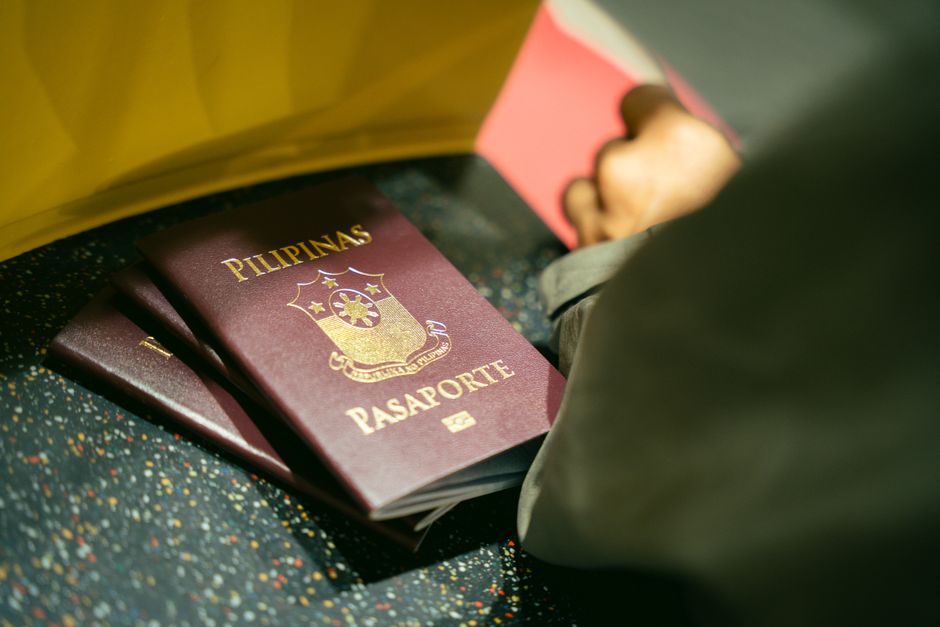
If you hold a passport from India, China, Nigeria, Pakistan, the Philippines, or most African and Middle Eastern nations, you need to apply for a visa before traveling. The full list changes occasionally — check the official Antigua and Barbuda immigration website or your local embassy. I recommend doing this three months before you travel, not one week before like I did the first time.
What About Permanent Residents?
If you’re a permanent resident of the US, UK, Canada, or Schengen area but not a citizen, you still need to check your nationality. Permanent residency status doesn’t override visa requirements. I know a US green card holder from Pakistan who nearly missed his flight because he assumed his green card meant visa-free entry. It doesn’t work that way.
Transit Passengers
If you’re just changing planes in Antigua and not leaving the airport transit area, you generally don’t need a visa. But if you have to clear immigration to switch terminals or if your layover is overnight, you do. Check with your airline before booking.
Documents You Must Have at Immigration (Even If Visa-Free)
I’ll be blunt: Antigua immigration officers are thorough. They’ve seen every excuse. Here’s what they will ask for:
- Passport valid for at least six months from your date of entry. I’ve seen them count the months on their fingers. Don’t risk it.
- Return or onward ticket. They want proof you’re leaving. A one-way ticket without a visa or residence permit will get you denied boarding.
- Proof of accommodation. Hotel booking confirmation, Airbnb reservation, or a letter from a host if staying with friends.
- Sufficient funds. They may ask how you’ll support yourself. A credit card and a few hundred dollars cash usually satisfies them. I always carry $200-300 in USD as a buffer.
I’ve never been asked for proof of funds personally, but I’ve seen others questioned. Be ready.
How to Apply for an Antigua Visa (If You Need One)
If your nationality requires a visa, the process is straightforward but slow. Start at least 8-12 weeks before your trip.
You apply through the Antigua and Barbuda Immigration Department or a designated embassy. The application is online through their official portal. You’ll need:
- Completed application form
- Passport photo
- Copy of your passport bio page
- Flight itinerary
- Hotel bookings
- Bank statements (last 3-6 months)
- Employment letter or proof of ties to your home country
- Visa fee — around $50-100 USD depending on your nationality and visa type
The processing time is 2-4 weeks. I’ve heard of people getting it in 10 days, but don’t count on it. Apply early, and keep copies of everything.
Visa on Arrival
Antigua does not offer visa on arrival for most nationalities. Do not show up at the airport expecting to sort it out there. You’ll be sent back on the next flight at your own expense.
Common Mistakes That Get People Denied Entry

I’ve seen these mistakes repeatedly in travel forums and at the airport:
1. Passport expiring in less than six months. This is the number one reason people are denied boarding. Even if your passport is valid for your trip dates, the airline may refuse to let you fly if it expires within six months. Check your passport now. If it’s close, renew it.
2. Not having a return ticket. Some travelers buy one-way tickets thinking they’ll decide later. Without a visa or residency, immigration will assume you plan to overstay. Book a refundable return ticket if you’re unsure of your plans.
3. Overstaying the 30-day visa-free period. Tourists get 30 days on arrival. If you stay longer without requesting an extension, you’ll face fines and potential entry bans. Extensions are possible but require a visit to the Immigration Department in St. John’s and a fee.
4. Assuming a visa waiver applies. Just because you traveled visa-free to another Caribbean country doesn’t mean Antigua has the same policy. Check each country separately.
Extending Your Stay or Staying Longer
If you want to stay more than 30 days, you have two options:
Option 1: Apply for an extension before your 30 days expire. Visit the Immigration Department in St. John’s with your passport, a completed extension form, proof of accommodation, and proof of funds. The fee is around $100-150 USD. They usually grant 30 more days, sometimes up to 90.
Option 2: Apply for a longer-term visa or residency. If you’re planning to work remotely, retire, or invest, Antigua offers the Nomad Digital Residence (NDR) program for remote workers. It’s valid for two years and costs $1,500 for individuals or $3,000 for families. You need proof of remote employment and income of at least $50,000 per year. I know a few digital nomads who’ve done this and say it’s straightforward.
For retirees or investors, the Antigua and Barbuda Citizenship by Investment Program starts at a $100,000 donation to the National Development Fund. That’s a different league entirely.
What Happens at the Airport? A Real Walkthrough
Here’s exactly what to expect when you land at V.C. Bird International Airport in Antigua:
You’ll deplane and walk to the immigration hall. There are separate lines for citizens/residents and visitors. The visitor line moves reasonably fast — usually 15-30 minutes. Have your passport, boarding pass, and completed immigration card ready. They hand out the card on the plane. Fill it out before you land.
The officer will ask your purpose of visit, where you’re staying, and how long you plan to stay. Answer clearly and honestly. They may ask for proof of accommodation or return ticket. I’ve been asked both times. I just showed my phone with the booking confirmation and my return flight confirmation email.
After they stamp your passport, you collect your luggage and pass through customs. Customs is usually a green channel — you walk through unless you have something to declare. Keep receipts for any expensive electronics or jewelry you bring in, just in case they ask.
One tip: don’t bring fresh fruits, vegetables, meat, or seeds. Agricultural restrictions are strict, and fines are heavy. I saw someone’s mangoes confiscated and thrown in the trash. Not worth it.
Visa-Free Countries List (Most Common)
Here’s a table of the most common nationalities that do not need a visa for Antigua and Barbuda for tourist stays up to 30 days. If your country isn’t listed, check the official list.
| Region | Countries |
|---|---|
| North America | United States, Canada, Mexico |
| Europe | United Kingdom, Ireland, all EU Schengen countries, Switzerland, Norway, Iceland, Liechtenstein |
| Oceania | Australia, New Zealand |
| Asia | Japan, South Korea, Singapore, Malaysia, Israel |
| Caribbean | All CARICOM member states (Barbados, Jamaica, Trinidad & Tobago, Bahamas, etc.) |
| South America | Brazil, Argentina, Chile, Uruguay, Peru, Colombia |
This isn’t the full list. If you hold a passport from a country not listed, you likely need a visa. Always double-check with the Antigua and Barbuda Immigration Department or your airline before booking.