Most people think Slovenia is just Lake Bled and a quick stop in Ljubljana. They’re wrong. That’s like saying Italy is just the Leaning Tower of Pisa. Slovenia packs the Alps, the Adriatic, and medieval towns into an area smaller than New Jersey. But the real magic? It’s the places the tour buses skip.
This 7-day road trip itinerary focuses on those hidden gems. You’ll see Lake Bled (you have to), but you’ll also hike to a shepherd’s settlement at 1,500m, swim in emerald rivers where the water is 8°C, and eat wild mushroom soup in a castle that looks like a bad dream. No crowds. No overpriced parking. Just Slovenia done right.
One rule: rent a car. Public transport won’t get you to half these spots. I drove a Renault Clio diesel (about €35/day) and it handled everything except one gravel road to a waterfall. Bring cash — many rural mountain huts don’t take cards.
Day 1–2: Ljubljana — The Capital You Actually Want to Walk In
Ljubljana is small. You can walk the entire old town in 90 minutes. That’s the point. No metro, no traffic jams, no chain stores. The riverbanks are filled with outdoor cafes where locals drink kava and read books. It feels like a university town that accidentally became a capital.
Skip the castle. The view from the tower is decent, but the entry fee (€15) isn’t worth it. Instead, walk up the hill behind the National Gallery for a free view of the city and the Alps on clear days.
Where to eat and what to order
Go to Gostilna Sokol (Ciril-Metodov trg 18). Order the jota — a thick bean and sauerkraut stew with pork. Costs €7.50. It’s the kind of food that makes you want to stay in Slovenia forever. For dessert, find Vigò ice cream on Stari trg. The pistachio flavor has actual pistachio chunks, not green paste.
Where to stay
Skip hotels near the triple bridge. They’re loud and overpriced. Stay in Trnovo district — a 10-minute walk south of the center. Apartments here cost €60-80/night. I booked a studio on Booking.com for €68/night that had a washing machine. That’s a for a week-long trip.
Day 3: Velika Planina — The Real Alpine Village (Not a Tourist Trap)
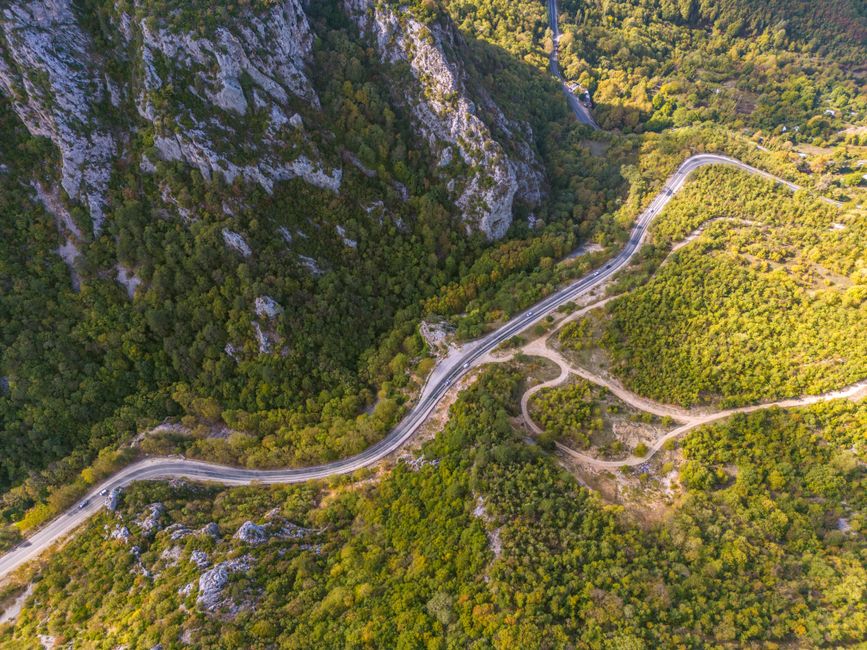
Velika Planina is a high-altitude pasture at 1,500m with traditional wooden huts. Shepherds still live here in summer, making cheese and selling it directly from their huts. It’s not a museum. It’s a working alpine settlement. Most tourists skip it because it’s 40 minutes from Ljubljana and requires a cable car.
Take the cable car from Kamnik (€16 round trip). The ride takes 8 minutes and gives you views of the Kamnik-Savinja Alps that are better than anything at Lake Bled. Once at the top, walk the 2km loop trail past the huts. Stop at Hut Zeleni Rob for štruklji — rolled dough filled with cottage cheese and tarragon. Costs €5. It’s the best meal you’ll eat on this trip.
Failure mode to avoid: Don’t go on a Monday. The cable car is closed for maintenance. Check the schedule at velikaplanina.si. Also, bring a jacket. Even in July, the temperature can drop to 12°C with wind.
Day 4–5: Soča Valley — Where the Water Is So Blue It Looks Fake
The Soča River is the color of a melted glacier. It’s not a filter. The water is that blue because of limestone particles reflecting sunlight. You can’t swim in most sections — the current is too strong and the water is 8-10°C even in August. But you can kayak, raft, or just walk the trails along the gorge.
Do this instead of Bled: Most people spend two days at Lake Bled. Spend one. Then drive 90 minutes west to the Soča Valley. The highlights are Virje Waterfall (free, 5-minute walk from parking) and the Great Soča Gorge (€5 entry, 2km of wooden walkways over the river).
The hidden spot: Slap Kozjak
This waterfall is a 20-minute walk from the village of Kobarid. The path goes through a forest and ends at a cave-like gorge. The waterfall drops 15m into a pool that’s deep enough to swim in — if you’re brave enough. The water is 9°C. I lasted 30 seconds. Worth it for the photo.
Stay in Kobarid at Hiša Polonček (€80/night, includes breakfast). The owner, Marko, is a former chef who makes his own cheese and cured meats. Ask him for hiking recommendations. He knows every trail in the valley.
| Activity | Cost | Time Needed | Difficulty |
|---|---|---|---|
| Virje Waterfall | Free | 30 min | Easy |
| Great Soča Gorge | €5 | 1.5 hours | Easy |
| Slap Kozjak | Free | 1 hour | Moderate |
| Kayaking (guided) | €45 | 3 hours | Moderate |
Day 6: Predjama Castle and Postojna Cave — The Tourist Duo That’s Actually Worth It
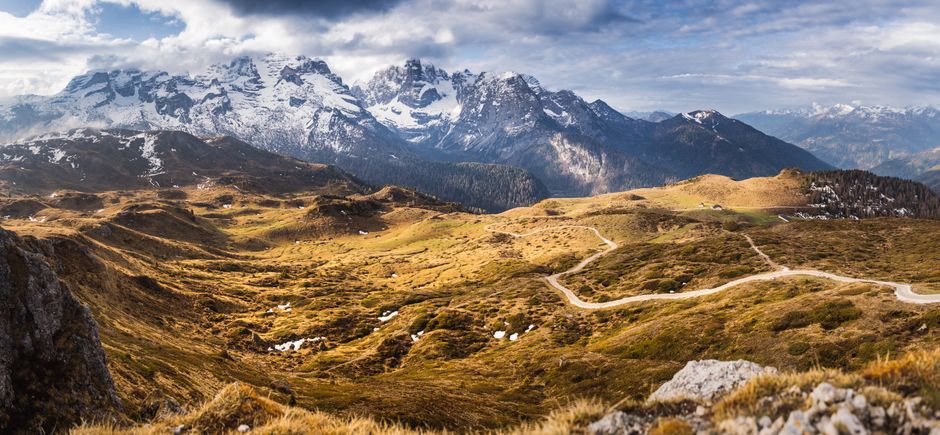
Predjama Castle is built into a cave mouth halfway up a 123m cliff. It looks like something from a fantasy novel. Postojna Cave is 24km of underground passages with an electric train that takes you 4km inside. Both are touristy. Both are worth the money.
Here’s the trick: Book the combo ticket online (€33 for both) and go at 8:30 AM. The first cave train leaves at 9:00. You’ll be in and out before the crowds arrive at 11:00. The cave temperature is 8°C. Bring a jacket. They rent them for €3, but they’re thin and smell like wet wool.
Skip the restaurant at Postojna. It’s overpriced and the food is reheated. Drive 10 minutes to Gostilna Mašun in the village of Postojna. Order the wild mushroom soup (€6) and the venison goulash (€12). The owner’s family has run the place since 1928.
Day 7: Lake Bled — The Obligatory Stop (With a Twist)
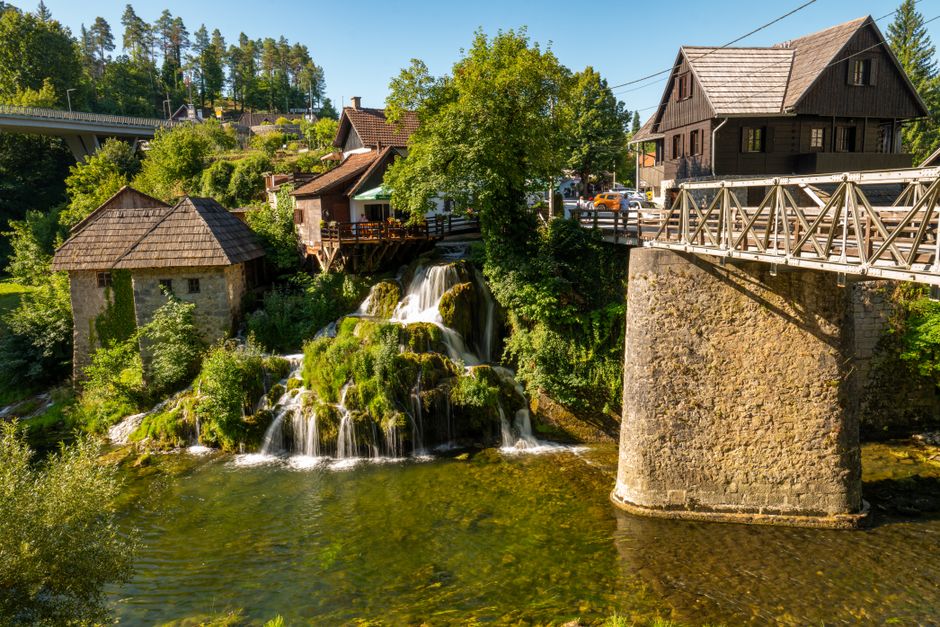
Lake Bled is beautiful. It’s also packed with selfie-stick-wielding tourists from 10 AM to 4 PM. The secret is to arrive at 7 AM, walk the 6km loop around the lake (takes 1.5 hours at a relaxed pace), and be done by 9 AM. The morning light hits the church on the island perfectly, and you’ll have the path mostly to yourself.
Skip the cream cake at Park Cafe. It’s famous. It’s also €6 for a slice of mediocre custard. Instead, buy a potica (rolled walnut cake) from Mlekarna Kralj bakery for €4. It’s better and you can eat it while walking.
The real hidden gem near Bled: Vintgar Gorge. It’s 4km north of the lake. A 1.6km wooden walkway follows the Radovna River through a canyon with waterfalls and pools. Entry is €10. Go at 8 AM before the tour buses arrive. The walk takes 45 minutes one way. At the end, there’s a bridge where you can jump into the river — if you’re not cold after the Soča, you will be here.
Most people leave Slovenia thinking they’ve seen it. They haven’t. They saw the brochure. This itinerary shows you the real country — the one where shepherds still make cheese on a mountain, where rivers are too cold for comfort but too beautiful to ignore, and where a week feels like a month because every day is completely different. That’s Slovenia. Not the postcard. The place.