A useful travel routine is not your home program squeezed into a suitcase. It is a lighter system built around unfamiliar gyms, limited space, and the energy you actually have after a day in transit.
Training on a trip sounds straightforward until the first real travel day. A delayed flight becomes a late meal, the hotel gym closes earlier than expected, and the local martial arts school requires a class booking that was never made. The problem is not discipline. The problem is trying to run a normal training week inside a schedule that is anything but normal.
A better approach is to separate the habit from the exact workout. The habit is showing up, moving with intention, and returning home without feeling as though the entire week disappeared. The workout can change. Some days that means a proper class. On others, it means footwork in a quiet corner, mobility beside the bed, or twenty focused minutes with no equipment at all.
Century Martial Arts carries the categories that commonly appear in an MMA kit: gloves, hand wraps, rash guards, coach equipment, bags, and mats. That does not mean all of it belongs in carry-on luggage. It means a traveler can use the same equipment map to decide what travels, what gets borrowed, and what should stay home.
Build the trip around training opportunities, not promises
Before packing gear, mark the days that can honestly hold a session. Arrival and departure days are usually poor candidates. A city-change day may offer a walk and a stretch, but not a hard class. The useful training windows are the quiet mornings, the afternoons after a short sightseeing plan, and the evenings when a nearby gym has a beginner-friendly or open-level session.
Search for gyms close to where you are sleeping, then check the timetable on the gym's own site or social account. Look for drop-in rules, required experience, rental equipment, uniform expectations, and whether advance registration is needed. A famous gym forty minutes away can be less useful than a friendly school ten minutes from the hotel. Travel time is part of the workout cost.
When you contact a gym, be direct: explain your experience, the date you hope to attend, and the equipment you will bring. That small message prevents the awkward moment of arriving for a class that is members-only or discovering that sparring gloves are required when you packed only compact bag gloves.
Pack a washable core instead of a miniature equipment room
For most trips, the useful core is simple: hand wraps, a mouthguard in a ventilated case, one or two quick-drying training tops, compact shorts, and a laundry bag that keeps damp fabric away from clean clothing. Gloves make sense when you know you will use them more than once or when the destination gym does not rent gear. Otherwise, they consume a surprising amount of luggage space for a single uncertain session.
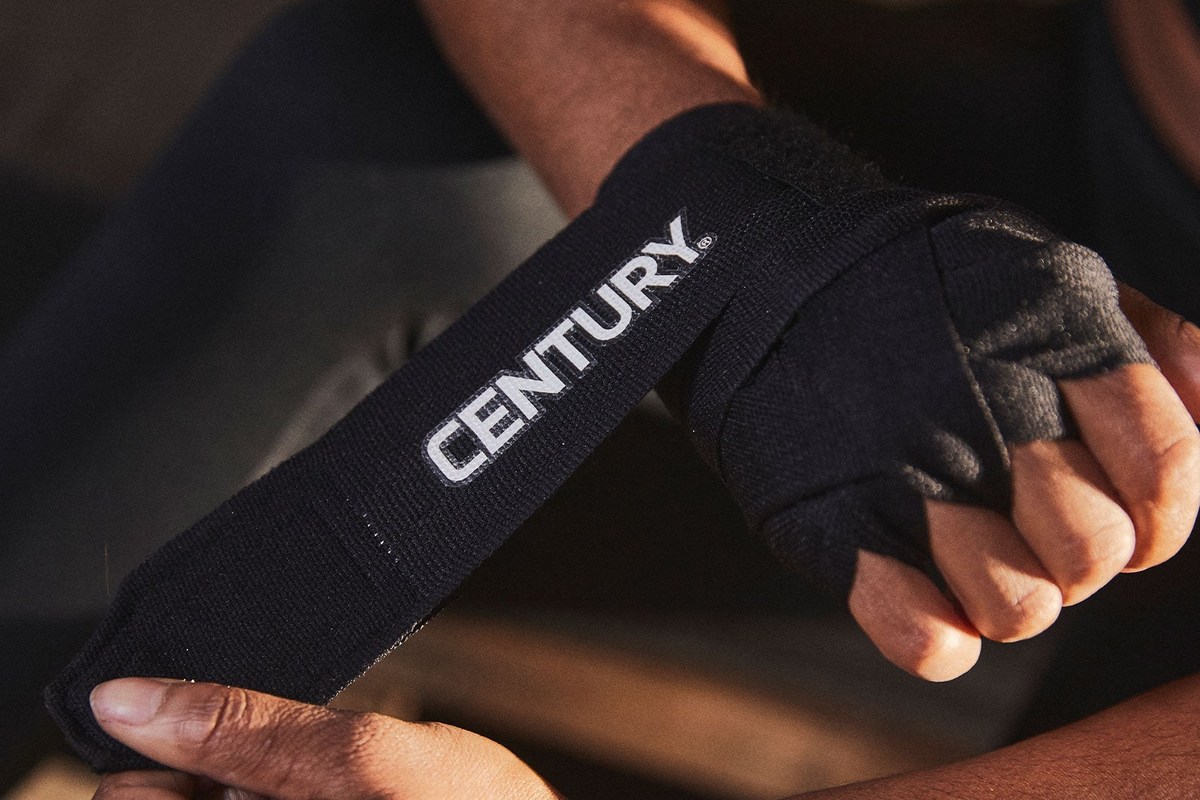
Hand wraps are unusually efficient travel equipment. They take little room, are personal rather than shared, and can be washed in a sink. Pack two pairs if you expect consecutive training days so one can dry while the other is used. A rash guard or fitted technical top also works beyond grappling: it can become a base layer for a cold walk, a hotel workout shirt, or a clean layer under borrowed protective equipment.
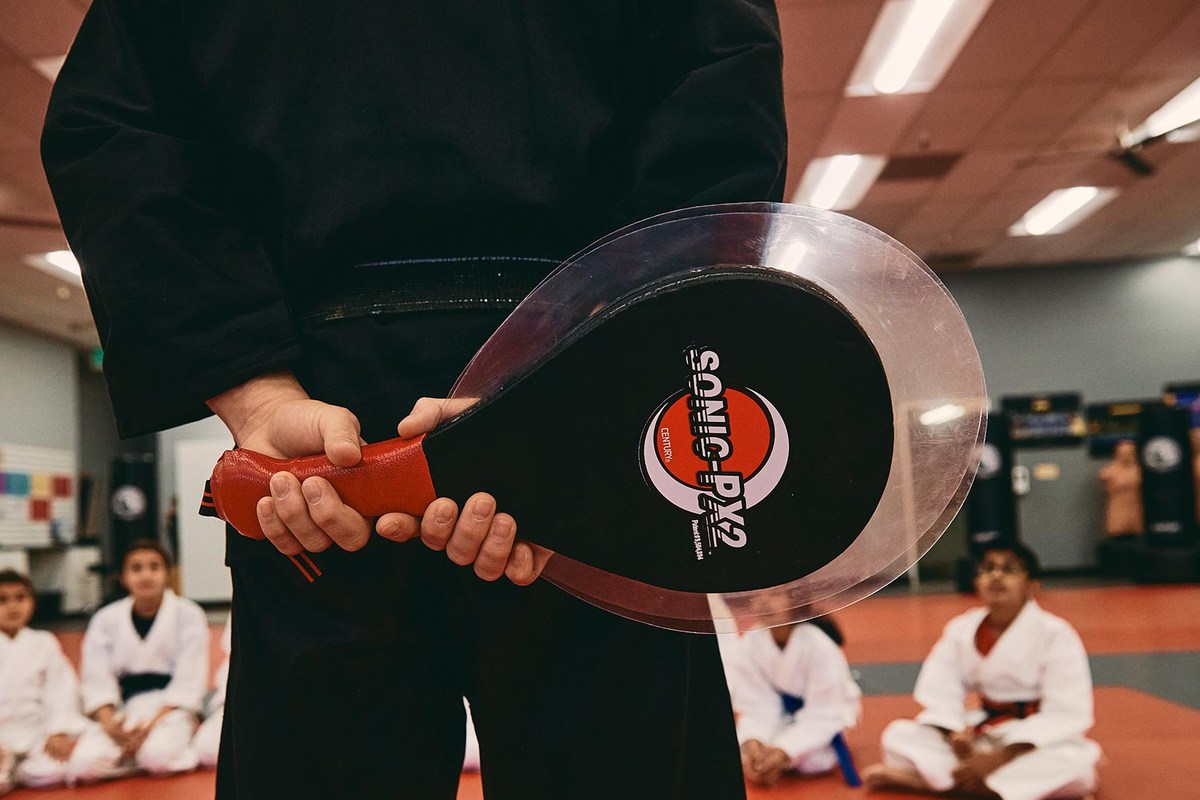
Do not pack coach mitts, shields, or a full striking setup unless the trip is specifically organized around training. Those tools are useful, but they assume a partner, a suitable space, and permission to make noise. Ask the host gym what is available. Borrowing the right tool is better than carrying the wrong one across three airports.
Use a three-level plan for uncertain days
A travel program works better when it has three versions. The full version is a local class or a planned session with proper equipment. The medium version is thirty to forty minutes of shadowboxing, movement drills, conditioning, and mobility. The minimum version is ten minutes: joint circles, hip work, stance transitions, controlled sprawls if the floor allows, and slow technical repetitions.
The minimum is not a punishment and it is not fake training. It is a bridge between disrupted days. It keeps the movement vocabulary familiar without demanding recovery that the trip cannot support. The next full session then feels like a continuation rather than a restart.
Avoid improvising impact work on hotel furniture, walls, or doors. Noise travels, surfaces move, and the room was not designed as a gym. If there is no safe target, stay with footwork, defense patterns, level changes, balance, and low-impact conditioning. Technique performed with control is more useful than an energetic session that damages the room or your hands.
Treat food, water, and sleep as part of the itinerary
Travel changes meals before it changes motivation. Breakfast may be later, familiar foods may be unavailable, and a long day of walking can quietly add more fatigue than expected. Do not chase a rigid fight-camp menu on an ordinary trip. Instead, make the next training session easier by eating regular meals, including a useful protein source, and carrying water when the day will be spent outdoors or in transit.
If a class starts soon after sightseeing, a smaller familiar snack is often more comfortable than a heavy restaurant meal. After training, choose food that fits the place you are visiting and gives you enough energy for the next day. The point is not to turn travel into a nutrition test. It is to avoid arriving at class underfed and then compensating with whatever is open late at night.
Sleep deserves the same realism. A hard evening session after a time-zone change may make sense on paper but feel terrible in practice. On the first one or two days, choose technical work and leave room to adapt. Returning home healthy, rested, and eager to train is a better result than collecting one heroic session during a week of poor recovery.
The routine should make the trip better
MMA can add a memorable layer to travel. A local class introduces people, coaching language, and a side of the city that a normal itinerary rarely shows. But the routine should serve the journey rather than compete with it. Pack the small items that protect hygiene and comfort, arrange the sessions that are genuinely available, and allow the rest of the week to change shape.
Century's MMA collection is useful as a checklist even when you are not buying a full kit: gloves for planned striking, wraps for personal protection, rash guards for fast-drying layers, and larger training tools for the home setup waiting when the trip ends.