Most first-timers waste time and money on Rome’s transport. They buy the wrong ticket, get fined for not validating, or wait 30 minutes for a bus that never comes. I’ve done all three. Here’s how to avoid each mistake — and keep your trip under €35 for a week.
What ticket should you actually buy?
Rome’s public transport is run by ATAC. They sell several tickets. Most tourists overpay for a Roma Pass when they only need the basic BIT ticket.
| Ticket type | Price (€) | Valid for | Best for |
|---|---|---|---|
| BIT (100-minute) | 1.50 | 1 ride + unlimited transfers within 100 min | Short trips, 1–2 rides per day |
| 24-hour | 7.00 | Unlimited metro/bus/tram for 24h | 3+ rides in one day |
| 48-hour | 12.50 | Unlimited for 48h | Weekend trips, 2 busy days |
| 72-hour | 18.00 | Unlimited for 72h | 3 full days of sightseeing |
| Weekly (CIS) | 24.00 | 7 consecutive days | Long stays, solo travelers covering many sites |
The BIT ticket is your best value if you walk between most sights. Rome’s center is compact. You can walk from the Colosseum to Trevi Fountain in 20 minutes. Don’t buy a weekly pass unless you’re using the metro 4+ times daily.
Where to buy tickets
Buy from metro station ticket machines (accepts cash and card), tabacchi shops with the ATAC logo, or newsstands. Avoid buying from random street vendors — they sell expired or fake tickets. I saw a guy near Termini sell a “valid” ticket that was already stamped.
Validation is non-negotiable
You must validate your ticket before boarding. Stick it into the yellow machine on the bus or at the metro turnstile. Failure to validate = €100 fine if caught. Controllers check randomly. I watched a tourist get fined at the Colosseum stop because she thought the ticket was “already active.” It wasn’t.
Rome’s metro: fast but limited
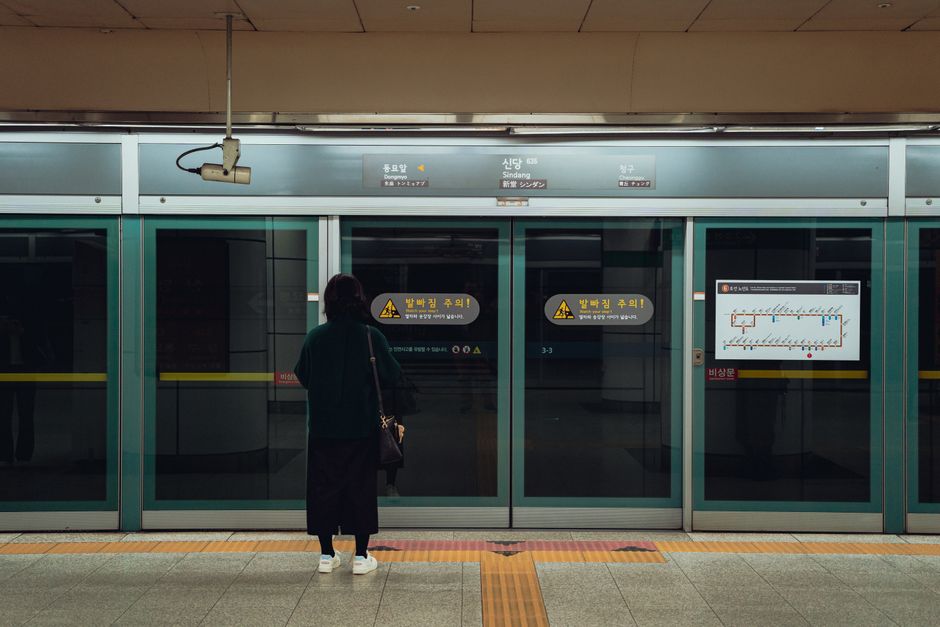
The metro has three lines: A (orange), B (blue), and C (green). Line C only reaches the eastern suburbs. For tourists, lines A and B are what matter. They cross at Termini station.
Metro runs from 5:30 AM to 11:30 PM (1:30 AM on Fridays and Saturdays). Trains come every 5–8 minutes during the day. It’s the fastest way to cover long distances — from Termini to the Vatican in 12 minutes.
But the metro doesn’t reach many central sights. No stop at Trevi Fountain, Pantheon, or Spanish Steps. You’ll still walk 10–15 minutes from the nearest station. That’s normal. Don’t expect a subway exit at every monument.
Pickpocket warning
Metro line A (especially Termini, Barberini, and Ottaviano stations) is crowded with pickpockets. Keep your phone in your front pocket or a zipped bag. A friend lost his wallet on the train between Spagna and Flaminio. The doors close fast and thieves vanish.
Buses: slower but more coverage
Buses go everywhere the metro doesn’t. They’re also slower — traffic in Rome is brutal. A 3 km bus ride can take 25 minutes in rush hour.
Key routes for tourists:
- Bus 64 — Termini to St. Peter’s Square. Famous for pickpockets.
- Bus 40 — Express route from Termini to Vatican area.
- Bus 116 — Small electric bus through the historic center (handy for Pantheon area).
- Bus 492 — Connects Termini to Trastevere.
Buses stop at every designated stop. You must press the stop button before your stop or the driver may skip it. I missed my stop twice because I assumed the driver would stop automatically. They won’t.
Night buses
After the metro closes, night buses run on major routes. They run less frequently (every 20–30 minutes). Use the Moovit app to track them — Google Maps is less reliable for real-time bus positions in Rome.
Trams and the one line you’ll actually use

Rome has six tram lines. Most tourists only use tram 8, which runs from Largo di Torre Argentina (near the Pantheon) to Trastevere. It’s a smooth ride, less crowded than buses, and drops you right in Trastevere’s main square.
Tram 2 is useful if you’re going to the Olympic Stadium or the Flaminio neighborhood. But for most visitors, tram 8 is the only one worth remembering.
Trams run on the same BIT ticket as buses and metro. Validate at the machine inside the tram. You don’t need a separate ticket.
Common mistakes that cost you time and money
Here’s what I see tourists do wrong — and what to do instead.
- Buying a ticket on the bus. You can’t. You must buy it before boarding. If you board without a validated ticket, you’re riding illegally.
- Using a 24-hour ticket for a single ride. A BIT costs €1.50. A 24-hour ticket costs €7.00. If you only take two rides, you wasted €4.
- Not checking if your stop is open. Metro stations close for maintenance without warning. Check ATAC’s website or the Moovit app before heading out.
- Relying on taxis. Taxis in Rome are expensive — €10 minimum fare within the center. Public transport is cheaper and often faster for long distances.
- Thinking the Roma Pass saves money. The 48-hour Roma Pass costs €32 and includes free entry to one museum and unlimited transport. If you only visit one museum and take 4 metro rides, you’d pay €23 separately. The pass only saves money if you visit 2+ museums and use transport heavily.
When to skip public transport entirely
Some trips are better on foot. Walking from the Colosseum to the Pantheon takes 25 minutes. By metro, you’d take line B to Termini, switch to line A to Barberini, then walk 10 minutes. That’s 15 minutes of metro + walking vs. 25 minutes of walking. Not worth it.
Also skip public transport if you’re traveling with heavy luggage. Most metro stations have stairs or escalators that break often. Termini has elevators, but smaller stations like Spagna have none. Take a taxi from the airport to your hotel if you have a suitcase bigger than a carry-on.
When public transport is essential: Getting to the Vatican from Termini (metro line A to Ottaviano, 12 minutes). Getting to Trastevere from Termini (tram 8 from Torre Argentina). Getting to EUR district (metro line B). For everything else, walk.
Your practical action plan for 2026
Here’s exactly what to do, step by step.
- Download Moovit on your phone. It’s better than Google Maps for Rome’s bus and tram schedules.
- Buy a pack of 10 BIT tickets (€15) from a tabacchi near Termini. That covers 10 rides, which is enough for a 5-day trip if you walk most places. Keep them in your wallet and validate one each time you board.
- Carry €1.50 in coins in case you need a single ticket from a machine that doesn’t accept cards (some older ones don’t).
- Keep your phone out of your back pocket on the metro. Use a zipped crossbody bag.
- Walk between central sights. Use the metro only for the Vatican, Trastevere, or EUR.
- Validate every single time. Set a reminder on your phone if you need to. The fine is not worth forgetting.
Rome’s public transport works if you treat it like a tool, not a mystery. Buy the right ticket. Validate it. Walk the rest. That’s the whole system in five words.