Here’s the thing nobody tells you about planning your first backpacking trip to Southeast Asia: the hardest part isn’t packing or getting a visa. It’s choosing between Bali and Thailand when everyone online just says “both are great.”
I’ve spent time in both. They are not the same. And if you pick the wrong one for your budget and personality, you’ll burn cash and waste days figuring it out. Let me break down exactly where your money goes, what you actually get, and which one fits a first-timer in 2026.
Cost of Living: Where Your Money Goes Further
Thailand wins for pure budget flexibility. A dorm bed in Bangkok’s Khao San Road runs $6–$10 per night. In Bali’s Kuta or Seminyak, the same dorm costs $8–$15. That gap widens once you leave tourist hubs.
Street food in Thailand: pad thai or som tam for $1.50–$2.50. In Bali, a similar warung meal runs $3–$5. A Chang beer in Thailand costs $1.50–$2.50. A Bintang in Bali? $2.50–$4 at most bars.
Transport is the real difference maker. Thailand’s bus and train network connects almost every destination. A 10-hour bus from Bangkok to Chiang Mai costs $10–$15. In Bali, you pay $8–$12 for a 45-minute taxi from the airport to Ubud. No trains. No reliable public buses. You either rent a scooter ($5–$8/day) or overpay for private drivers.
Hidden Costs That Add Up
Bali hits you with a tourist levy starting 2026 — about $10 per person, payable at the airport or via an app. Thailand has no equivalent fee. Both charge visa fees for certain nationalities. Thailand offers 30-day visa exemption for many passports; Bali requires a $35 visa on arrival plus a $10 departure tax (though recent reforms may bundle this).
Bottom line: If you’re on $30/day or less, Thailand stretches further. If you have $50+/day, Bali becomes more comfortable — but you still pay more for less infrastructure.
Safety for Solo First-Timers
Both are safe compared to most cities in the Americas or Europe. The risks are different.
Thailand’s main danger is transport-related. Over 20,000 people die on Thai roads annually. Tourists on scooters cause a big chunk. The other risk: drink spiking in certain nightlife zones (Khao San, Pattaya, Koh Phangan). Keep your cup covered. Don’t accept drinks from strangers.
Bali’s risks center on scams and health. Fake tour agencies, overpriced taxis, and the infamous “gemstone” or “silver” shop tricks. Bali belly is real — tap water is not drinkable, even for brushing teeth. Stick to bottled water. Avoid ice from street carts.
Both have decent healthcare for minor issues. For serious problems, Bangkok has world-class hospitals (Bumrungrad, Samitivej). Bali has one major international hospital (BIMC) in Kuta and Nusa Dua. Evacuation from Bali to Singapore costs $5,000–$15,000 — worth the $40–$60 for travel insurance.
Cultural Experience: Temple vs. Temple
Both are Buddhist-majority (though Bali is Hindu). Both have incredible temples. The difference is accessibility and authenticity.
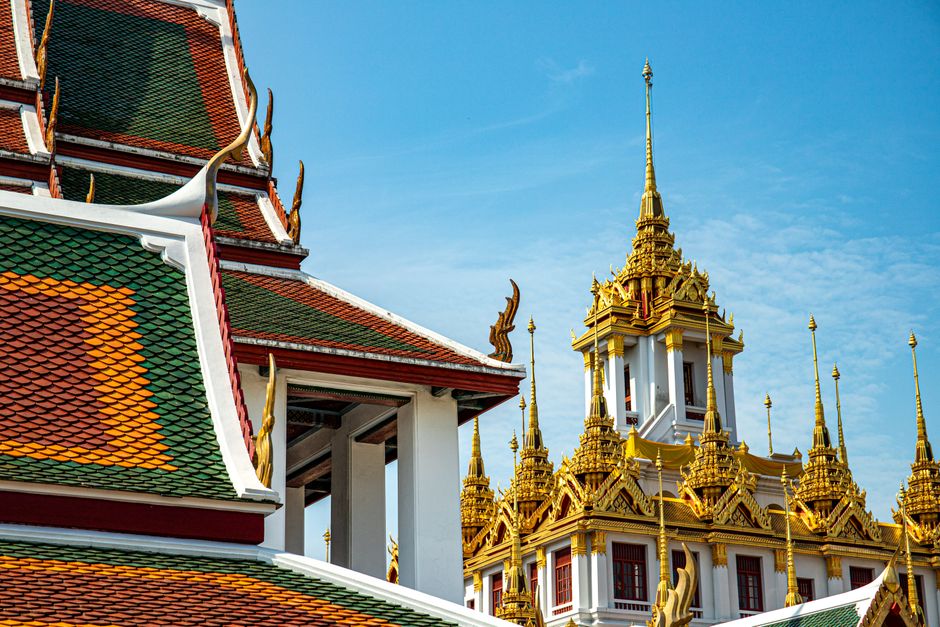
Thailand has hundreds of temples open to the public for free or $1–$3. Wat Pho in Bangkok, Doi Suthep in Chiang Mai, the White Temple in Chiang Rai — you can visit 10+ temples in a week without breaking your budget. Dress codes are enforced: cover shoulders and knees. No exceptions.
Bali’s temples are more spread out. Uluwatu, Tanah Lot, Besakih — each requires a sarong rental ($1–$2) and often a separate ticket ($3–$6). Some temples (like Besakih) have aggressive guides demanding tips. The experience feels more curated for Instagram than the raw spirituality you find in rural Thailand.
If you want to actually learn about Buddhism and local life, Thailand delivers more depth for less money. If you want temple photos with ocean cliffs, Bali wins.
Party Scene vs. Quiet Corners
Thailand’s party reputation is earned. Khao San Road, Koh Phangan’s Full Moon Party, Pattaya’s Walking Street — these are loud, drunk, and fun for a night or two. But Thailand also has silent meditation retreats in Chiang Mai and sleepy islands like Koh Yao Noi where the loudest thing is the cicadas.
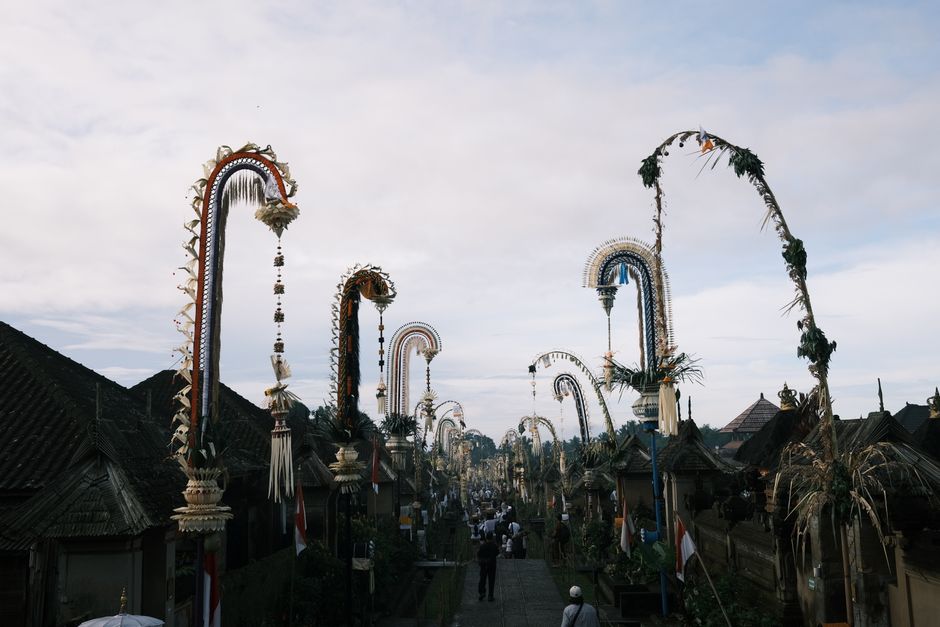
Bali’s party scene concentrates in Kuta and Seminyak (loud, touristy, Australian-heavy) and Canggu (surf-bro vibe, hipster cafes by day, beach clubs by night). Ubud is quieter but still has bars playing reggae until midnight. Bali has fewer off-the-grid options. Once you leave the main towns, you’re in rice paddies with one homestay and no nightlife — which is great if that’s what you want, but the transition is abrupt.
When to Pick One Over the Other
Pick Thailand if: you want a mix of party and quiet, reliable transport, cheap street food, and the ability to change plans on a whim.
Pick Bali if: you want consistent weather (dry season April–October), surf lessons, yoga retreats, and don’t mind paying more for fewer transport options.
Internet & Digital Nomad Setup
Thailand’s internet is faster and more reliable. Average speed: 50–100 Mbps in cities, 20–30 Mbps in islands. You can get a AIS or TrueMove SIM at 7-Eleven for $10–$20/month with 30–60GB data. Coworking spaces in Bangkok cost $100–$200/month. Chiang Mai: $60–$120/month.
Bali’s internet is slower and more inconsistent. Average speed: 20–50 Mbps in Canggu/Ubud, drops to 5–10 Mbps in remote areas. Frequent power outages during rainy season. A local SIM (Telkomsel or XL) costs $10–$15/month for similar data. Coworking spaces in Canggu cost $120–$250/month — more expensive than Chiang Mai for slower speeds.
If you need to work while traveling, Thailand is the better choice. Bali can work if you stay in a dedicated coworking hub (like Dojo Bali or Outpost) and have a backup hotspot.
Common First-Timer Mistakes
I made some of these. You don’t have to.
- Overpacking. Both places have cheap laundry ($1–$3/kg). Bring half what you think you need. Leave the jeans at home — they’re too hot.
- Skipping travel insurance. A motorbike accident in Thailand costs $500–$5,000 without insurance. A broken ankle in Bali costs $2,000–$10,000. Don’t gamble.
- Booking everything before you go. Hostels and buses are cheaper booked 1–2 days in advance. Booking 3 months ahead locks you into plans you might hate.
- Ignoring the weather. Bali’s rainy season (November–March) means daily downpours and rough seas. Thailand’s rainy season varies by region — southern islands flood June–October, but Chiang Mai is fine.
- Trusting Google Maps for travel times. A 40km drive in Bali takes 2 hours. In Thailand, the same distance takes 45 minutes on a bus. Factor in traffic and road conditions.
My Verdict: Which One Should You Pick?
If you’re a first-time backpacker with a budget under $40/day, want reliable transport, and want to see temples, eat street food, and party a few nights — go to Thailand. It’s easier, cheaper, and more forgiving of mistakes.
If you have $50+/day, want surf lessons, yoga, and Instagram-worthy sunsets, and you’re okay with higher costs and slower transport — go to Bali. Just budget for a scooter and a good SIM card.
But the real answer is: start with Thailand for 2–3 weeks, then fly to Bali for a week. Flights between Bangkok and Bali cost $80–$150 one-way. You get both experiences without committing to one.