The most significant finding in the current travel market is that all-inclusive resort deals provide the highest objective value when booked exactly 120 to 150 days in advance or within a narrow 14-day window for unsold inventory. Data suggests that the traditional ‘all-inclusive’ model has bifurcated into two distinct tiers: the ‘budget-volume’ tier, where savings are found through sheer scale, and the ‘luxury-inclusive’ tier, where value is derived from the quality of high-end spirits and specialized dining that would otherwise cost hundreds of dollars per day a la carte. For the consumer, the goal is not simply to find the lowest price, but to maximize the ratio of inclusions to the baseline nightly rate. This analysis breaks down the mechanics of these deals to ensure your next booking is financially optimized.
When to Book All Inclusive Resort Deals for Maximum Savings
Timing remains the most influential factor in securing a deal. Historical pricing data across major Caribbean and Mexican hubs indicates that the ‘shoulder seasons’—specifically the windows between Easter and mid-June, and the period from September through mid-November—offer price reductions ranging from 25% to 40% compared to peak winter months. While these periods overlap with the Atlantic hurricane season, modern resort policies and travel insurance products have mitigated much of the financial risk associated with weather-related cancellations.
The 120-Day Rule and Early Bird Incentives
Resorts utilize complex yield management systems. Typically, the first block of rooms is released at a discounted ‘Early Bird’ rate to ensure a baseline occupancy level. This is generally the most stable way to secure a high-demand property during a popular week. For a resort like the Sandals Royal Caribbean (approx. $450 per person/night), booking four months out often yields a ‘7th night free’ promotion or a $605 airfare credit, effectively lowering the daily average cost by 15-20%.
Last-Minute Inventory Liquidation
Conversely, if a resort has not met its occupancy targets two weeks before a date, prices plummet. However, this strategy is risky for travelers requiring specific flight routes. If you are flexible, using retail-focused travel aggregators to find ‘blind’ deals can be effective. The trade-off is often the loss of room category choice. You might pay $200 less per night but end up with a view of the parking lot instead of the ocean. This is where the ‘finance’ aspect of travel planning comes in—ensuring you have a credit card with high travel reward multipliers to offset the cost of the flights, which often rise as the resort prices fall.
Comparing Top All-Inclusive Brands by Price and Quality

Not all ‘inclusive’ packages are created equal. Some brands focus on family-friendly amenities and buffet-style dining, while others emphasize fine dining and premium liquor. Understanding the brand DNA is essential for matching your expectations with the price point. Below is a comparison of three major players in the market based on 2024 data.
| Brand Name | Approx. Price (Per Night/Person) | Primary Pro | Primary Con |
|---|---|---|---|
| Excellence Resorts | $350 – $550 | High-end liquor and no-reservation dining | Adults-only focus limits family travel |
| Hyatt Ziva/Zilara | $400 – $700 | Excellent food quality and service standards | Often requires more points/cash than competitors |
| RIU Palace | $180 – $300 | High availability and consistent budget pricing | Can feel crowded; buffet-heavy dining |
Excellence Resorts: The Value Leader in Luxury
For travelers seeking a premium experience without the $1,000+ per night price tag of ultra-luxury boutiques, Excellence Playa Mujeres consistently ranks high in value-for-money metrics. At approximately $400 per night, the inclusion of a fully stocked in-room premium bar and 24-hour room service provides a tangible return. The ‘con’ here is that these resorts are almost exclusively located in Mexico and the Dominican Republic, limiting geographic variety.
RIU Hotels & Resorts: The Budget Powerhouse
If the objective is simply a beach and unlimited beverages, RIU Palace Las Americas in Cancun offers a reliable entry point at roughly $220 per night. The ‘pro’ is the sheer reliability; you know exactly what the room and food will look like. The ‘con’ is the lack of intimacy. These are massive properties where you will be sharing the pool with hundreds of other guests. For many, the $180 savings per night compared to a Hyatt or Sandals is worth the trade-off in exclusivity.
How to Calculate the Real Value of an All-Inclusive Package
To determine if an all-inclusive resort deal is actually a bargain, you must perform a ‘shadow budget’ comparison. This involves estimating what you would spend at a traditional hotel for the same level of consumption. Most travelers underestimate their daily spend on incidentals. A standard resort breakfast is $30, lunch is $45, and a multi-course dinner with wine easily exceeds $150 per person. Add in six cocktails at $18 each, and you are already at $333 per day before considering the room cost.
The Beverage and Food Multiplier
When analyzing a deal, look at the brand of spirits included. If a resort serves ‘house’ spirits of unknown origin, the value is low. If they serve name-brand labels like Grey Goose or Macallan, the value proposition shifts significantly. Similarly, check if ‘specialty’ restaurants require an upcharge. A deal that seems cheap at $200 a night but charges $50 for every dinner that isn’t a buffet is not a deal—it is a marketing trap. True value lies in ‘no-reservation’ dining policies where you can eat at the steakhouse or the sushi bar every night without an extra fee.
Transportation and Activities
Many all-inclusive deals include round-trip airport transfers. In destinations like Montego Bay or Punta Cana, private transfers can cost $80 to $120. If the resort includes this, it’s a direct cash saving. Furthermore, look for non-motorized water sports. If you plan on paddleboarding or snorkeling daily, a resort that includes these (like Club Med properties) can save you $50 per hour in rental fees. Always calculate these ‘soft’ costs when comparing a $2,000 all-inclusive week against a $1,200 ‘room-only’ hotel stay.
Regional Price Analysis: Mexico vs. Caribbean vs. Europe
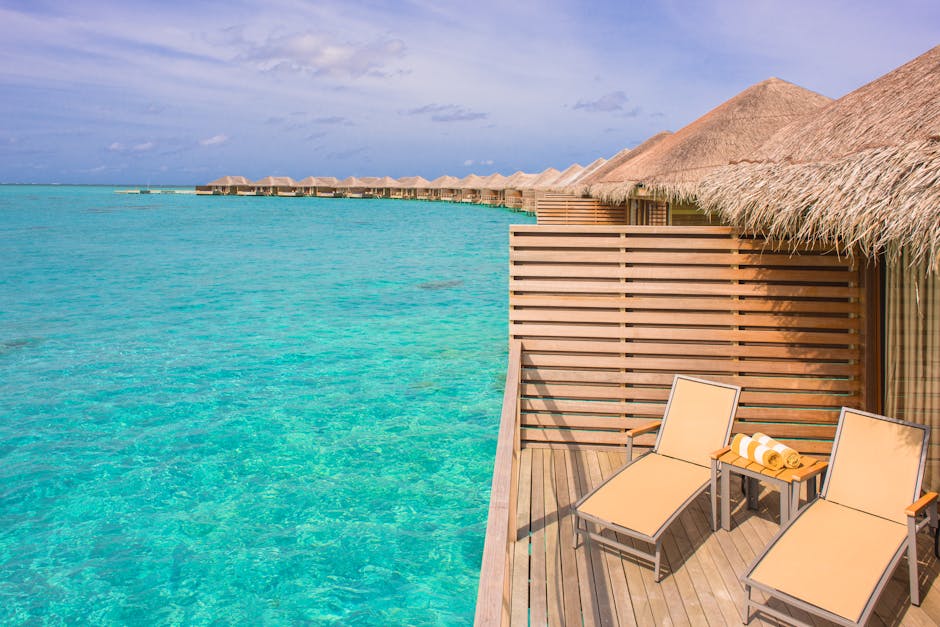
Geography dictates price more than almost any other factor in the all-inclusive world. Mexico, particularly the Cancun and Riviera Maya corridor, remains the global leader in all-inclusive value due to the sheer volume of rooms and the competitive flight market. The Dominican Republic follows closely, often offering even lower prices but sometimes at a slight dip in food quality or infrastructure reliability.
Mexico: The Competitive Hub
The density of resorts in the Mexican Caribbean forces properties to constantly innovate and discount. You can often find 5-star experiences for 4-star prices. For instance, the Iberostar Grand Paraiso (approx. $380/night) offers a level of architectural grandeur and service that would cost double in Hawaii or the Mediterranean. The abundance of low-cost carrier flights into CUN also keeps the total package price down.
The Caribbean: High Variability
Islands like Saint Lucia, Antigua, and Barbados offer a more ’boutique’ all-inclusive feel but at a higher price point. Sandals Grande St. Lucian is a bucket-list destination, but you will rarely find it for under $500 per person/night. The value here isn’t in the price, but in the environment—the lush mountains and turquoise waters that Mexico can’t quite replicate. If you are looking for deals in the Caribbean, the Dominican Republic’s Cap Cana area is the current ‘sweet spot’ for luxury at a moderate price.
Europe: The Mediterranean Model
All-inclusive resorts in Europe, particularly in Greece and Turkey, operate differently. They often focus on ‘Ultra All-Inclusive’ which includes extensive spa access. Brands like Ikos Resorts in Greece have redefined the European model, offering Michelin-starred menus and even a complimentary Tesla for a day to explore the island. These are premium products (often $600+/night), but when compared to the cost of dining out in the Eurozone, the math often favors the resort for heavy spenders.
Hidden Costs and How to Avoid Them in All-Inclusive Bookings

The term ‘all-inclusive’ is rarely literal. To truly capitalize on a deal, you must be aware of the ‘gray areas’ that can inflate your final bill. The most common hidden cost is the ‘Environmental Tax’ or ‘Resort Fee’ which is often not included in the advertised price. In Mexico, this is small (a few dollars a day), but in other regions, resort fees can add $40 to $50 per night to your balance upon checkout.
Tipping Culture and Premium Upgrades
While many resorts claim ‘tips included,’ the reality on the ground often differs. In many Mexican and Dominican resorts, a small tip to your bartender or maid ensures significantly better service. If you aren’t prepared for this, it can feel like a hidden tax. Furthermore, beware of the ‘Club Level’ or ‘Preferred Club’ upsell. Resorts often gatekeep the best pools, the fastest Wi-Fi, and the top-shelf liquor behind a ‘club’ membership that can cost an extra $100 per night. If the base inclusions are sufficient, resist the urge to upgrade at check-in when emotions are high.
Pro Tip: Before booking, check the resort’s official app or website for a ‘Day Pass’ price. If the day pass is $150 and the nightly room rate is $400, you are paying $250 for the room and $150 for the food/drink. If the day pass is $250 and the room is $400, the deal is much better because the ‘food/drink’ portion of your payment is higher.
Telecom and Connectivity
While most resorts offer ‘free Wi-Fi,’ it is often restricted to the lobby or has speeds insufficient for anything beyond basic messaging. If you need to work or stream, you might find yourself paying for a ‘Premium Wi-Fi’ package. This is where having a robust international data plan from a provider like those found in telecom retail sectors becomes a financial asset. Using your own hotspot can save you $15 to $20 per day in resort connectivity fees. Similarly, ensure your finance-related travel insurance covers ‘trip interruption’—not just cancellation—to protect your investment against the unforeseen logistical hurdles of international travel.
Ultimately, the best all-inclusive resort deals are found by those who prioritize data over impulse. By choosing the right window (120 days out), the right region (Mexico for pure value), and the right brand (matching your specific needs for food vs. atmosphere), you can secure a vacation where the cost is known upfront and the value far exceeds the individual components. The market in 2024 is highly competitive; use that competition to your advantage by comparing the ‘inclusion-to-price’ ratio before entering your credit card details.