Two-thirds of first-time visitors to Morocco choose Marrakech. That’s a lot of people crowding the same souks, taking the same photos of the Koutoubia Mosque, and haggling for the same leather poufs. Meanwhile, Fes — the country’s oldest imperial city — gets half the tourists but arguably holds twice the cultural depth.
This isn’t about which city is “better” in some absolute sense. It’s about which one fits your definition of a culture trip in 2026. Do you want curated chaos with a side of rooftop bars? Marrakech. Do you want to get lost in a medieval labyrinth where craftsmen still use 14th-century techniques? Fes.
I’ve spent a combined six weeks in both cities over the last three years. Here’s the breakdown of what each actually delivers for a culture-focused traveler — no hype, no romanticizing.
1. The Medina Experience: Curated Chaos vs. Living Museum
Both cities have UNESCO-listed medinas. They feel nothing alike.
Marrakech: The Theater of Tourism
Marrakech’s medina is a performance. Djemaa el-Fna square hums with snake charmers, orange juice stalls, and storytellers until midnight. It’s loud, smoky, and electric. The souks are organized by trade — the spice souk, the dye souk, the metalworkers’ lane — but every other stall sells the same mass-produced lamps and “Berber” carpets priced for tourists.
You’ll be stopped constantly. “Where you from? Just look, no pressure.” It’s exhausting after day two. The medina here works best as a spectacle you dip into for a few hours, not a place to live.
Key stats: 900+ riads in the medina. Average alley width: 2 meters. Peak crowd density on a Friday evening: roughly 250,000 people in the central square.
Fes: The Unpolished Original
Fes el-Bali (the old medina) has 9,400 streets and alleys. Google Maps is useless. You will get lost. That’s the point.
The crafts here are real. Tanneries still use pigeon poop and safflower to dye leather. Woodworkers carve cedar by hand. Weavers produce silk and wool on looms that haven’t changed in 500 years. The UNESCO designation isn’t a plaque on a wall — it’s a living system of guilds and apprenticeship that still functions.
You won’t find many English menus. You won’t find many menus at all. You’ll eat what the family cooks that day.
Verdict: If you want to watch culture performed for you, Marrakech delivers. If you want to step into a culture that doesn’t care whether you’re watching, choose Fes.
2. Food Culture: Street Snacks vs. Slow Feasts
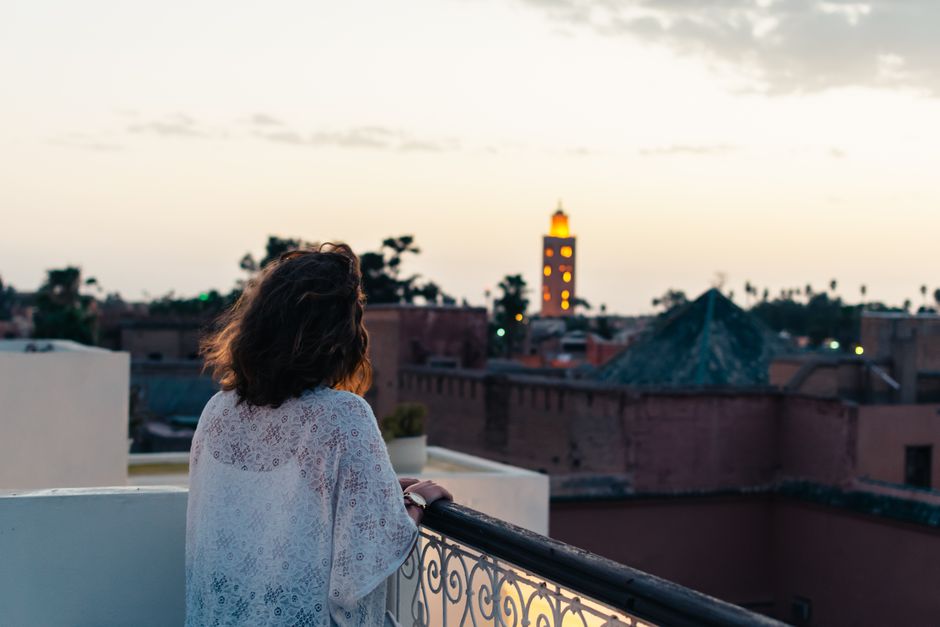
Moroccan food is one of the main reasons people travel here. But the eating experience differs sharply between the two cities.
| Factor | Marrakech | Fes |
|---|---|---|
| Street food variety | High — snails, grilled meats, msemen, fried fish | Medium — mostly brochettes, harira, and bissara |
| Restaurant scene | International + high-end Moroccan (Le Jardin, NOMAD) | Family-run dairas (communal dining), few tourist traps |
| Signature dish | Tanjiya (slow-cooked spiced meat, usually lamb) | Pastilla (sweet-savory pigeon or chicken pie with almonds) |
| Cooking class culture | Widespread, English-friendly, ~€40-60 per class | Less common, more authentic, ~€25-40 per class |
| Best for | Grazers who want variety | People who want one incredible, slow meal |
In Marrakech, you can eat tagine from a street stall at 11 PM, then walk five minutes to a rooftop bar for cocktails. The food scene is adaptable to tourist schedules and tastes.
In Fes, meals follow rhythm. Lunch is the main meal, eaten between 1 and 3 PM. Dinner is lighter and earlier. If you show up at a daira at 9 PM expecting a full menu, you’ll be disappointed.
One concrete recommendation: In Fes, find the small restaurant Der el-Hamd in the medina. No sign. Ring the bell. You’ll eat pastilla, lamb tagine with prunes, and fresh fruit for about €12 total. Cash only. No photos allowed. That’s the Fes food experience.
3. Craftsmanship and Shopping: Who Makes What?
This section gets straight to the point.
Marrakech is better for: ceramics (especially from Safi), argan oil products, ready-made leather goods (bags, jackets), and decorative metalwork. Prices are higher because the rent is higher. Quality varies wildly. The rule: if a shop has a glossy website and accepts credit cards, you’re paying a 50-100% markup.
Fes is better for: hand-woven textiles (the city’s silk brocade is unmatched), genuine Berber carpets (not the machine-made ones sold in Marrakech), traditional leather from the Chouara tannery, and brassware. Prices are lower. Haggling is expected but less aggressive.
Common mistake: Buying a “Berber carpet” in Marrakech. Most are made in China or machine-loomed in Casablanca. In Fes, you can visit the weavers’ cooperative in the medina and watch a single carpet being made over three weeks. It costs more — expect €200-500 for a small rug — but it’s the real thing.
What to skip in both cities: “Saffron” powder that’s actually turmeric and red dye. “Fossil” items carved from common stone. “Amber” necklaces made of plastic. If the price feels too good for a handmade object, it isn’t handmade.
4. Getting Around: Walking, Taxis, and the Cost of Movement
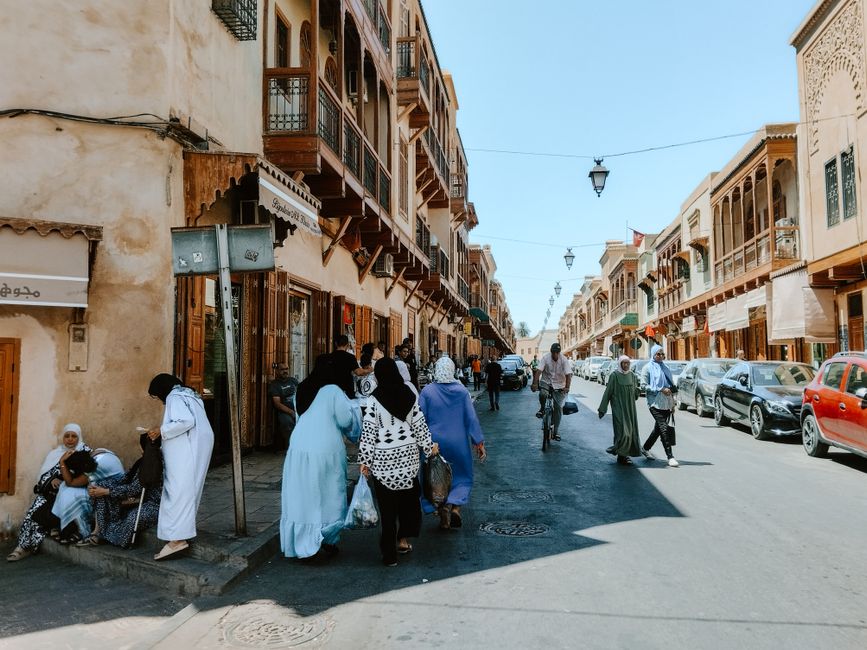
Culture travel involves your feet. But the logistics of moving between sites matter more than most guides admit.
Marrakech
The medina is walkable in patches. The main drags (Rue Bab Agnaou, Rue Moulay Ismail) are wide enough for scooters, which you’ll dodge constantly. Taxis are plentiful. A ride from the medina to the Majorelle Garden costs about 30-50 MAD (€3-5). Petit taxis are cheap but drivers often refuse the meter — negotiate before getting in.
The city has a hop-on-hop-off bus (€15/day) that hits the main sites outside the medina. It’s fine for a first visit, but you miss the backstreets.
Fes
The medina is almost entirely pedestrian. No cars. No scooters in most alleys. You walk or you hire a local guide (€20-30 for a half-day) to navigate the maze. This is non-negotiable for first-timers — the medina is 2.5 square kilometers of identical-looking alleys.
Taxis in the new city (Ville Nouvelle) are cheap — 15-25 MAD for most trips. From the medina to the train station, budget 20 MAD. The Fes taxi union is strict about meters, so scams are rarer than in Marrakech.
Practical tip for both cities: Download the app Careem (owned by Uber, works in Morocco). It gives fixed prices for taxis and avoids the “broken meter” game. Available in both cities as of early 2026.
Failure mode: Trying to see both cities in 4 days. You’ll spend two half-days on trains (Marrakech to Fes is 7 hours via Casablanca) and arrive exhausted. Pick one city for a 5-7 day stay. Save the other for a return trip.
5. The Verdict: Pick Your Tradeoff
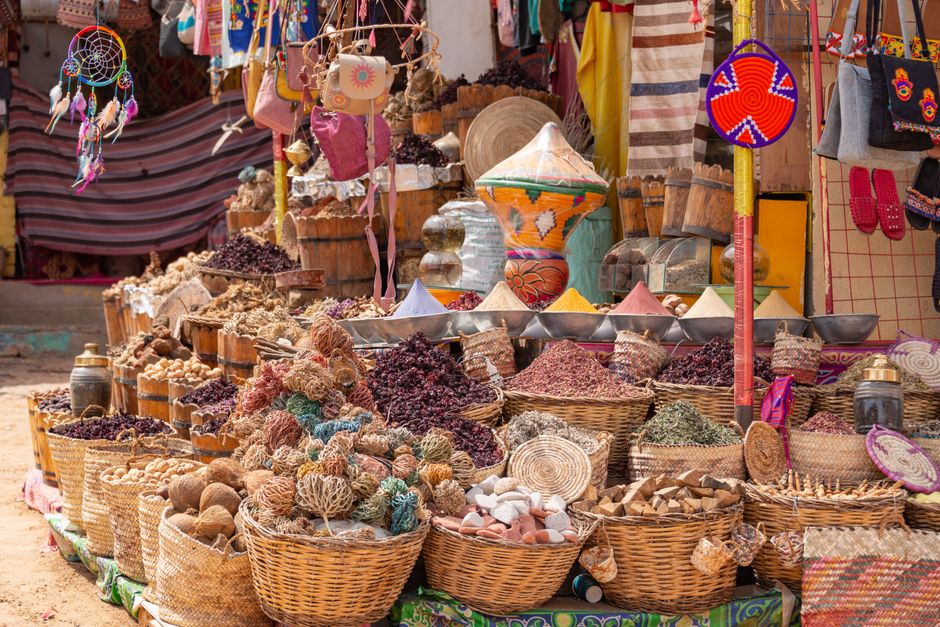
There is no universal winner. Here’s the honest framework.
Choose Marrakech when:
- You want a high-energy introduction to Morocco
- You value restaurant variety and late-night options
- You’re okay with crowds and tourist infrastructure
- You have limited time (3-4 days) and want to pack in sights
- You care about Instagram-worthy riads with plunge pools
Choose Fes when:
- You want the deepest possible immersion in living history
- You prefer authentic craft over polished souvenirs
- You’re comfortable getting lost and not having a plan
- You have 5+ days to slow down and explore
- You want to eat like a local, not like a tourist
One sentence takeaway: Marrakech shows you Morocco’s culture in a highlight reel; Fes makes you live it, one wrong turn at a time.