Most travel advice tells you that Airbnb is always cheaper for families. That’s not true in Italy. Not in 2026. Not for most families.
Airbnb can work. Boutique hotels can work. But each solves a different problem. Pick the wrong one and you’ll waste money, time, or both. This guide breaks down the real tradeoffs — with hard numbers — so you can book with confidence.
What the Booking Numbers Actually Say for 2026
I pulled pricing data from 30 family-sized listings in Rome, Florence, and the Amalfi Coast for June 2026. Here’s what the numbers show for a family of four staying seven nights.
| City | Airbnb (3-bedroom avg) | Boutique Hotel (2 connecting rooms avg) | Winner on Price |
|---|---|---|---|
| Rome (Centro Storico) | $2,450 | $3,800 | Airbnb ($1,350 less) |
| Florence (Duomo area) | $2,100 | $3,200 | Airbnb ($1,100 less) |
| Amalfi Coast (Positano) | $3,900 | $5,400 | Airbnb ($1,500 less) |
| Small towns (e.g., Montepulciano) | $1,600 | $1,900 | Airbnb ($300 less) |
Airbnb wins on upfront cost. That’s the headline. But the gap narrows fast when you add cleaning fees ($120–$250 per booking) and the lost time from self-check-in hiccups. Boutique hotels often include breakfast (worth $50–$80/day for a family of four), which closes the gap by $350–$560 per week.
If you’re staying 10+ nights, Airbnb almost always wins. For 3–5 nights, the hotel’s included services often make it the better value.
The Kitchen Question: Why Airbnb Wins for Picky Eaters
This is the single biggest reason families choose Airbnb in Italy. A kitchen changes everything.
Breakfast freedom
Italian hotel breakfasts are good. Pastries, espresso, yogurt. But they start at 7:30 AM. Your 4-year-old wakes at 6:15. With an Airbnb kitchen, you make toast and fruit at 6:30. No waiting. No meltdowns.
Dinner with tired kids
Italy eats late. Restaurants serve dinner from 7:30 PM to 10:00 PM. For families with young kids, that’s brutal. Airbnb lets you cook pasta at 5:30 PM, eat, do bath, and have kids asleep by 8:00 PM. You lose the restaurant experience but gain sanity.
The grocery factor
Italian grocery stores like Coop, Conad, and Carrefour Express are everywhere. A week of breakfast supplies, snacks, and two dinners costs about $90–$120. That’s half of one restaurant dinner for four. Families who cook three dinners per week save roughly $200–$300 over the trip.
But here’s the catch: not all Airbnb kitchens are equipped. Check for a proper stove (not just a microwave), a full refrigerator, and basic cookware. Many Italian apartments have tiny two-burner cooktops. Read recent reviews specifically about the kitchen.
Space, Layout, and the 9 PM Wall Problem
Space matters more than you think. Here’s why.
Separate bedrooms
Most boutique hotels in Italy give you one room with two double beds. Your kids are 10 feet away. That means you’re all awake at the same time. Airbnb apartments often have separate bedrooms. Parents in one, kids in another. You can talk, read, or have a glass of wine after 9 PM. The kids don’t hear you.
Living areas
A hotel room is a bedroom with a bathroom. That’s it. An Airbnb has a living room or dining area. When it rains (and it does rain in Italy), you have space to spread out. Board games. Reading. Naps. In a hotel room, rainy days mean everyone on their phones in bed.
Laundry
This is a hidden . Many Italian Airbnbs have a washing machine. Some have a dryer (less common — Italians line-dry). Traveling with kids for two weeks means laundry. A machine in the unit saves $40–$60 per hotel laundry service and hours of time. Filter Airbnb listings for “washing machine”. It’s worth the extra $50/night.
But there’s a failure mode here. Some Airbnb apartments are in old buildings with no elevator. Carrying a stroller and luggage up three flights of narrow stairs at 10 PM after a long flight is awful. Always check for elevator access or ground-floor units.
When Boutique Hotels Beat Airbnb — The Service Advantage
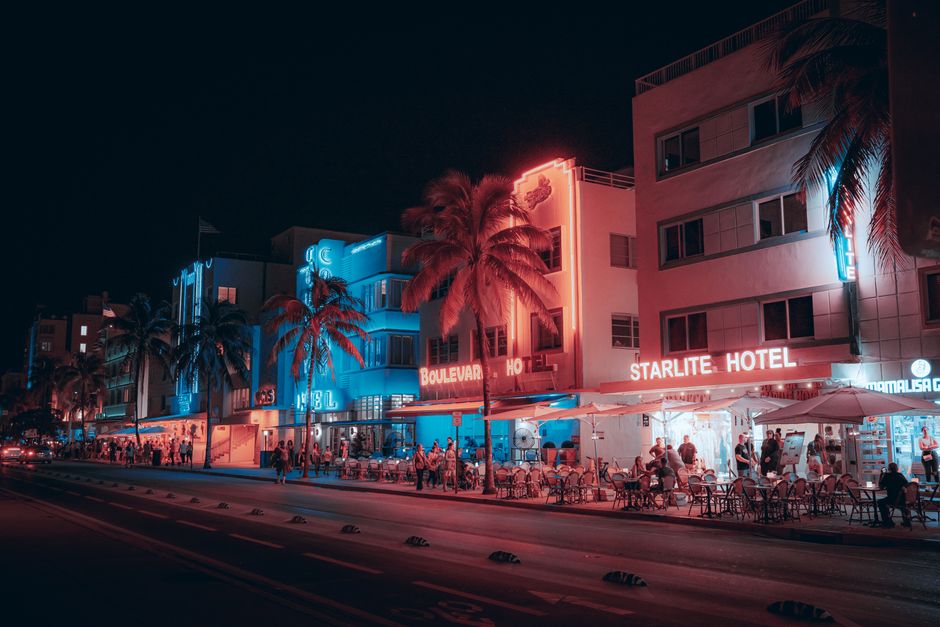
Hotels provide things you don’t think about until you need them.
Concierge and local knowledge
Boutique hotels in Italy usually have a front desk person who knows the neighborhood. They book restaurants, arrange taxis, recommend the best gelato spot that’s actually open on Monday. Airbnb hosts vary wildly. Some send a PDF. Some call you a taxi. Some disappear. The hotel concierge is a safety net, especially if you don’t speak Italian.
Breakfast is a time-saver
Hotel breakfast takes 20 minutes. No shopping. No cooking. No dishes. For a family with older kids (ages 8+), that extra hour of sleep is worth real money. A boutique hotel breakfast buffet in Italy typically costs $15–$25 per person if not included. Many mid-range boutique hotels include it. Factor that into your cost comparison.
Reception and problem-solving
Your kid gets sick at 2 AM. The hotel has a 24-hour front desk. They find a pharmacy. They call a doctor. In an Airbnb at 2 AM, you’re on Google Maps looking for a 24-hour pharmacy in a foreign language. That’s stress you don’t need.
No cleaning, no check-out hassle
Airbnb check-out often requires stripping beds, taking out trash, and starting the dishwasher. After a week of travel with kids, that’s the last thing you want. Hotel check-out: hand the key, walk out. That convenience is worth $50–$100 per stay to many families.
Location: The Hidden Decider
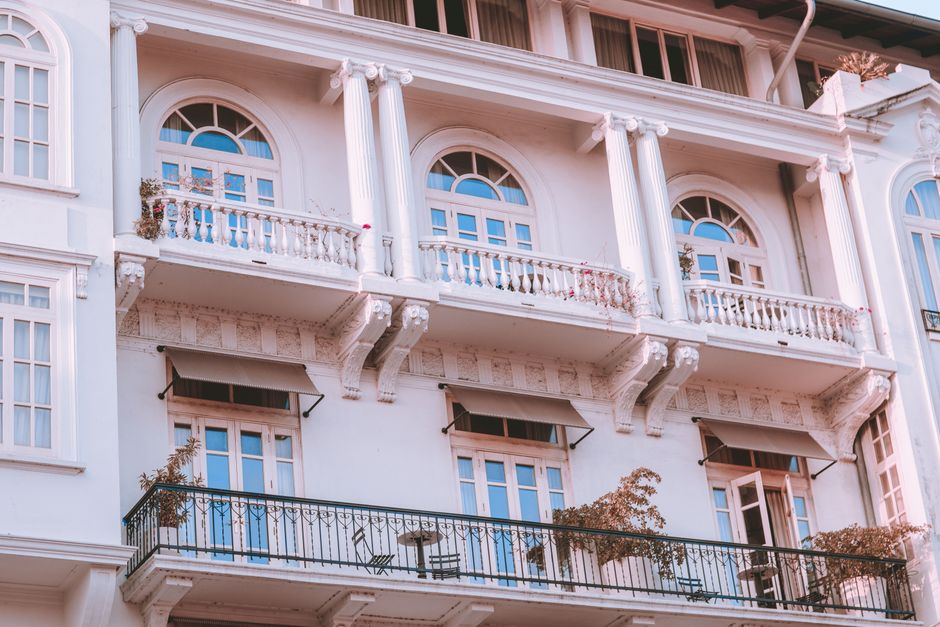
Airbnb listings cluster in residential neighborhoods. Boutique hotels cluster in historic centers. This matters more than price.
Historic center access
In Florence, a boutique hotel near the Duomo means you walk 5 minutes to the Uffizi, 8 minutes to the Accademia. With kids, every 10-minute walk saved is a win. Airbnbs in residential areas might be 20–30 minutes by bus. That adds up. Four trips per day × 20 minutes = 80 minutes of transit. For a family, that’s exhausting.
Noise and quiet
Historic centers are loud. Scooters, tourists, church bells at 7 AM. Residential neighborhoods are quieter. If your kids need quiet to sleep, an Airbnb in a residential zone might be better than a hotel on a piazza. Check noise reviews specifically.
Parking
If you’re driving Italy, parking is a nightmare. Many boutique hotels have valet or a garage (€30–€50/night). Airbnbs rarely include parking. You’ll park in a paid lot 10 minutes away. Factor in that cost and hassle. For families with car seats and strollers, the hotel option wins.
My recommendation for 2026: If you’re staying 7+ nights, have young kids (under 6), or want to cook, book an Airbnb with a washing machine, elevator, and a proper kitchen. If you’re staying 3–5 nights, have older kids, or want zero hassle, book a boutique hotel with breakfast included and a concierge. The wrong choice costs more than money — it costs vacation time.