Xinjiang is huge, truly massive. It’s bigger than France, Germany, and the UK combined. This means the best time to visit isn’t a simple answer; it depends entirely on what you want to see and where you plan to go. I’ve made my share of timing mistakes, and I’ve learned a lot, so let me share what I’ve figured out over the years.
Why Summer Isn’t Always the Best Idea (Despite What You Hear)
Look, everyone talks about summer in Xinjiang. They picture lush grasslands and sunny days. And yes, you can have those. But honestly, I think it’s often overrated. I’ve been there in July, and while the mountains were accessible, the downsides often outweigh the benefits for me. The crowds? Forget about it. You’re jostling with domestic tourists at every major scenic spot, particularly around Kanas Lake and the Yili grasslands. Accommodation prices spike, and getting tickets for anything becomes a competitive sport. If you love crowds and paying top dollar, go for it. But for a more peaceful, authentic experience, you should absolutely consider other times.
Dealing with Peak Season Crowds and Costs
Let’s be real: Xinjiang in July and August can feel like Disneyland if you’re hitting the popular spots. You’ll find yourself stuck in lines for shuttle buses, fighting for a good photo op, and often paying double or triple for hotels that are just average. For example, a decent hotel room in Burqin or Fuyun that might go for ¥200 in shoulder season can easily hit ¥600-¥800 in peak summer. The sheer volume of people can really detract from the natural beauty of places like Kanas or Sayram Lake. If your schedule is absolutely locked into summer, prepare for this. Book everything – flights, trains, hotels, and even some attraction tickets – months in advance. Otherwise, you’ll be scrambling, and that’s no way to enjoy a trip.
Managing Summer Heat in the Turpan Depression
And then there’s the heat, especially if you’re heading south to places like Turpan. I recall one August trip where the city was consistently hitting 40°C (104°F) or more during the day. Visiting the Flaming Mountains or the Karez wells felt like stepping into an oven. It’s a dry heat, but still brutal. You need to adjust your schedule completely, doing activities early in the morning or late in the afternoon, and taking long siestas. Urumqi also gets quite warm. While the mountains like Tian Shan offer some respite, if your itinerary includes any desert or basin areas, be prepared to sweat. Pack light, breathable clothing, a wide-brimmed hat, and carry plenty of water. Seriously, hydrate constantly.
My Top Pick: Early Autumn (September to Mid-October)
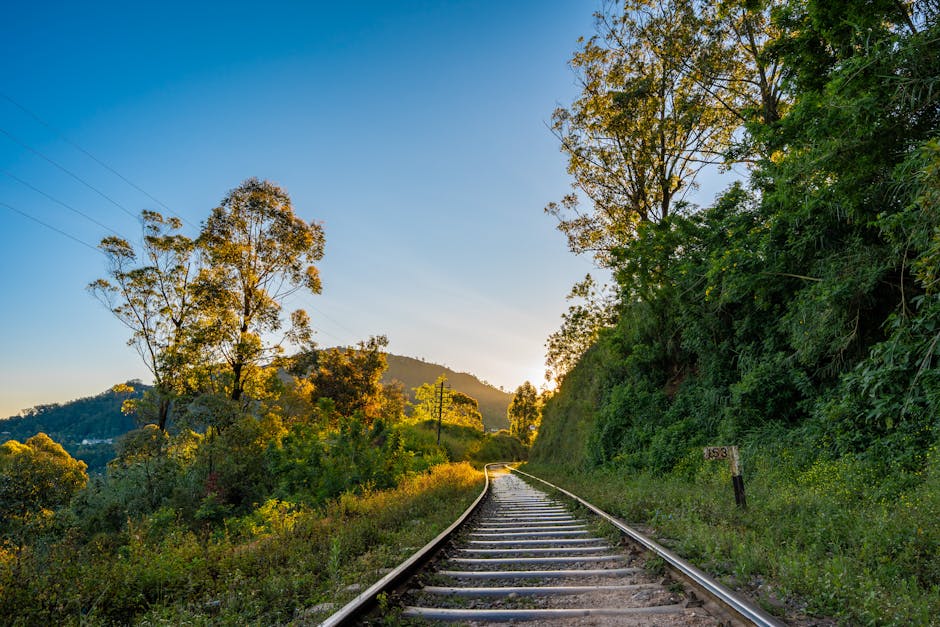
If you ask me, early autumn is the undisputed champion for visiting Xinjiang. I’ve visited several times between early September and mid-October, and it consistently delivers the best experience. Why? The weather is just about perfect. You get crisp, clear days with comfortable temperatures, usually ranging from 15°C to 25°C (59°F to 77°F) in most regions. The scorching summer heat has faded, and the biting winter chill hasn’t set in yet. This means you can comfortably explore everything from the high mountain passes to the ancient cities of the south.
Beyond the weather, the landscape undergoes a spectacular transformation. This is when the leaves turn. The poplars along the riversides, especially in the northern areas, burst into brilliant gold. The grasslands, while losing some of their summer green, take on a softer, golden hue, dotted with grazing livestock. It’s incredibly picturesque. Plus, the summer crowds have largely dispersed. You’ll find popular spots like Kanas, Hemu, and the Yili Valley still accessible and beautiful, but without the suffocating throngs of peak season. Prices for accommodation and transport also start to drop, offering much better value for your money. It’s the sweet spot for photography, hiking, and simply enjoying the vastness without feeling rushed or overwhelmed.
Kanas Lake’s Golden Transformation
This is where early autumn truly shines. Kanas Lake, Hemu Village, and Baihaba Village become a painter’s paradise. The Siberian larch and birch forests that dominate the landscape turn brilliant shades of gold, orange, and red. The reflection of these colors in the emerald waters of Kanas Lake is breathtaking. I’d recommend aiming for the last two weeks of September for the absolute peak foliage, though the first week of October can still be stunning, especially if you catch a clear day. The air is crisp, and the morning mist over Hemu, with the golden trees emerging, is an unforgettable sight. You’ll still find plenty of other travelers, but it’s a far cry from the summer madness. Hiking trails are open and pleasant, and boat trips on the lake are serene.
Southern Xinjiang’s Comfortable Conditions
While Kanas gets all the glory for its autumn colors, Southern Xinjiang also benefits immensely from the autumn window. Kashgar, the Karakoram Highway, and the ancient Silk Road towns like Khotan and Yarkand become incredibly pleasant to visit. The intense summer heat of the Taklamakan Desert region subsides, making exploration much more comfortable. Walking through Kashgar’s Old City, visiting the Sunday Bazaar, or embarking on a journey along the Karakoram Highway towards Tashkurgan is a joy. The sky is often a brilliant, clear blue, perfect for photography. You can explore archaeological sites without wilting in the sun, and the local markets are still bustling with harvest-season produce. It’s truly the best time to experience the cultural heart of Xinjiang without environmental discomfort.
Spring’s Unpredictable Charm: What to Expect
Spring in Xinjiang, particularly from late March to May, is a bit of a gamble, but it can be incredibly rewarding for those who like fewer crowds and are prepared for variable weather. This is when the land awakens, and certain areas burst into color. However, it’s not a uniform experience across the entire region. Early spring can still be quite cold, especially in the north, with lingering snow and potential road closures in higher mountain passes. But if you hit it right, you’ll witness some truly spectacular natural phenomena.
- Early Spring (Late March – Mid-April): This period is primarily about the fruit blossoms. The Yili Valley is the star here, with apricot and apple orchards coming into bloom. Places like Xinyuan County, particularly the Apricot Blossom Valley (Xinyuan Xinghuagou), are world-class sights. You’ll see rolling hills covered in delicate pink and white blooms, often with snow-capped peaks in the background. It’s a beautiful contrast. However, expect chilly mornings and evenings, and some mountain roads might still be closed due to snow. This is a low-tourist season, which means peace and quiet, but also fewer services in some remote areas.
- Mid-Spring (Mid-April – May): As spring progresses, the weather warms up, and the grasslands start to green. The melting snow feeds rivers and lakes, making waterfalls more impressive. The Sayram Lake area begins to shed its winter coat, and the first wildflowers appear. This is a good time for southern Xinjiang as well, as temperatures are mild before the summer heat kicks in. The Karakoram Highway typically opens fully during this period, offering clear views of the high peaks. While the crowds are still minimal compared to summer, more services become available. Be prepared for occasional rain showers, especially in the Yili region.
- Considerations: Road conditions can be tricky. Some remote mountain passes might only open in late May or even June, so always check local advisories if your itinerary involves high altitudes. Booking accommodations usually isn’t an issue, and you’ll often find good deals. The unpredictability is part of the charm; you might get a perfect sunny day followed by a cold, rainy one. Pack layers!
Yili’s Apricot Blossoms: A Timed Spectacle
If the Yili Apricot Blossom Valley is on your bucket list, you need to be precise. The bloom period is incredibly short, usually lasting only about a week to ten days, typically in late March to early April. The exact timing shifts slightly each year based on the weather, so you need to be flexible and monitor local reports. I’ve missed it by a few days before, and it was a real disappointment. When you hit it right, though, it’s magical – thousands of apricot trees covering hillsides, creating a soft pink blanket against the backdrop of still-snowy mountains. It’s best seen early in the morning when the light is soft, and before any potential wind picks up. This is a fantastic time for photography if you’re willing to brave the cooler temperatures.
Navigating Melting Snow and Mountain Passes
Traveling in spring, especially early spring, means dealing with melting snow. While it contributes to beautiful landscapes and gushing rivers, it can impact travel plans. Higher mountain passes, like those leading into the Bayanbulak Grassland or parts of the Tian Shan, might still be closed or have restricted access. The Duku Highway, one of Xinjiang’s most scenic routes, is usually only open from June to October, making it inaccessible in spring. Always check road conditions before you set out, especially if you’re planning a self-drive trip. Stick to major routes or lower elevation areas if you’re traveling in April. May generally sees most major routes cleared, but unexpected late snowfall can always happen. Flexibility is key.
Winter in Xinjiang: A Niche, Yet Rewarding, Experience

Most people don’t think “Xinjiang” and “winter” in the same breath, but for those who love snow sports, quiet landscapes, and truly unique cultural experiences, it’s a hidden gem. It’s brutally cold in many areas, yes, but the payoff can be immense. I’ve done a winter trip, and while it requires a different kind of preparation, it was unforgettable. Think pristine snowscapes, frozen lakes, and empty tourist sites. Just don’t expect to see green grasslands!
| Aspect | Winter (Dec-Feb) | Other Seasons (Comparison) |
|---|---|---|
| Crowds | Extremely low; almost deserted at popular spots. | High in summer, moderate in autumn/spring. |
| Activities | Skiing (Altay), ice festivals, traditional Kazakh winter experiences, hot springs. | Hiking, sightseeing, cultural tours, horse riding, photography. |
| Scenery | Pristine snow, frozen lakes, stark beauty, dramatic sunrises/sunsets. | Green grasslands, autumn colors, blossoms, desert landscapes. |
| Accessibility | Many mountain roads closed; focus on specific winter destinations. Flights/trains to major cities still run. | Most roads open (weather permitting); greater regional connectivity. |
| Temperatures | Very cold (-10°C to -30°C, 14°F to -22°F), especially in the north. | Mild to hot (spring/autumn), very hot (summer). |
| Cost | Generally lower for accommodation and flights outside of Chinese New Year. | Higher in summer, moderate in shoulder seasons. |
Skiing in Altay: My Go-To Slopes
If you love skiing, you HAVE to consider Altay in northern Xinjiang. They boast some of the longest snow seasons in China, often from November right through to April. The powder is incredible, and compared to European or North American resorts, it’s still relatively undiscovered by international tourists. I’ve spent a few days at General Mountain Ski Resort near Altay City, and the quality of the snow and the uncrowded slopes were fantastic. It’s not a luxury resort experience, but it’s genuinely good skiing. Also, the region has a fascinating history as the birthplace of skiing, with ancient rock paintings depicting skiers. It’s a unique blend of sport and culture.
Experiencing the Frozen Sayram Lake
Sayram Lake is gorgeous in any season, but seeing it completely frozen over in winter is a different kind of magic. The ice forms intricate patterns, and sometimes you can witness "ice flowers" – clear, sculptural formations caused by wind and freezing water. The entire landscape becomes incredibly still and serene. It’s bitterly cold, no doubt, but with proper gear, walking on the frozen lake (where safe and permitted) is an ethereal experience. The lack of crowds means you often have these magnificent views almost entirely to yourself. The journey there through snow-covered plains is also part of the adventure, offering glimpses into nomadic winter life.
Avoiding the Tourist Traps: Key Dates to Sidestep
This is short and sweet: unless you absolutely thrive on crowds, inflated prices, and booked-out transport, avoid China’s major national holidays. Seriously. Just don’t go. You’ll thank me later.
National Holiday Rush: Golden Weeks
The two big ones are the Chinese New Year (Lunar New Year, usually Jan/Feb) and the National Day "Golden Week" (October 1st-7th). During these periods, millions of Chinese tourists travel domestically, and Xinjiang, despite its remoteness, is a popular destination. Prices for everything skyrocket, scenic spots are swamped, and getting train or flight tickets can be nearly impossible without booking months in advance. Your experience will be significantly diminished by the sheer volume of people and the logistical challenges.
Local Festivals: Plan Around Them
While less impactful than national holidays, some local festivals can also lead to temporary spikes in tourism and crowds in specific areas. For example, the Kurban Festival (Eid al-Adha) and Eid al-Fitr, which follow the Islamic lunar calendar, are significant in Xinjiang, especially in areas with large Uyghur populations like Kashgar. While these are fascinating cultural experiences, they can also mean some businesses are closed, and public transport might be more crowded. It’s worth checking the dates of these festivals if your itinerary includes specific cities or regions.
My Regional Breakdown: When to Hit Specific Spots
Xinjiang is so diverse that a "best time" often boils down to your specific destinations. What’s perfect for the north might be too hot or too cold for the south. Here’s how I break it down for the most popular areas:
When’s Best for the Kanas Lake Area?
For Kanas Lake, Hemu Village, and Baihaba Village, there’s a clear winner: **late September to early October**. This is when the autumn colors are at their absolute peak, transforming the landscape into a golden wonderland. The weather is crisp, clear, and generally sunny, perfect for photography and light hiking. Summer (July-August) is okay for green scenery and warmer weather, but the crowds are a huge deterrent. Spring (May-June) is too early for the full foliage, and winter is beautiful but extremely cold and many amenities are closed. If you want the iconic Kanas experience, aim for autumn.
What About Kashgar and the Karakoram Highway?
For the historic city of Kashgar and the majestic Karakoram Highway, I recommend **May-June** or **September-October**. These shoulder seasons offer the most comfortable temperatures for exploring the Old City, attending the Sunday Bazaar, and driving the high-altitude highway. In summer (July-August), Kashgar itself can get uncomfortably hot, though the Karakoram Highway’s higher elevations are cooler. However, summer also brings the biggest crowds to the highway’s viewpoints. Winter (Nov-Apr) sees many parts of the Karakoram Highway closed due to snow, and Kashgar is very cold, though still culturally vibrant. My personal preference leans towards **early autumn** for the best balance of weather and fewer crowds.
Is There a Best Time for the Yili Grasslands?
The Yili Grasslands (including places like Narat, Bayanbulak, and Zhaosu) are all about lush greenery and wildflowers. Therefore, the optimal time is **June to early August**. This is when the grass is at its tallest and greenest, wildflowers are blooming, and the weather is warm enough to enjoy horseback riding and outdoor activities. However, be prepared for rain showers, especially in June. Mid-August can still be good, but the grass starts to turn golden, and the crowds begin to thin out. Spring (April-May) is too early; the grasslands are still recovering from winter. Autumn (Sept-Oct) is beautiful with golden hues but lacks the vibrant green and flowers. Winter, of course, means snow-covered plains, suitable only for specific winter activities like ice festivals.