You’re staring at a wall of backpacks at REI. 30L. 50L. 70L. The sales guy says “get the 65L, you’ll fill it.” He’s wrong. Most first-time backpackers to Europe buy a pack that’s 15–20 liters too big, then spend €50 checking it on budget airlines because it won’t fit the overhead bin. That €50 could have been three dinners in Barcelona.
Here’s the real math: a 40L pack costs you €0 in checked bag fees. A 65L pack costs you €50–€80 per flight on Ryanair or EasyJet. On a trip hitting 5 countries, that’s €250–€400 wasted on air you could have compressed.
The Liter Rule: Match Pack Size to Trip Length and Season
This isn’t complicated. The number of liters you need depends on exactly two things: how many days you’re gone and whether you’re packing for summer or winter.
Summer trips (May–September):
- 1–2 weeks: 30–35L. You can wash clothes in a sink. You don’t need five outfits.
- 2–4 weeks: 35–40L. Add one extra pair of pants and a light jacket.
- 1–3 months: 40–45L. You’ll need a few more layers, but you’re still doing laundry weekly.
Winter trips (October–April):
- 1–2 weeks: 40–45L. A puffy jacket eats space. So do wool sweaters.
- 2–4 weeks: 45–50L. You need a second pair of warm pants and maybe thermal base layers.
- 1–3 months: 50–55L. If you’re crossing from Paris to Prague in February, you need room for a proper winter coat, gloves, and a beanie.
Bottom line: If you’re going for less than a month in summer, 40L is the sweet spot. It fits every budget airline’s carry-on limit. The Osprey Farpoint 40 ($185) and the Deuter Transit 40 ($160) are the two most common packs I see in European hostels for a reason.
Budget Breakdown: What a 40L Pack Costs to Fill and Carry
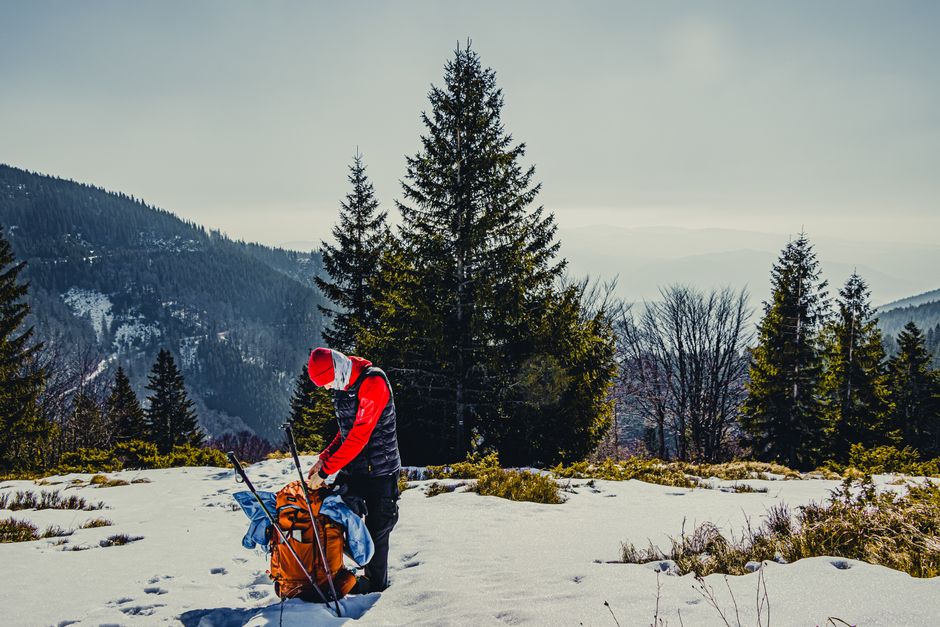
Here’s the actual cost of a 3-week summer trip through Central Europe with a 40L pack. These are real numbers from June 2026.
| Item | Cost (USD) | Weight |
|---|---|---|
| Osprey Farpoint 40 | $185 | 3.2 lbs |
| 3x merino wool t-shirts (Woolly) | $120 | 1.1 lbs |
| 2x quick-dry pants (Columbia Silver Ridge) | $100 | 1.4 lbs |
| 1x packable down jacket (Uniqlo) | $80 | 0.7 lbs |
| Toiletries kit (dr. Bronner’s, toothbrush, etc.) | $25 | 0.8 lbs |
| Electronics (phone, charger, power bank) | $150 | 1.0 lbs |
| First aid + misc | $20 | 0.5 lbs |
| Total | $680 | 8.7 lbs |
Your pack weighs under 9 pounds before you add water and snacks. That’s a full day of walking through Prague without back pain. A 65L pack with the same gear would weigh 4–5 pounds more just from the bag itself, and you’d be tempted to fill it with stuff you don’t need.
The Gregory Zulu 40 ($200) is lighter at 2.8 lbs but has fewer organization pockets. Pick based on whether you want quick access (Gregory) or structured packing (Osprey).
Why 60L+ Packs Are a Mistake for Most European Trips
I’ll say it directly: buying a 65L backpack for a 2-week trip to Europe is a waste of money and comfort. Here’s why.
Budget airlines charge for checked bags. Ryanair’s priority boarding + cabin bag costs €6–€12 if you book early. Their 10kg checked bag costs €25–€45. A 65L pack will never fit the sizer box. You’re paying €30–€50 extra every single flight. On a trip with 4 flights, that’s €120–€200 you could have spent on a nice dinner in Rome or a train pass in Switzerland.
Hostel lockers are small. Most European hostel lockers are designed for 40–45L packs. A 65L pack sits in the hallway or under your bed. That’s how things get stolen. In 2026, I watched a guy in Budapest lose his phone and wallet from a 70L pack that was too big for the locker.
You walk more than you think. The average backpacker walks 8–12 km per day in cities like Paris, Berlin, or Lisbon. Carrying an extra 5–8 pounds of pack weight and the temptation to overpack means you’re sore by day three. A 40L pack forces you to be minimal. That’s a feature, not a bug.
When should you buy a 60L+ pack? Only if you’re camping. If you’re carrying a tent, sleeping bag, and stove, you need the space. For hostel-to-hostel city travel, you don’t.
Packing Hacks: How to Fit 3 Weeks Into 40 Liters
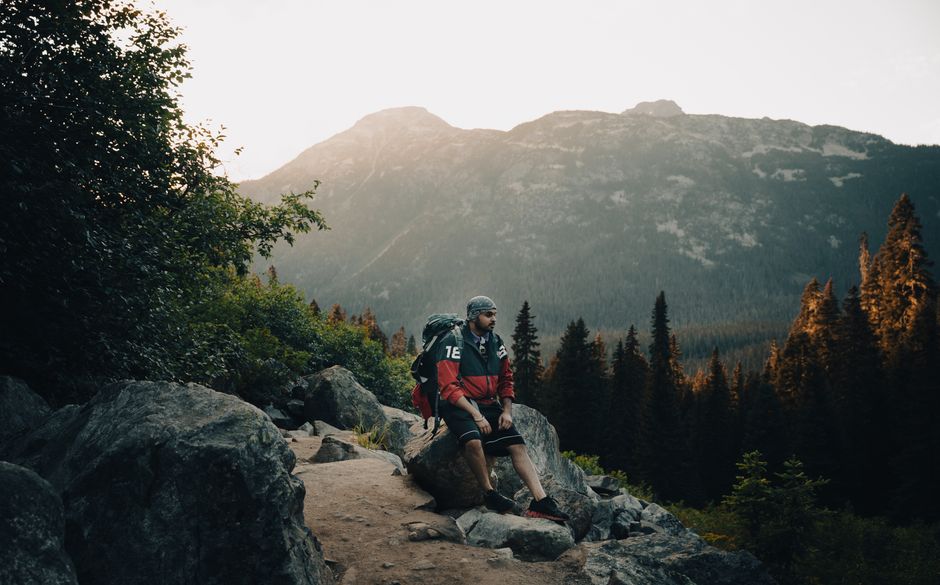
You don’t need a bigger bag. You need better packing technique. These three hacks will save you space and money.
Hack 1: Compression cubes, not packing cubes
Standard packing cubes just organize. Compression cubes (like the Gonex 4-set, $25 on Amazon) use a second zipper to squeeze air out. They reduce your clothing volume by 30–40%. A hoodie that takes up 4L loose fits in 2.5L compressed.
Hack 2: Wash your clothes in the sink
Bring a 3oz bottle of Dr. Bronner’s peppermint soap ($5). Wash your t-shirt and underwear every third night. Hang them on the hostel radiator or a travel clothesline (Sea to Summit, $12). You now need 3 shirts instead of 7. That’s 4L of space saved.
Hack 3: Wear your heaviest items on travel days
Your jeans, boots, and jacket go on your body, not in your pack. On flight days, wear your heaviest shoes (trail runners or hiking boots) and your thickest pants. That frees up 3–5L in your bag. The Merrell Moab 3 ($140) are heavy at 2.2 lbs per shoe, but they’re comfortable for all-day walking and they’re on your feet, not in your bag.
Verdict: With these three hacks, a 40L pack handles 3 weeks of summer travel easily. I’ve done 5 weeks in Southeast Asia with a 38L pack using the same system. It works.
What to Look For in a 40L Backpack (Buyer’s Checklist)
Not all 40L packs are equal. Here’s what separates a good one from a bad one, based on 8 years of hostel living.
- Weight: Under 3.5 lbs empty. The Osprey Farpoint 40 is 3.2 lbs. The Deuter Transit 40 is 3.4 lbs. Anything over 4 lbs is too heavy for a 40L bag.
- Frame type: Internal frame with a hip belt. A hip belt transfers 60–70% of the weight to your hips, not your shoulders. The Gregory Zulu 40 has the best hip belt in this size class — thick padding and contoured fit.
- Opening style: Panel-loading (opens like a suitcase) is better for city travel. Top-loading (stuff sack style) is better for hiking. For European cities, get panel-loading. The Farpoint 40 opens fully flat — you can find your charger without unpacking everything.
- Airline compliance: Must fit Ryanair’s sizer (55cm x 40cm x 20cm). The Farpoint 40 is 53cm x 35cm x 23cm — it squeezes in. The Deuter Transit 40 is 54cm x 32cm x 24cm — also fits but tighter. Check the dimensions before you buy.
- Stowable straps: The Farpoint 40 has a zippered back panel that covers the shoulder straps and hip belt. This protects them in overhead bins and prevents snagging on bus luggage racks. Worth the extra $20 over a bag without this feature.
My pick: For 90% of European backpackers, the Osprey Farpoint 40 is the best option right now. It’s light (3.2 lbs), fits budget airlines, has stowable straps, and Osprey’s All Mighty Guarantee covers any damage for life. At $185, it’s not cheap, but it’s a buy-it-for-life item. I’ve had mine for 6 years and 30+ flights. Still looks new.
The One Pack Size That Covers Every Scenario

If I had to recommend one single pack size for someone who wants to backpack Europe without overthinking it: 40 liters.
Here’s why this one number works for almost everyone:
- Fits every budget airline as carry-on (saves €50–€80 per flight)
- Fits hostel lockers (keeps your valuables safe)
- Forces minimal packing (less weight, less back pain, less laundry stress)
- Works for summer trips up to 3 months
- Works for winter trips up to 2 weeks with compression cubes
- Costs less than a 65L pack (saves $50–$100 upfront)
The only exception is if you’re camping. Then buy a 55–65L pack and check it on flights. But for 8 out of 10 backpackers who stay in hostels and hotels, 40L is the number.
Buy the Osprey Farpoint 40 ($185) if you want the gold standard. Buy the Deuter Transit 40 ($160) if you want to save $25 and don’t mind slightly less organization. Either way, you’ll walk off the plane in Lisbon with a 15-pound pack on your back, no checked bag fee, and €200 more in your pocket than the person next to you dragging a 65L monster.