I spent three months backpacking through Southeast Asia and Central America, and I tested over 20 budget-tracking apps along the way. Most were garbage—too slow, too complicated, or they drained my phone battery by noon. These seven survived the trip and actually helped me stay under budget. No fluff, no affiliate links. Just what I learned.
Why Most Travel Budget Apps Fail (And How to Avoid the Trap)
The biggest mistake travelers make is downloading an app designed for monthly household budgets. Mint and YNAB are great for your life at home, but on the road they break. They need bank syncs that fail abroad, they categorize things weirdly, and they assume you spend in one currency.
I watched a friend lose three days of receipts because YNAB wouldn’t accept her Thai baht entries. That’s not a bug—that’s a design failure for travel.
What you actually need is an app that:
- Works offline (no data? no problem)
- Handles multiple currencies without manual conversion
- Lets you enter expenses in under 10 seconds
- Doesn’t demand bank-level permissions
The apps below all pass those tests. A few even surprised me.
Trail Wallet — The Best for Simplicity (But Not for Sharing)

I used Trail Wallet ($4.99, iOS only) for the first two weeks of my trip. It’s dead simple: you set a daily budget, enter expenses in the local currency, and it shows you a green/red bar. That’s it. No categories to set up, no graphs to interpret.
What I loved: The interface is gorgeous. Entering a coffee in Vietnam took four taps. The app remembers your last-used currency, so hopping from Cambodia to Thailand didn’t require re-selection.
What broke it for me: No shared budgets. Traveling with my partner meant we had to manually split everything in a separate notebook. After week three, I switched.
Who should buy it
Solo travelers who want to glance at their remaining daily budget and move on. If you’re a couple or group, skip it.
Splitwise — The Only App for Group Travel (But Bring Your Own Budget)
Splitwise (free, iOS/Android) isn’t a budget tracker—it’s a debt tracker. But for group travel, it’s essential. My travel buddy and I used it to split everything from hostel beds to bus fares. The app converts currencies automatically and keeps a running tally of who owes whom.
The catch: It doesn’t track your total spending. You can see that you owe your friend $40, but you have no idea if you’re blowing your own budget on street food. I used Splitwise alongside a separate expense log.
Pro tip
Use Splitwise for the group math, then transfer the daily total into a personal tracker. Don’t try to make it do both jobs.
TravelSpend — The Best All-Rounder for 2026 Travel
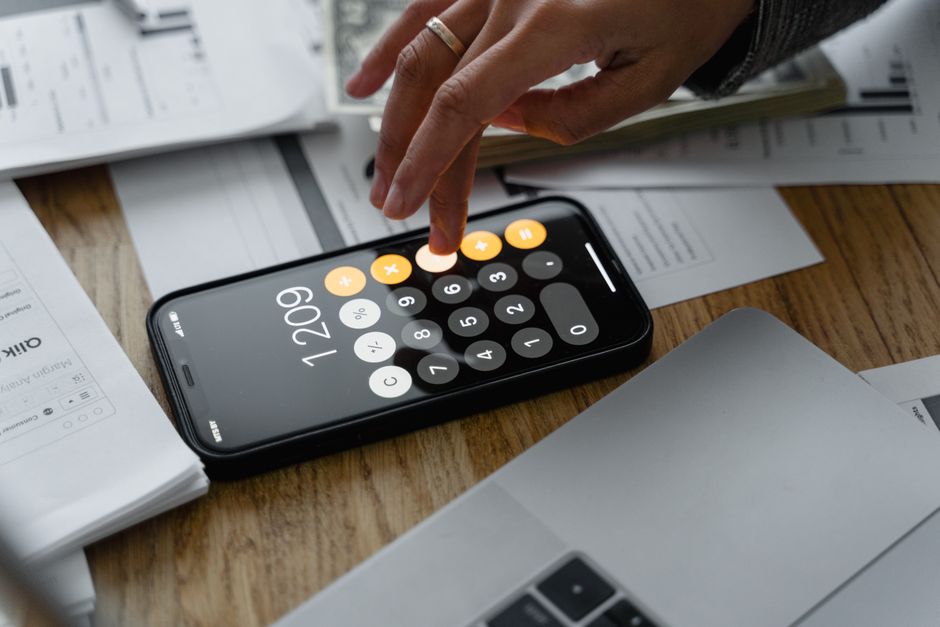
After ditching Trail Wallet, I landed on TravelSpend (free tier, premium $4.99/month). This is the app I recommend to anyone who asks. It handles multiple currencies, works offline, and has a shared budget feature for couples.
Real numbers from my trip:
- Daily budget: $40/day for Thailand
- Actual average: $37.21/day
- Time to enter a meal: ~7 seconds
The free version gives you three currency slots and basic reports. The premium adds unlimited currencies, export to CSV, and custom categories. I paid for premium after week two and never regretted it.
One annoyance: The app asks you to categorize every expense. I ended up using “Food” for 80% of entries. But the reports are clean enough that I didn’t mind.
Who should buy it
Couples and solo travelers who want a middle ground between “too simple” and “spreadsheet-level.” The shared budget feature alone is worth the premium price.
Toshl Finance — The Spreadsheet Lover’s Choice
Toshl Finance (free tier, premium $2.99/month) is overkill for most travelers. But if you’re the type who wants to see a pie chart of your transportation costs vs. food costs vs. accommodation costs, this is your app.
I tested it for a week. The setup took 20 minutes because of all the customization options. You can create tags, recurring expenses, and even photo-receipt storage. The free tier limits you to one currency, which is a dealbreaker for multi-country trips.
Verdict: Great for a single-destination trip where you want detailed analytics. Bad for backpacking through five countries in three weeks.
Goodbudget — The Envelope System for People Who Hate Apps

Goodbudget (free tier, premium $8/month) uses the old envelope method. You allocate money to virtual envelopes—”Food,” “Transport,” “Souvenirs”—and spend only what’s in each envelope. No bank sync, no credit card linking.
I used this for a week-long trip to Costa Rica. It worked fine, but the manual entry felt redundant when I was already tracking in another app. The free tier gives you 10 envelopes and one device. Premium gives you unlimited envelopes and sync across devices.
Who it’s for: Travelers who already use envelope budgeting at home and want a familiar system on the road.
Expense IQ — The Underrated Workhorse
I almost didn’t test Expense IQ (free, Android only) because the UI looks dated. That was a mistake. This app has features that paid apps don’t: photo receipts, mileage tracking, and a built-in calculator for splitting bills.
It handles multiple currencies, but the conversion isn’t automatic—you have to enter the exchange rate manually. That’s a friction point, but the app is otherwise rock solid. Battery usage was minimal, and I never had a crash.
Verdict: The best free option for Android users who don’t mind a clunky interface. Skip if you’re on iOS.
Comparison Table — Which App Should You Pick?
| App | Price | Multi-Currency | Offline | Shared Budget | Best For |
|---|---|---|---|---|---|
| Trail Wallet | $4.99 one-time | Yes | Yes | No | Solo travelers who want simplicity |
| Splitwise | Free | Yes | Yes | Yes (group debts) | Group trips (not a budget tracker) |
| TravelSpend | Free / $4.99/mo premium | Yes (3 free, unlimited premium) | Yes | Yes | Couples and serious budgeters |
| Toshl Finance | Free / $2.99/mo premium | Yes (1 free, unlimited premium) | Yes | No | Data nerds on single-destination trips |
| Goodbudget | Free / $8/mo premium | Yes | Yes | Yes (envelope sharing) | Envelope budgeters |
| Expense IQ | Free | Yes (manual rate) | Yes | No | Android users on a tight budget |
My pick: TravelSpend for 90% of travelers. Splitwise + a notebook for groups. Trail Wallet only if you’re solo and hate decision fatigue.
The One Mistake That Wrecked My Budget (And How to Avoid It)
I spent $200 on data roaming in the first week because I assumed my app would work offline. It didn’t—I had the wrong settings. Always turn on airplane mode before you enter expenses. Most apps cache data locally, but some try to sync and eat your roaming.
Another mistake: not setting a daily budget before the trip. I arrived in Bangkok with no number in my head. By the time I realized I was spending $60/day, I’d already blown a week’s worth of budget on pad thai and cocktails.
Set your budget before you leave. Even a rough number helps. $35/day in Vietnam. $50/day in Costa Rica. Adjust as you go, but start with a target.
Budget apps are tools, not magic. The best one is the one you actually open every day. For me, that was TravelSpend. For you, it might be a paper notebook. But don’t leave home without a system—your future self will thank you when you’re sipping a $1 beer in Chiang Mai instead of eating instant noodles in a hostel kitchen.