I’ve been to Kyoto six times over the last decade. I’ve made every mistake — queuing two hours for a bus, eating overpriced matcha near Kiyomizu-dera, and booking a “traditional” tea ceremony that was just a photo op. This itinerary fixes all that. It’s built for 2026, when Kyoto will be even busier than before. No filler. No tourist traps. Just the real Kyoto.
Why Most Kyoto Itineraries Fail (And How This One Doesn’t)
Most guides cram ten temples into a single day and call it “immersive.” That’s not immersion — that’s a checklist. Kyoto demands slowness. You can’t appreciate the moss garden at Saiho-ji if you’re already thinking about the next stop.
The biggest mistake? Underestimating transport. Kyoto’s bus system is efficient but slow. A 3 km ride can take 40 minutes during peak season. This itinerary groups sights by geography, not by popularity. You’ll walk more and wait less.
Another failure: ignoring meal timing. Popular restaurants like Omen (udon) or Gion Karyo (kaiseki) have queues at noon. I eat lunch at 11:00 or 13:30. Saves 45 minutes every time.
Finally, people forget that Kyoto is a city, not a theme park. Locals live here. The best experiences — a quiet temple garden, a neighborhood sake bar — aren’t on the top-10 lists. This itinerary includes those.
Day 1: The Golden Path (East Kyoto)
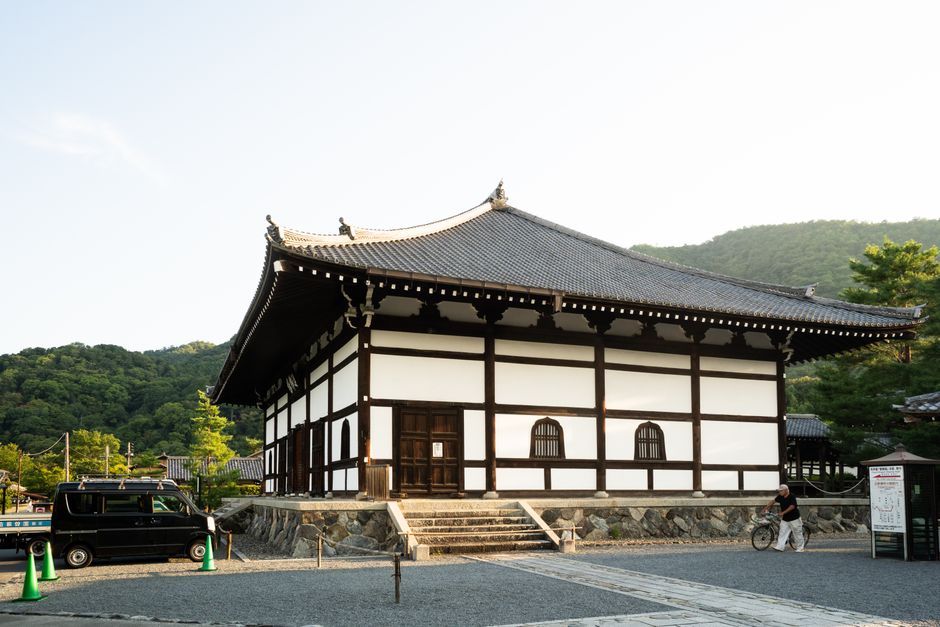
Start at Kinkaku-ji (Golden Pavilion) at 8:00 AM sharp. It opens at 9:00, but the gates open early. You’ll beat the tour buses by 45 minutes. Entry is ¥500 ($3.50). Spend 30 minutes here — the garden is small but perfect.
Walk to Ryoan-ji (15 minutes). This is the rock garden everyone photographs. Arrive by 9:30. The garden is best in morning light. Sit on the veranda for 10 minutes without talking. That’s the point. Entry: ¥600 ($4.20).
From here, take bus 59 to Nishiki Market (20 minutes). Arrive around 11:00. This is lunch. Grab a skewer of grilled scallop (¥500), a cup of yuba (tofu skin, ¥300), and a matcha soft serve (¥400). Don’t eat at the sit-down restaurants here — they’re overpriced.
Afternoon: Kiyomizu-dera. Take bus 206 from Shijo-Kawaramachi (15 minutes). The temple’s wooden stage is spectacular, but the real gem is the Otowa Waterfall below. Drink from one of the three streams — each grants a different blessing (health, wealth, love). Entry: ¥500 ($3.50).
End the day at Gion. Walk down Hanamikoji Street around 5:00 PM. You might spot a geiko (geisha) walking to an appointment. Don’t chase them — just observe from a distance. Dinner at Gion Karyo (kaiseki, ¥8,000–¥12,000 per person). Reserve two weeks ahead.
Day 2: Arashiyama — The Bamboo Forest Is a 10-Minute Stop
The bamboo grove is overcrowded by 9:00 AM. Go at 6:30 AM. I’m serious. The sun rises at 6:15 in summer, 6:45 in winter. You’ll have the path to yourself for 20 minutes. After that, it’s shoulder-to-shoulder.
From the bamboo, walk to Tenryu-ji (opens 8:30). The garden here is better than the bamboo. Entry: ¥600 ($4.20). Sit by the pond. Watch the koi. This is the Kyoto most tourists miss.
Next: Okochi Sanso villa. It’s ¥1,000 ($7) but includes matcha and a sweet in the tea house. The garden is a masterpiece — terraced hills, moss, and a view of Kyoto. Most tourists skip it. Don’t.
Lunch at Shoraian — a tofu kaiseki restaurant hidden on a hill. The set meal is ¥3,500 ($25). It’s vegetarian, seasonal, and unforgettable. Reserve a day ahead.
Afternoon: Sagano Scenic Railway. The 25-minute ride along the Hozugawa River costs ¥880 ($6). Sit on the right side going out, left side coming back. The views are stunning in autumn (November) and spring (April).
Evening: Pontocho Alley. A narrow lane with tiny bars and restaurants. Try Ishibashi for grilled eel (unagi, ¥3,000). No English menu. Point at what looks good.
Day 3: Fushimi Inari and the Philosopher’s Path
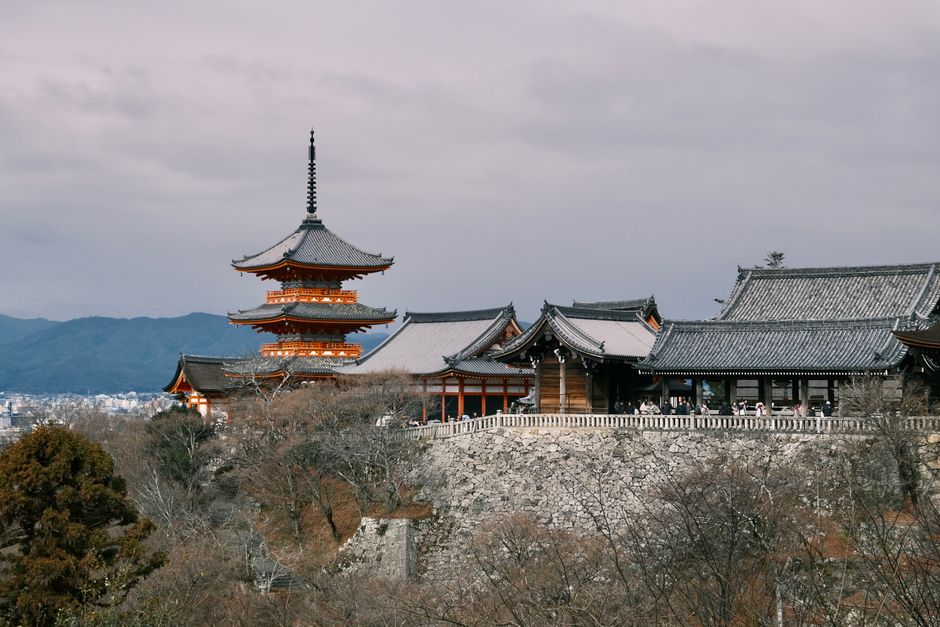
Fushimi Inari is open 24 hours. Go at 7:00 AM. The first 30 minutes are crowded, but most people stop at the first gate cluster. Keep walking. By the 30-minute mark, the crowd thins to 10% of what it is at the entrance. The full loop takes 2 hours. Do it. The views from the summit are worth the climb.
From Fushimi, take the Keihan Line to Demachiyanagi (20 minutes, ¥300). Walk the Philosopher’s Path from north to south. It’s 2 km of canal-side cherry trees, temples, and quiet. Takes 1 hour without stops.
Stop at Honen-in (free). The moss garden here is my favorite in Kyoto. Tiny, quiet, perfect. Most people walk right past it.
Lunch at Omen (near the south end of the path). Their udon in a light soy broth with vegetables is ¥1,500 ($10.50). Arrive by 11:30 to skip the line.
Afternoon: Ginkaku-ji (Silver Pavilion). Entry: ¥600 ($4.20). The garden is dry sand and moss — minimal and meditative. It’s the opposite of Kinkaku-ji’s gold. I prefer this one.
Evening: Kiyamachi for drinks. Try Bar K6 — a tiny standing bar with sake from ¥500 per glass. The owner speaks English and explains each bottle.
Day 4: Hidden Temples and Real Food
Skip the big names today. Start at Kodai-ji (entry ¥600). The bamboo grove here is smaller than Arashiyama but empty at 9:00 AM. The tea house is original — built in 1606.
Walk to Kennin-ji (10 minutes). This is Kyoto’s oldest Zen temple (1202). The ceiling painting of twin dragons is massive — 12 meters across. Most tourists don’t know about it. Entry: ¥600.
Lunch at Menbakaichidai — a fire ramen show. They pour hot oil over your bowl, and it flames up. It’s theatrical but the ramen is legit. ¥1,300 ($9). Expect a 20-minute wait.
Afternoon: Nijo Castle (entry ¥1,300). The “nightingale floors” squeak to alert guards of intruders. The paintings inside are 400 years old. Give it 90 minutes.
Final dinner: Kikunoi (reserve weeks ahead). A three-star Michelin kaiseki. The lunch course is ¥8,000 ($56) — a bargain for this level. The chef, Yoshihiro Murata, is a legend.
Practical Tips for 2026
| Item | Cost | Note |
|---|---|---|
| ICOCA card (reloadable transit) | ¥2,000 deposit + top-up | Covers buses, trains, convenience stores |
| Bus day pass | ¥700 ($5) | Worth it if you take 3+ buses |
| Pocket WiFi | ¥1,000/day ($7) | Rent at airport. Skip SIM cards — WiFi is faster |
| Taxi from Kyoto Station to Gion | ¥1,500 ($10.50) | Only if luggage-heavy. Bus is ¥230 |
| Cash needed | ¥20,000 ($140) for 4 days | Many temples and small shops don’t take cards |
Don’t buy a JR Pass for Kyoto alone. It’s ¥29,650 ($210) for 7 days. You’ll spend maybe ¥5,000 on local trains. The pass only pays off if you’re doing Tokyo–Osaka–Kyoto in one trip.
Book accommodation early. Kyoto hotels fill 3 months ahead for peak seasons (April, November, December). I use Booking.com for hotels and Airbnb for machiya (traditional townhouses). A decent machiya costs ¥15,000–¥25,000 per night ($105–$175). Worth it for the experience.
One last thing: Kyoto is a walking city. Bring comfortable shoes. I wear Hoka Clifton 9 ($145) — they absorb the cobblestones. My wife swears by On Cloud 5 ($150). Don’t wear new shoes. Break them in first.
Kyoto in 2026 will be crowded. But if you wake up early, eat local, and walk slowly, you’ll find the city that’s been here for 1,200 years — not the one on Instagram.