How does a traveler distinguish between a legitimate 18th-century palace and a modern hotel built to look like one? In Jaipur, the capital of Rajasthan, the hospitality market is saturated with properties claiming ‘royal’ status. Selecting the best hotels in Jaipur requires a systematic evaluation of historical authenticity, service standards, and geographical convenience. This guide analyzes the top-tier accommodations in the Pink City based on empirical factors such as room-to-staff ratios, proximity to UNESCO World Heritage sites, and modern infrastructure reliability.
How to Evaluate Jaipur Accommodations Based on Location and Architecture
Choosing a hotel in Jaipur is not merely about the star rating; it is about the trade-off between atmospheric immersion and logistical efficiency. The city is broadly divided into three zones for travelers: the historic Walled City (Old City), the central business districts like Bani Park, and the outlying resort corridors like Kukas. Each zone offers a distinct experience that dictates the pace of a visit.
The Distinction Between Heritage Havels and Modern Resorts
Heritage properties are typically converted ancestral homes (havelis) or former royal residences. These buildings offer thick stone walls, hand-painted frescoes, and intricate courtyard layouts. However, they frequently lack the standardized room dimensions and modern soundproofing found in purpose-built hotels. Conversely, modern luxury resorts in areas like Kukas provide expansive pool complexes and consistent HVAC systems but require a 30-to-45-minute commute to reach the Hawa Mahal or City Palace.
| Category | Best For | Key Trade-off |
|---|---|---|
| Heritage Palace | Historical immersion, central location | Variable room sizes, potential noise |
| Luxury Resort | Relaxation, large-scale amenities | Distance from city center |
| Boutique Haveli | Value, intimate service | Limited dining options, fewer facilities |
When planning a trip, consider your tolerance for urban density. The Old City is vibrant but congested. Staying in a central heritage property means you are steps away from the markets, but you will encounter significant traffic when entering or exiting the hotel grounds during peak hours (10:00 AM to 7:00 PM). Modern resorts on the Delhi-Jaipur highway avoid this congestion but necessitate higher transportation costs.
Top Luxury Heritage Hotels in Jaipur for Royal Living
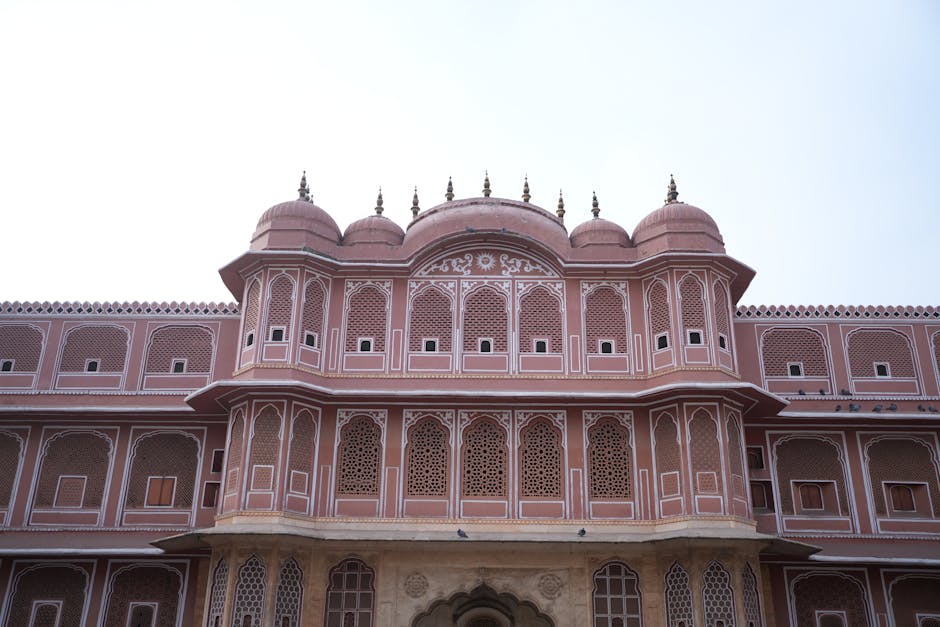
For those seeking the pinnacle of Rajasthani hospitality, two properties consistently outperform the competition in terms of historical preservation and service execution. These are not merely hotels; they are operational monuments that maintain the aesthetic of the Rajput era while integrating contemporary luxury standards.
Rambagh Palace: The Former Residence of the Maharaja
Managed by Taj Hotels, Rambagh Palace is widely regarded as the premier heritage hotel in India. Originally built in 1835, it served as the residence of Maharaja Sawai Man Singh II. The property spans 47 acres of manicured gardens, complete with roaming peacocks and marble corridors that have hosted royalty and heads of state for decades.
- Approximate Price: $650 – $1,800 per night.
- Pro: Unmatched historical authenticity and a staff-to-guest ratio that ensures personalized service.
- Con: The formal atmosphere may feel restrictive for travelers seeking a casual environment.
The rooms at Rambagh Palace are categorized into Luxury Rooms, Palace Rooms, and various historical suites. Each room features high ceilings and period furniture. The ‘Suvarna Mahal’ dining room, set in the former royal banquet hall, provides one of the most authentic thali experiences in the country. For those using international roaming services, the Wi-Fi infrastructure here is surprisingly robust for a historic building, though travelers should check with providers like O2 or Vodafone for competitive data roaming packages before arrival to avoid high surcharges in the gardens.
The Oberoi Rajvilas: Traditional Architecture with Modern Precision
Unlike Rambagh, The Oberoi Rajvilas was built from the ground up to resemble a traditional Rajasthani fort. This allows for a level of architectural consistency that historical conversions sometimes lack. The property is situated on 32 acres of land and is famous for its luxury tents, which are inspired by the era of royal caravans.
- Approximate Price: $600 – $1,200 per night.
- Pro: Exceptional privacy and meticulously maintained grounds.
- Con: Located approximately 8 kilometers from the city center, making spontaneous trips to the markets less convenient.
The Oberoi brand is synonymous with precision. Every detail, from the temperature of the private pools to the timing of the evening flute performances, is managed with clinical accuracy. This is the choice for travelers who prioritize tranquility and flawless service over direct access to the city’s bustle.
Best Modern Luxury Resorts and Business Hotels in Jaipur
While heritage stays are the primary draw, Jaipur has seen an influx of high-end modern resorts that cater to a different demographic: those who want the Rajput aesthetic without the architectural quirks of an old building. These properties are often the venue for high-profile weddings and corporate retreats.
Fairmont Jaipur: Grandeur on the City’s Periphery
Located in Kukas, the Fairmont Jaipur is a massive structure designed to look like a Mughal palace. It features 245 rooms and is one of the largest luxury properties in the region. The design incorporates ‘charbagh’ gardens and a stunning central courtyard where evening cultural programs are held.
- Approximate Price: $220 – $480 per night.
- Pro: Massive pool area and excellent buffet dining at Zoya.
- Con: The location requires a significant commute to reach the main tourist attractions.
The Fairmont is particularly strong in its culinary offerings. The property balances traditional Rajasthani flavors with international cuisine, making it a safe choice for families or business travelers. Given the property’s size, it is advisable to book through platforms that offer travel protection. Comprehensive travel insurance, such as those offered by AXA or similar providers through financial service aggregators, is recommended when booking non-refundable luxury stays in India to mitigate risks associated with travel disruptions.
JW Marriott Jaipur Resort & Spa: Contemporary Comfort
The JW Marriott offers a blend of white marble architecture and modern minimalism. It is located near the Fairmont in the Kukas area. The resort is designed around the concept of ‘leisure luxury,’ with a heavy emphasis on its spa facilities and plunge-pool villas.
- Approximate Price: $250 – $500 per night.
- Pro: Modern, airy room designs and a very high standard of cleanliness.
- Con: Can feel more like a high-end international hotel than a uniquely Indian experience.
For travelers who find the dark wood and heavy textiles of heritage hotels oppressive, the JW Marriott is a refreshing alternative. The ‘Royal Pool Villa’ is a standout category, offering private outdoor space that is rare in more centrally located properties. If you are planning to document your stay with high-resolution video, ensure your photography gear is packed in durable, TSA-approved luggage—brands like Samsonite or American Tourister frequently offer deals on retail sites that are essential for protecting sensitive electronics during domestic Indian flights.
Boutique Stays and Value-Oriented Heritage Properties
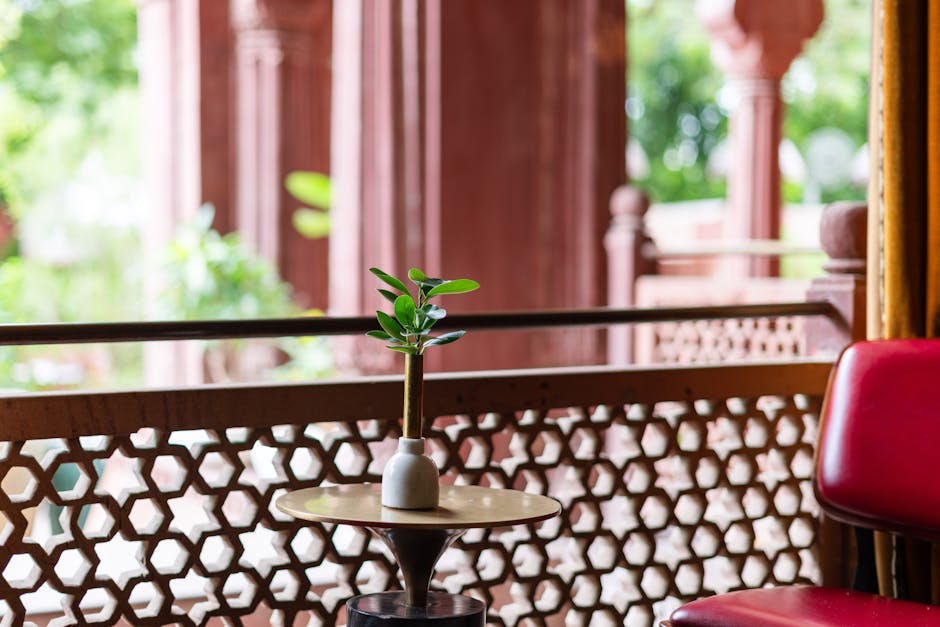
You do not need to spend $600 a night to experience Jaipur’s architectural beauty. Several mid-range boutique hotels offer a high degree of charm and service at a fraction of the cost of the major palaces. These are often the best hotels in Jaipur for long-stay travelers or those who prefer a more intimate atmosphere.
Samode Haveli: A Hidden Sanctuary in the Old City
Samode Haveli is an urban oasis. Tucked away in a quiet corner of the Walled City, this former royal residence features some of the most beautiful hand-painted murals in Jaipur. The swimming pool, surrounded by daybeds and arches, is arguably one of the most photogenic spots in the city.
- Approximate Price: $160 – $280 per night.
- Pro: Incredible atmosphere and central location.
- Con: Because it is an old building, some rooms are smaller and have less natural light than others.
Staying at Samode Haveli allows you to walk to many local attractions, though the narrow lanes leading to the hotel can be intimidating for first-time visitors. The service is warm and less formal than at the Taj or Oberoi properties, which many travelers find more relaxing. It is a highly efficient choice for those who want to maximize their time sightseeing without sacrificing the ‘palace’ feel.
Shahpura House: Reliable Mid-Range Heritage Luxury
Located in the Bani Park residential area, Shahpura House is a family-run heritage hotel that has expanded over the years to meet modern demands. It offers a rooftop restaurant with views of the city and a decent-sized pool.
- Approximate Price: $110 – $190 per night.
- Pro: Excellent value for money and a quieter location than the Old City.
- Con: The property has been heavily renovated, and some of the newer sections lack the patina of the original house.
Shahpura House is frequently recommended for its reliability. The rooms are clean, the air conditioning is effective, and the staff is accustomed to international tourists. It serves as an excellent base for those who plan to spend most of their day exploring and only need a comfortable, atmospheric place to sleep.
Essential Travel Logistics: Connectivity, Insurance, and Gear for Rajasthan
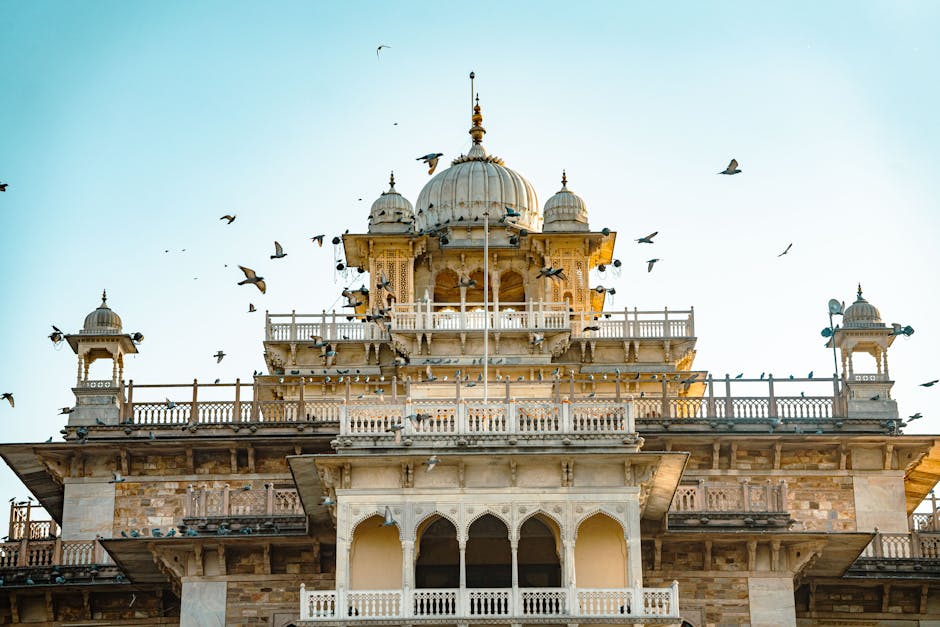
Visiting Jaipur involves more than just selecting a hotel. The environment is harsh—extreme heat in the summer and surprisingly cold nights in the winter—and the infrastructure can be challenging for the unprepared. To ensure a seamless experience at any of the best hotels in Jaipur, certain logistical preparations are mandatory.
Staying Connected with International Data Plans
While all luxury hotels offer Wi-Fi, the reliability of these networks can fluctuate during power outages or high-traffic periods. Furthermore, navigating the Jaipur markets requires a dependable mobile data connection for GPS. Travelers should compare international roaming plans from providers like EE or Lebara. Alternatively, purchasing a local SIM card at the airport is cost-effective, though it requires a passport copy and a photograph. Having a backup data source ensures you can use ride-sharing apps like Uber or Ola, which are far more reliable and transparent in pricing than local auto-rickshaws.
Protecting Your Trip with Comprehensive Travel Insurance
India is a destination where travel insurance is not optional—it is a necessity. From minor gastrointestinal issues to flight cancellations due to seasonal fog in North India, the potential for disruption is real. When booking high-value stays at places like the Rambagh Palace, ensure your policy covers ‘Cancel for Any Reason’ (CFAR) or at least provides significant medical coverage. Many credit card providers offer basic insurance, but specialized plans from Allianz or AXA provide higher limits and better support for international travelers. This is a critical financial safeguard for any luxury itinerary.
Packing Essentials for the Rajasthan Climate
The Jaipur sun is intense. Even if you are staying in a climate-controlled resort, you will spend hours at the Amber Fort or Jantar Mantar. High-quality sun protection, breathable linen clothing, and sturdy walking shoes are essential. Retailers like Marks & Spencer or John Lewis offer seasonal travel collections that are ideal for the Indian climate. Additionally, a high-capacity power bank is recommended, as the extensive use of GPS and cameras will drain phone batteries quickly during long day trips.
Pro Tip: Always carry a physical copy of your hotel booking and passport, as security at many high-end properties and historical sites may request them for verification.
Ultimately, the best hotel in Jaipur is the one that aligns with your logistical needs. If you have a limited window of 48 hours, stay in a central heritage haveli like Samode Haveli to minimize travel time. If you are looking for a four-day retreat to recover from a busy India itinerary, the sprawling grounds of the Fairmont or Oberoi Rajvilas offer the necessary sanctuary. By analyzing the city’s hospitality landscape through this data-driven lens, travelers can avoid the marketing ‘noise’ and secure an accommodation that provides genuine value and comfort.