Most safety advice for solo women in South America is useless. “Don’t walk alone at night” — great, now what? You need specifics. Where to stay, what to carry, how to handle a bad situation when it happens. This guide covers the real tactics that 12+ years of solo female travelers actually use. Not fear-mongering. Just what works.
Stop Booking the Cheapest Hostel — Here’s Why
Budget hostels in South America can save you $5 a night. They can also land you in a room with a broken lock, no staff after 10 PM, and a location two blocks from a known drug corner. Your safety starts with where you sleep.
What to look for in a hostel booking
Filter for 24-hour reception. If something feels off at 2 AM, you need someone at the desk. Check recent reviews specifically from solo women — not the overall rating. A 9.2 rating can hide three reports of creepy staff behavior. Look for hostels with individual lockers big enough for your daypack. The Selina chain (locations in Lima, Buenos Aires, Cartagena) consistently has good security and female-only dorms. Expect to pay $15–$25 per night for a dorm bed in a safe hostel. The $8 option is rarely worth the risk.
The one booking mistake solo women make
Booking a private room in a party hostel. You get the worst of both worlds: you pay more, but the noise and drunk guests mean the front desk is useless at handling issues. Pick a quiet hostel or a proper hotel. Boutique hostels like Viajero (Colombia, Peru, Ecuador) balance price and safety well.
The Three Things You Must Carry Every Day
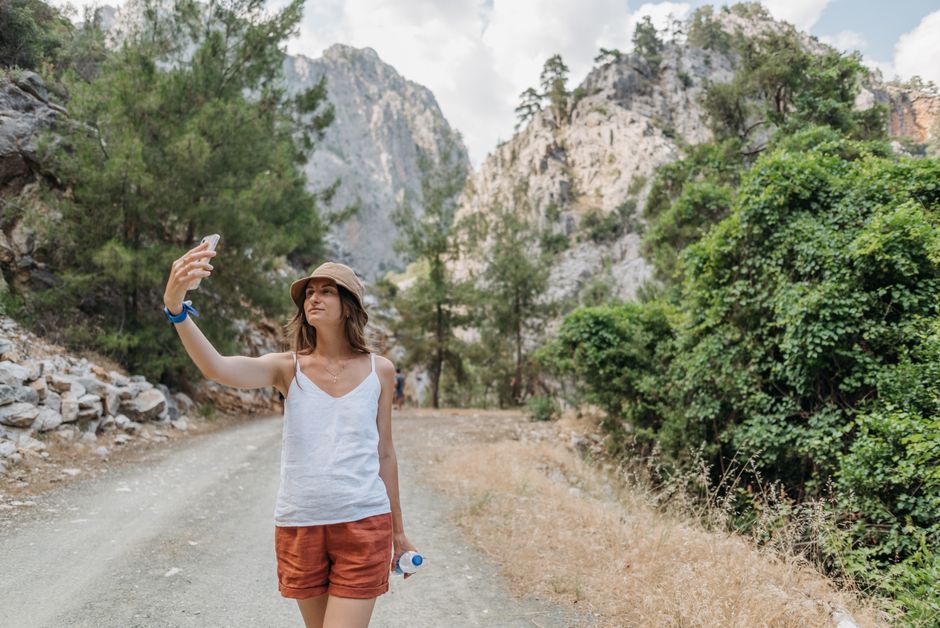
This isn’t a packing list. These three items directly reduce your risk of theft or worse.
- A decoy wallet: An old wallet with $20 in local currency and expired cards. Hand it over if you’re robbed. Keep your real cash and cards in a money belt under your clothes.
- A portable door lock: The Addalock ($15) or a simple rubber door wedge. Works on any inward-opening door. Hostel staff have keys. This stops anyone from using them.
- A local SIM with data: Google Maps, WhatsApp, and Uber work everywhere. Buy a Claro or Movistar SIM at the airport ($5–$10 for 5GB). You can call your hostel or a taxi without relying on WiFi. The Airalo eSIM ($12 for 3GB) works if your phone is unlocked and you don’t want to swap SIMs.
That’s it. No pepper spray (illegal in many countries), no whistle (attracts attention, doesn’t help), no “personal alarm” (annoying, not effective). Practical items that solve real problems.
Which Countries Are Actually Safe for Solo Women?
South America isn’t one safety level. Some places are fine. Others require serious caution. Here’s the honest breakdown.
| Country | Safety Level for Solo Women | Main Risk | Best Area to Start |
|---|---|---|---|
| Chile | High | Petty theft in Santiago | Patagonia (Puerto Natales, Torres del Paine) |
| Argentina | Medium-High | Pickpocketing in Buenos Aires | Salta, Mendoza, Bariloche |
| Uruguay | High | Minimal | Colonia del Sacramento, Punta del Este |
| Peru | Medium | Scams in Cusco, taxi theft in Lima | Sacred Valley (away from Cusco center) |
| Colombia | Medium | Express kidnappings via dating apps, drugged drinks | Salento, Minca, Cartagena (walled city) |
| Brazil | Low-Medium | Armed robbery, favela zones | Florianópolis, Paraty (avoid Rio solo at night) |
| Venezuela | Very Low | Extreme crime, police corruption | Do not go as a solo female traveler |
Start in Chile or Uruguay if you’re new to solo travel in this region. They’re safer, easier to navigate, and give you confidence before you head into trickier spots.
The #1 Scam Targeting Solo Women (and How to Avoid It)
The “friendly local” approach. A man approaches you in a café or on the street, speaks good English, offers to show you a “local spot” or invites you for a drink. This is the setup for express kidnapping — they take you to an ATM and force you to withdraw cash, or they drug your drink and rob you. This happens daily in Cusco, Lima, Buenos Aires, and Medellín.
How to handle it: Be rude. Solo women are socialized to be polite. Ignore that instinct. A firm “No, thank you” with no smile. If they persist, walk into the nearest shop or café. Do not let them buy you a drink. Do not accept a map or a “free” tour from a stranger on the street. Legitimate tours are booked through your hostel or a reputable company like Bamba Travel or Intrepid Travel.
Transport: The Riskiest Part of Your Trip
Buses, taxis, and rideshares are where most theft and harassment happen. You’re trapped with a stranger behind the wheel.
Buses
Overnight buses are common in South America. Use Cruz del Sur (Peru) or Pullman (Chile) — they have secure luggage storage and onboard security. Never store your daypack in the overhead bin. Keep it at your feet with the strap around your leg. Sleep with your valuables inside your sleeping bag or under your jacket. Theft from sleeping passengers is the #1 bus crime.
Taxis and rideshares
Never flag a taxi on the street. Use Uber or Cabify — they track the ride and share your location. In cities where Uber is blocked (some parts of Colombia), use the hotel’s taxi service. Before getting in, take a photo of the license plate and send it to a friend or family member. This alone deters most drivers from trying anything.
What to Do If You Feel Unsafe Right Now
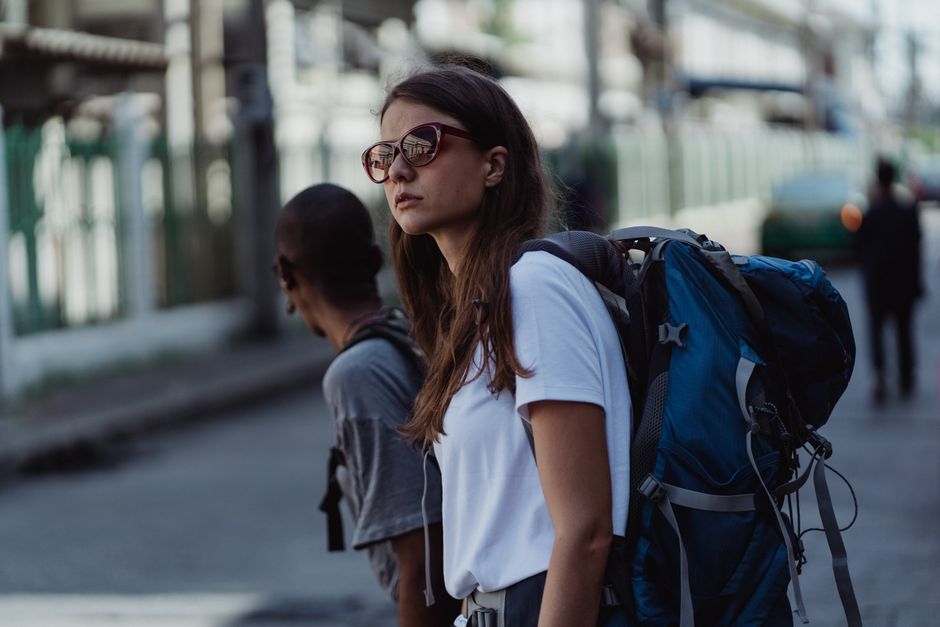
Your gut is smarter than your brain in unfamiliar places. If a situation feels wrong, act immediately.
- In a hostel dorm: If a male guest or staff member makes you uncomfortable, talk to the manager immediately. If they dismiss it, pack your bag and leave. Hostelworld allows same-day cancellations for safety reasons — call their support line.
- On the street: If you’re being followed, cross the street. If they cross too, enter the nearest business — a restaurant, a pharmacy, a hotel lobby. Ask the staff to call a taxi. Do not go to your accommodation if you’re being followed.
- In a taxi: If the driver takes a wrong turn or locks the doors, call 911 (or the local emergency number — save it in your phone before the trip). Pretend to be on the phone with someone who knows your location. Say “I’m almost there, the driver is taking [street name].” Most scammers abandon the plan when they think you’re connected.
Your phone is your best safety tool. Keep it charged and accessible. A Anker PowerCore 10000 ($25) fits in any pocket and gives two full charges.
You Don’t Need to Be Fearless. You Need to Be Prepared.
Solo travel in South America is not a death wish. Millions of women do it every year. The difference between a great trip and a nightmare is preparation, not luck. Book smart accommodation. Carry a decoy wallet. Use Uber. Trust your gut. That’s the whole system. You don’t need to be brave. You need to be smart. And now you are.