Planning a family trip to Europe often triggers a specific kind of anxiety. You see the photos of Paris and London, then you check hotel prices for a family of four and close the browser. The fundamental problem is not that Europe is expensive—it’s that the most famous cities are expensive. This article identifies five cities where your currency goes further, the locals welcome children, and the public transit actually works. These are not hidden gems. These are proven, affordable destinations that deliver real value.
Krakow, Poland: Medieval Castles and Pierogi for Pocket Change
Krakow is the strongest candidate for a budget family trip in Europe. A family of four can eat a full meal at a traditional milk bar (Bar Mleczny) for under €20. The main square, Rynek Główny, is one of the largest medieval squares in Europe and is entirely pedestrianized. Children can run freely while parents enjoy coffee for €2.
What makes it work for families
The Wawel Castle complex charges no admission for children under 7, and family tickets for the state rooms cost roughly €12. The Vistula River boulevard offers bike rentals (€3 per hour) and playgrounds every 500 meters. The Wieliczka Salt Mine, a 30-minute bus ride away, has a special children’s tour route with animatronic miners and underground lakes. Most hotels in the Old Town offer family rooms for €60-80 per night.
The failure mode to avoid
Do not stay outside the city center to save €15 per night. The bus commute with tired children will cancel out any savings. Pay the extra for a family room within walking distance of Rynek Główny. Also, skip the main square restaurants—they charge 3x the price for the same pierogi you get two blocks away.
| Expense | Krakow (€) | Paris (€) |
|---|---|---|
| Family meal (4 people) | 18-25 | 60-85 |
| Hotel family room (avg/night) | 65 | 180 |
| Museum family ticket | 12 | 35 |
| Public transport day pass (family) | 6 | 22 |
Krakow is the clear winner for families who want history, good food, and low prices. The city is compact, safe, and built for walking.
Porto, Portugal: River Views and Pastéis de Nata
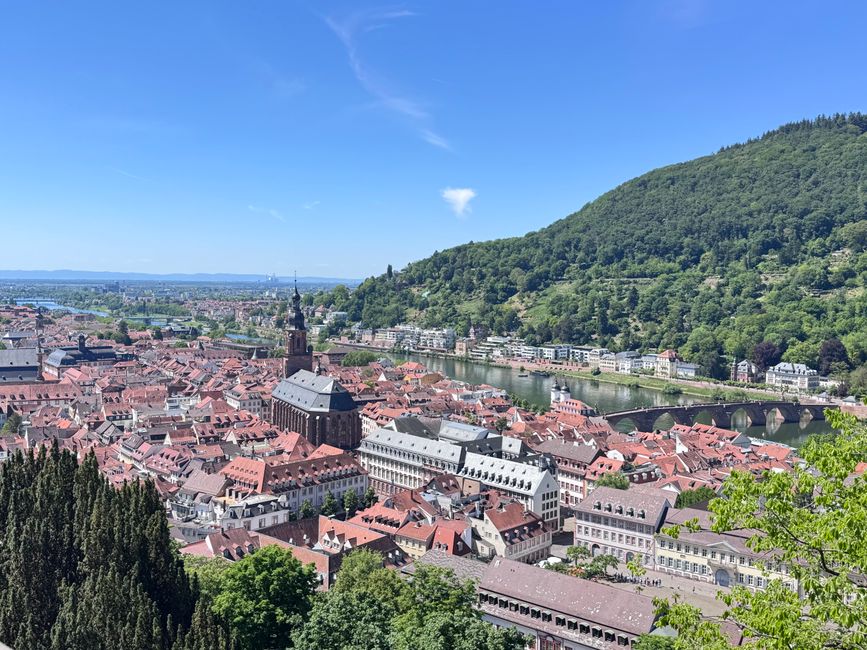
Porto sits on the Douro River and offers a completely different vibe from Lisbon—quieter, cheaper, and more relaxed. The city is steeped in port wine history, but for families, the real draw is the riverfront. Children love the cable car (€6 round trip) that runs from the Ribeira district to the upper gardens. The gardens themselves are free and have excellent playgrounds.
The Livraria Lello bookstore is famous, but skip the €5 entry fee with a long queue. Instead, take the kids to the World of Discoveries interactive museum. It costs €10 for adults, €7 for children, and features animatronic explorers and a boat ride through simulated storms. It is educational and genuinely fun for ages 5-12.
Food costs are low. A pastel de nata costs €1.20. A francesinha sandwich (a local specialty) costs €8 and will feed two adults. The public transit system is modern and includes a tram line that runs along the river. A family day pass costs €7.
Porto works best for families with children under 10. The hills are steep, so bring a sturdy stroller or plan to use the funiculars. The city is safe to walk at night, and most restaurants have high chairs and children’s menus.
Ljubljana, Slovenia: A Green City Designed for Walking
Ljubljana is the smallest capital city on this list, and that is its strength. The city center is a car-free zone. Children can walk, bike, or scoot along the Ljubljanica River without any traffic danger. The city has won multiple European awards for sustainable urban design.
The Ljubljana Castle sits on a hill and can be reached by a funicular (€4 round trip for adults, €2.50 for children). The castle grounds are free to explore, and the tower offers a 360-degree view of the Alps on clear days. The Tivoli Park is a 10-minute walk from the center and includes a pond with swans, a massive playground, and a greenhouse cafe.
Ljubljana is ideal for families who want a slower pace. You can see the entire city in two days without rushing. The food scene is underrated: try the burek (savory pastry) from a bakery for €2. Hotel prices average €70-90 per night for a family room.
A common mistake is treating Ljubljana as a one-day stop on the way to Lake Bled. Stay three nights minimum. The city has a relaxed rhythm that rewards longer stays. The local bus to Lake Bled costs €2.50 and takes 45 minutes.
Budapest, Hungary: Thermal Baths and Ruin Bars (Kid-Friendly Versions)
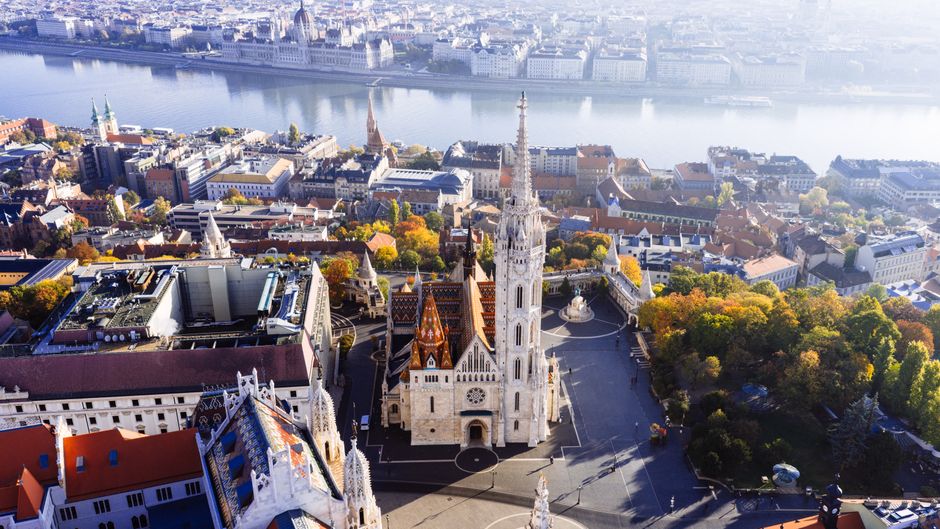
Budapest is split by the Danube into Buda and Pest. For families, Pest is the practical base. The city offers the Széchenyi Thermal Bath, which is a massive outdoor pool complex. Children under 6 enter free, and a family ticket costs €25. The warm water and outdoor chess boards keep kids entertained for hours.
The Budapest Zoo is one of the oldest in Europe and costs €12 for adults, €8 for children. It is well-maintained and includes a petting zoo. The Danube River cruise companies offer 60-minute rides for €8 per adult, half price for children. The views of the Parliament building lit up at night are spectacular.
Public transport is efficient. The metro line M1 is a UNESCO World Heritage site and the second oldest underground railway in the world. A 72-hour family travel card costs €15 and covers all buses, trams, and metros.
Budapest is the best option for families with teenagers. The ruin bar district (Jewish Quarter) has converted courtyards with food trucks and outdoor seating that are family-friendly during the day. The Central Market Hall is a covered market where you can buy paprika, salami, and fresh fruit. A full meal of goulash and dumplings costs €6.
Riga, Latvia: Art Nouveau Architecture and Baltic Beaches
Riga is the most affordable city on this list. A family of four can eat at Lido, a local chain that operates like a food hall, for under €15. The Old Town is compact and cobblestoned. The House of the Blackheads is a stunning Gothic building that costs €6 to enter and includes a children’s audio guide.
The Riga Central Market is housed in five former Zeppelin hangars. It is a sensory experience—children love the fresh bread, the pickles, and the smoked fish. A bag of fresh berries costs €2. The market is also where you can buy cheap souvenirs like amber jewelry for €5.
Riga shines in summer. A 20-minute bus ride takes you to Jurmala, a Baltic Sea resort town with white sand beaches and shallow water. The beach is free. The town has a pedestrian street with ice cream shops and trampoline parks. Hotel prices in Riga average €50-70 per night for a family room.
One warning: the winters are dark and cold. Visit between May and September for the best experience. The city is very safe, and English is widely spoken.
Practical Advice for Booking Your Trip

These five cities share a common advantage: they are not on the typical American tourist circuit. This means hotels, food, and attractions cost 40-60% less than in Paris or Rome. Book flights through a budget carrier like Ryanair or Wizz Air, which operate frequent routes to all five cities. Always check baggage fees—they can double the ticket price for a family.
Consider purchasing a local SIM card or eSIM for navigation. Data roaming charges add up quickly, and walking with a paper map while managing children is frustrating. A local data plan costs €10-15 for a week and lets you use Google Maps and translation apps freely.
Finally, buy travel insurance. Medical emergencies abroad are expensive. A family policy for a one-week trip costs €30-50. It is not optional.
The core argument is simple: you do not need to spend €300 per night on a hotel to give your children a meaningful European experience. These five cities prove that affordability and quality are not mutually exclusive. Choose one. Book it. Go.