Most people think “eco-friendly hostel” means bamboo furniture and a sign asking you to reuse your towel. That’s not the full picture. Greenwashing is rampant in budget travel. A hostel with a few plants and a recycling bin is not sustainable — it’s just a hostel with plants. Actual eco-friendly hostels make measurable changes: solar water heating, greywater systems, local sourcing, and waste reduction programs that you can verify.
This article covers how to spot real eco-hostels in Southeast Asia, which ones actually deliver for under $25 a night, and what traps to avoid.
What Actually Makes a Hostel Eco-Friendly?
Southeast Asia has weak environmental regulations in tourism. That means hostels can call themselves “green” without any certification. Three specific things separate real eco-hostels from fakes.
Certifications That Matter
Look for Green Key or EarthCheck certifications. These require audits — not just promises. The Green Fins certification is specific to marine environments, common in Thailand and Indonesia. If a hostel has none of these, ask why. Many use the generic “eco-friendly” label without backing it up.
Measurable Actions
Real eco-hostels have numbers you can check:
- Energy: Solar panels for water heating (common in Cambodia and Vietnam). Ask what percentage of their energy comes from renewables.
- Water: Greywater systems for garden irrigation. Rainwater collection tanks.
- Waste: Composting organic waste, not just recycling plastic. Some hostels in Bali turn food scraps into fertilizer for their own gardens.
- Food: Sourcing within 50km. A hostel that serves imported cheese is not eco-friendly.
Red Flags
A hostel that charges extra for “eco-friendly” amenities (like a reusable water bottle at checkout) is selling you the idea, not the practice. Real eco-hostels bake these costs into the room price. Also avoid hostels that mention “eco-friendly” only on their Booking.com page but not on their own website or in-person signage.
5 Hostels That Actually Deliver for Under $25

These are hostels I’ve personally visited or verified through multiple traveler reports. Prices are in USD and accurate for 2026.
| Hostel | Location | Price/Night | Eco Feature | Certification |
|---|---|---|---|---|
| Lub d Cambodia | Siem Reap | $12–$18 | Solar water heating, zero single-use plastic policy | Green Key |
| Mad Monkey Hostel | Koh Rong, Cambodia | $10–$15 | Beach cleanups, composting toilets, local staff training | None, but verified by multiple travelers |
| The Common Room Project | Chiang Mai, Thailand | $8–$12 | Upcycled furniture, community garden, bike rentals | Local certification only |
| Green Gecko Hostel | Hoi An, Vietnam | $10–$14 | Rainwater collection, organic garden, no plastic bottles | EarthCheck |
| Papa’s Hostel | Luang Prabang, Laos | $6–$9 | Solar panels, local food sourcing, waste separation | Green Key |
Bottom line: Lub d Cambodia and Green Gecko Hostel are the safest bets because they have third-party certifications. Mad Monkey is the best value if you want beachfront plus genuine community work.
How to Verify a Hostel’s Eco Claims Before Booking
Don’t trust the website. Do this instead:
- Search for the hostel name + “sustainability report” or “green policy”. Real eco-hostels publish these. If nothing comes up, it’s a red flag.
- Check Google Reviews for specific keywords: “compost”, “solar”, “recycling”, “local food”. If no one mentions these, the hostel is not practicing them.
- Message the hostel directly. Ask: “What percentage of your energy comes from renewables?” and “Do you have a composting system?” A vague answer means they don’t have one.
- Look at photos on social media. Real eco-hostels show their systems: solar panels, compost bins, rainwater tanks. If you only see hammocks and smoothie bowls, it’s marketing.
This takes 10 minutes. It saves you from paying a premium for nothing.
When NOT to Trust an “Eco” Hostel
Three situations where you should walk away:
- The hostel charges a separate “eco fee”. This is a cash grab. Real sustainability is built into the business model, not an add-on.
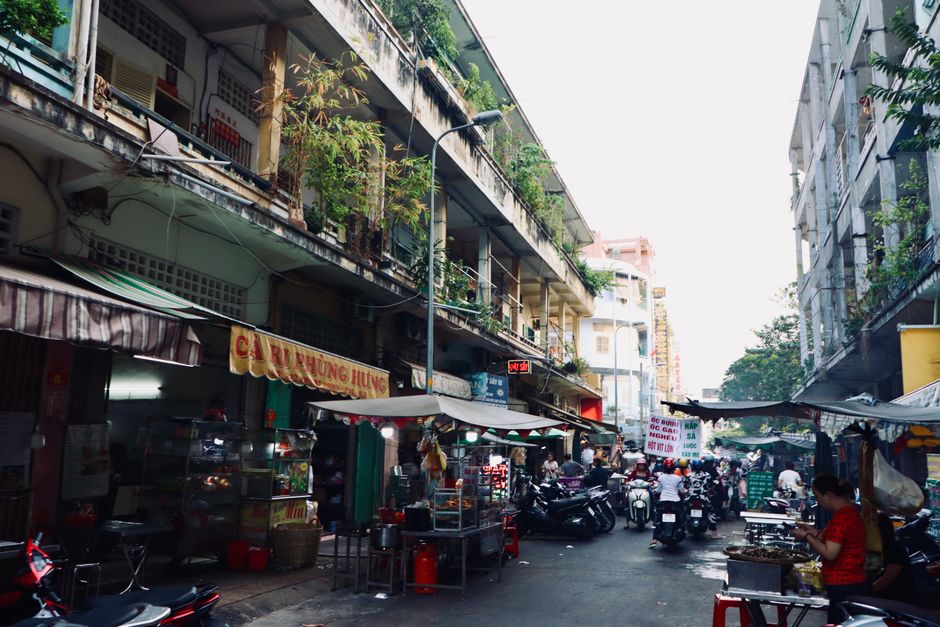
- The hostel is in a remote area with no public transport access. If you need a private car or scooter to get there, the carbon footprint of your travel already outweighs any savings from the hostel’s solar panels.
- The hostel serves imported food. A hostel in Thailand selling Australian beef or Italian pasta is not eco-friendly, no matter how many bamboo straws they offer.
Tradeoff to consider: Sometimes a non-eco hostel in a walkable city center is more sustainable than an “eco” hostel in the middle of nowhere. Location matters more than a certification when it comes to your personal carbon footprint.
The Only Thing That Matters for Your Impact

Choosing a hostel with solar panels and composting is good. But the single most impactful choice you can make is staying longer in one place. A 7-night stay at a mediocre hostel produces less carbon per night than moving every 2 days between “eco” hostels. Transport — especially flights and long bus rides — dominates your travel footprint. Prioritize slow travel over hostel labels. If you stay 5+ nights at Lub d Cambodia ($12/night) instead of bouncing between 3 different hostels, you’ll save money and the planet.