You’ve seen the 2019 blog posts: $15 a day in Chiang Mai, $2 noodle bowls in Hanoi, $5 guesthouses in Luang Prabang. You’re planning a trip for 2026, and you’re wondering if those numbers are still real. I looked at current prices across Thailand, Vietnam, Laos, Cambodia, and Indonesia to find out. The short answer: yes, it’s still affordable, but the baseline has shifted. Here’s the data.
What $50 Actually Gets You Per Day in 2026 (Country by Country)
The old $30/day backpacker budget is tight in 2026. Inflation hit tourism hotspots. But $50/day still covers a private room, three meals, local transport, and one paid activity. Here’s the breakdown per country.
| Country | Dorm Bed (USD) | Private Room (USD) | Street Meal (USD) | Local Bus (USD) | Daily Total (budget) |
|---|---|---|---|---|---|
| Thailand | $8–12 | $18–25 | $2–3 | $1–2 | $35–45 |
| Vietnam | $5–8 | $12–18 | $1.50–2.50 | $0.50–1 | $25–35 |
| Laos | $4–7 | $10–15 | $1.50–2 | $0.50–1 | $20–30 |
| Cambodia | $5–8 | $12–18 | $2–3 | $0.50–1 | $25–35 |
| Indonesia (Bali) | $8–14 | $20–30 | $3–5 | $1–2 | $40–55 |
Vietnam and Laos remain the cheapest. Thailand’s popular islands (Koh Phi Phi, Koh Samui) push the daily cost closer to $55 if you want a beachfront bungalow. Bali’s Canggu area is now as expensive as Bangkok.
Where Your Money Goes Further (and Where It Doesn’t)
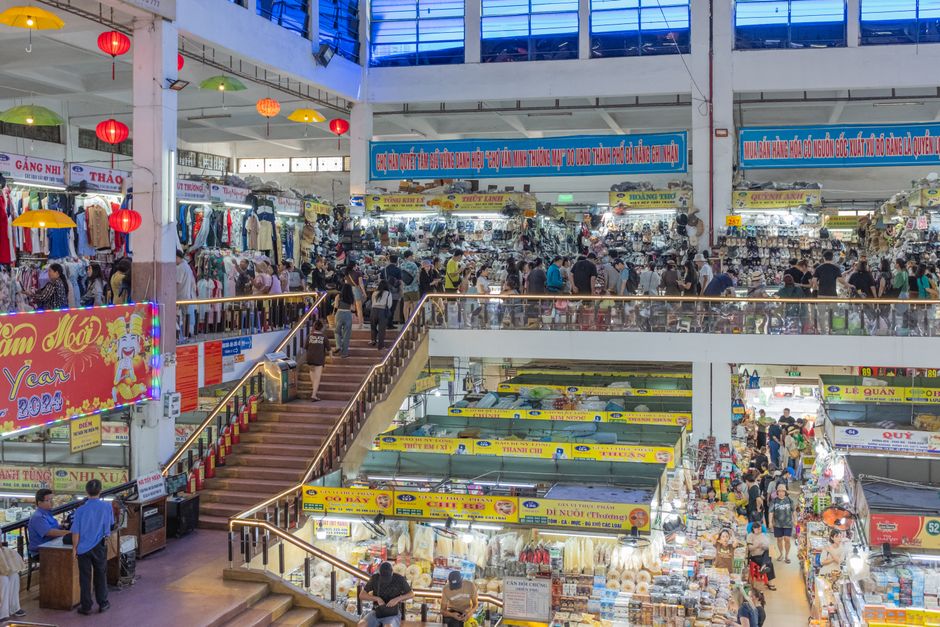
Not all destinations in Southeast Asia are equal. Some places have gotten noticeably more expensive. Others stayed cheap.
The Price Spikes: Bangkok, Bali, and Railay Beach
Bangkok’s Khao San Road area: a private room in a basic guesthouse now runs $22–30. In 2019, that was $12–18. Bali’s Canggu: a decent private room near the beach costs $28–40. Railay Beach in Thailand doubled accommodation prices since 2026. These spots are still cheaper than Europe, but the gap is closing.
The Sweet Spots: Northern Vietnam, Central Laos, and Sumatra
Hanoi’s Old Quarter still has $10 private rooms. Sapa homestays run $8–12 including dinner. Luang Prabang in Laos remains a bargain: $6 dorms, $1.50 noodle soup. Sumatra’s Bukit Lawang and Lake Toba are almost untouched by inflation — $5 guesthouses and $3 meals.
One mistake backpackers make: assuming all of Thailand is cheap. It’s not. Phuket and Koh Samui are resort-priced. Stick to the north and lesser-known islands like Koh Lanta or Koh Yao Noi.
Transport Costs: The Hidden Budget Killer
Flights between countries and islands eat into your budget fast. A Bangkok-to-Chiang Mai bus costs $10. A flight from Bangkok to Bali costs $120–180. That’s a week of budget accommodation.
Domestic flights within Indonesia are surprisingly expensive in 2026. A one-way from Jakarta to Lombok runs $70–100. Overnight trains in Vietnam are the best value: $15–25 for a soft sleeper from Hanoi to Da Nang. Use 12Go Asia for bus and train bookings — they show real-time prices.
For long-haul flights into the region, book through Skyscanner and look for routes into Bangkok, Kuala Lumpur, or Singapore. Those hubs have the cheapest connections to smaller cities.
Food Budget: Eat Where Locals Eat
Street food is still the backbone of the budget. In Vietnam, a bowl of pho costs $1.50–2. In Thailand, pad thai from a cart runs $2. In Malaysia, nasi lemak is under $1.50. These prices haven’t moved much because local demand keeps them stable.
The trap is tourist restaurants. On Khao San Road, the same pad thai costs $6. Walk two streets over to Soi Rambuttri — $2.50. Same food, same quality.
Indonesia is the outlier. Bali’s warungs still serve $3 nasi goreng, but Western cafes in Canggu charge $8–12 for avocado toast. Skip them. Eat at local food courts (pasar malam) and save $5–8 per meal.
Visa Costs and Hidden Fees in 2026
Visa fees are a real expense that catches people off guard. Thailand offers 30-day visa-free entry for most nationalities. Vietnam requires a visa: the e-visa costs $25 for 30 days. Cambodia’s visa on arrival is $30. Laos charges $35 for a 30-day visa.
Indonesia’s visa-free entry ended for many countries in 2026. You now need a B1 visa on arrival for $35. Overstaying by even a day costs $35–50 per day in some countries. Set a calendar reminder.
One more hidden cost: ATM fees. Most local ATMs charge $2–5 per withdrawal. Your home bank may charge another fee. Withdraw larger amounts less often. A $5 fee on a $50 withdrawal is 10%. On a $200 withdrawal, it’s 2.5%.
When the Budget Breaks: Common Failure Modes
Three things wreck a backpacker budget in Southeast Asia.
- Drinking every night. A beer in Bangkok costs $2–3. In Bali, $4–5. Five beers a night adds $15–25 to your daily spend. That’s 30–50% of your budget.
- Booking last-minute accommodation. Walk-in rates for private rooms are often double the online price. Book 2–3 days ahead on Agoda or Hostelworld.
- Taking too many flights. A bus from Bangkok to Chiang Mai costs $10. A flight costs $35–50. The bus takes 10 hours. The flight takes 1.5 hours plus airport time. The bus wins on cost, but loses on time. Pick based on your priority.
If you’re on a strict $30/day budget, skip Thailand’s islands entirely. Stick to Vietnam, Laos, and Cambodia. You’ll get more days for your money.
My Honest Verdict for 2026
Southeast Asia is still affordable for backpackers. But the definition of affordable changed. You need $40–50 per day for a comfortable trip with a private room, three meals, and one activity. You can do $30/day if you stay in dorms, eat street food, and skip paid attractions. You cannot do $15–20/day anymore unless you’re camping or couchsurfing.
Vietnam and Laos offer the best value. Thailand and Indonesia require smarter choices. Avoid tourist traps, book transport in advance, and eat where locals eat. The region is still cheaper than Central America or Eastern Europe, and the experience — temples, beaches, food, people — is unmatched.
For a 30-day trip, budget $1,200–1,500 including flights. That gets you a real backpacking experience without constant penny-pinching. Anything under $900 will feel stressful.