You’re scrolling through Instagram. Someone’s eating gelato in Florence, another’s hiking the Cinque Terre. You check flight prices. $800 round trip. Then hotels. $150 a night. You close the tab.
Stop. That math is wrong. I’ve spent four months backpacking Europe on a strict $50/day budget. In 2026, it’s still doable. But you cannot do it the way travel influencers do. You need a system.
Why $50/Day Still Works in 2026 (And Where Most Budgets Fail)
Inflation hit Europe like everywhere else. A beer in Paris now costs €8. Hostels in Amsterdam run €60 a night. But here’s the truth: you don’t have to go to Paris or Amsterdam. Most travelers fail because they try to cram in expensive capitals and wonder why their wallet bleeds.
The $50/day budget works if you pick the right countries. Eastern Europe, the Balkans, and parts of Southern Europe still let you eat well, sleep decently, and see real sights without breaking the bank. I spent a week in Budapest averaging $38/day. In Krakow, $35. Even in Portugal, you can manage $45 if you skip Lisbon for Porto or the Algarve coast.
The failure mode is simple: people try to do too much. Five countries in two weeks. That kills your budget with trains, flights, and overpriced tourist-trap meals. Slow down. One region. Two weeks minimum. That’s the first rule.
Where to Go: The 5 Best Budget Destinations for 2026
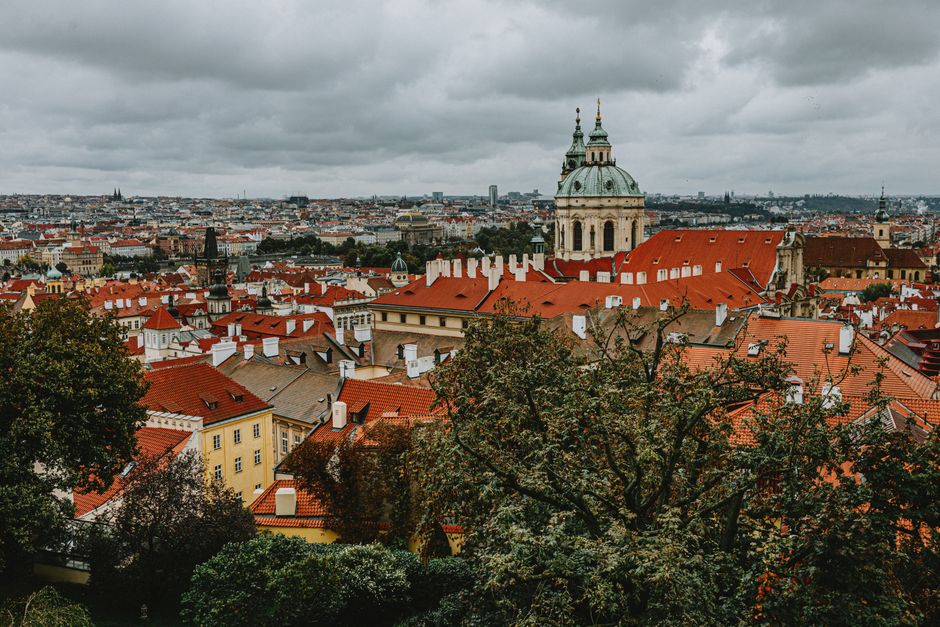
Not all of Europe is expensive. Here are the five countries where your $50 goes furthest right now.
Poland
A pint costs €2. A solid hostel dorm bed in Krakow or Warsaw runs €12-15. The food is hearty and cheap — pierogi from a milk bar (bar mleczny) costs under €3. Public transport is reliable and inexpensive. Train from Krakow to Zakopane for mountain hiking: €5.
Hungary
Budapest is the budget capital of Central Europe. Hostel dorms average €10-14. A full meal at a local eatery: €6-8. The ruin bars serve cheap drinks. Thermal baths like Széchenyi cost €18 for a day pass — that’s your splurge for the day, and it’s worth it.
Portugal (Skip Lisbon)
Lisbon got expensive. Porto is cheaper. The Algarve coast outside peak season (May or September) offers hostels for €15 and fresh seafood for €8. The trains between cities are affordable. A pastel de nata costs €1.20.
Romania
Bucharest and Cluj-Napoca are absurdly cheap. A dorm bed: €8-10. A three-course meal with wine: €10. The Carpathian Mountains offer free hiking. The train network is slow but dirt cheap — Bucharest to Brasov costs €5.
Bulgaria
Sofia and Plovdiv are the cheapest cities I’ve visited in Europe. Hostel dorms: €7. A full sit-down dinner: €6. Public transport within cities: €0.50 per ride. The Black Sea coast in summer is affordable, but stick to Burgas or Sozopol, not Varna.
The Daily Budget Breakdown: Exactly Where $50 Goes
| Category | Cost (USD) | Notes |
|---|---|---|
| Accommodation (dorm bed) | $15 | Hostelworld booking, 4-6 bed dorm |
| Breakfast | $3 | Hostel free breakfast or supermarket bread + cheese |
| Lunch | $5 | Street food, bakery, or supermarket sandwich |
| Dinner | $8 | Local restaurant, not tourist zone |
| Local transport | $3 | Bus/tram/metro day pass |
| Activities | $10 | Free walking tour (tip $5), museum, or hike |
| Misc (water, snacks, SIM) | $6 | Tap water is free in restaurants in most of Europe |
| Total | $50 |
This works. I’ve lived it. The key is cooking zero meals yourself — street food and local eateries are cheaper than groceries once you factor in hostel kitchen fees and your time.
Transport Hacks: How to Move Between Cities for Almost Nothing
Trains in Western Europe are expensive. A Paris-to-Barcelona TGV can cost €100. Don’t take it.
FlixBus is your best friend. They cover almost every European city. Book two weeks ahead and a 6-hour ride costs €10-15. The buses have WiFi, power outlets, and toilets. I traveled from Berlin to Prague for €9.99. From Krakow to Budapest for €12.
For longer distances, budget airlines like Ryanair and Wizz Air offer flights for €20-40 if you book early and pack only a carry-on. The catch: airports are often far from city centers. Factor in the €5-10 bus to and from the airport. Still cheaper than a train.
For shorter hops, use BlaBlaCar. It’s a ride-sharing app where locals drive between cities and sell empty seats. I went from Milan to Verona for €8. Safer than hitchhiking, cheaper than trains, and you meet people.
One mistake: buying a Eurail pass. It sounds romantic but it’s rarely cheaper than point-to-point tickets on FlixBus or budget airlines. Only buy it if you’re doing 5+ long train rides in Western Europe in under a month. For Eastern Europe, it’s a waste of money.
Food on a Dime: Eating Well Without Restaurant Bills
I eat well on $16/day for food. Here’s how.
Breakfast is free at most hostels. If not, hit a supermarket. A baguette, butter, jam, and a banana costs €2. Coffee from a cafe: €1.50. Skip the €8 hotel breakfast buffet.
Lunch is street food. In Poland, zapiekanka (open-faced baguette with cheese and mushrooms) costs €2. In Hungary, lángos (fried dough with sour cream) costs €2.50. In Portugal, a bifana (pork sandwich) costs €3. Eat where locals queue. Avoid any restaurant with a picture menu in English.
Dinner is your one real meal. Find a local restaurant two blocks off the main square. In Budapest, I ate at a place called Menza — goulash soup for €4, main dish for €6. In Krakow, Milkbar Tomasza serves a full Polish plate for €5.
Drink tap water. Europe’s tap water is safe almost everywhere. Carry a reusable bottle. That saves €2-3 per day on bottled water.
Alcohol is the budget killer. A night out drinking can blow $30. My rule: limit to one drink with dinner. If you want to party, buy a bottle of wine from a supermarket for €3 and drink it in a park with locals.
Staying Connected: The Cheapest SIM and Banking Options
Roaming charges between EU countries were abolished in 2017. So if you buy a SIM in one EU country, it works in all 27 member states. This is huge.
Buy a local SIM at the airport or a convenience store. In Poland, Orange Flex offers 30GB for €8. In Hungary, Telekom has 20GB for €7. In Portugal, NOS gives 10GB for €5. These are prepaid, no contract, valid for 30 days.
If you’re from the US, check if your carrier offers free international data. T-Mobile‘s Magenta plan includes 5GB of high-speed data in Europe at no extra cost. Google Fi charges $10/GB in Europe. Both work fine for maps and messaging.
For banking, open a Revolut or Wise account before you leave. They offer real exchange rates, no foreign transaction fees, and free ATM withdrawals up to a limit (Revolut: €200/month free, then 2% fee). Never use airport exchange kiosks — they take 10-15% in fees and terrible rates.
Carry a backup credit card with no foreign fees. Chase Sapphire Preferred and Capital One Venture both work well. Keep it in a separate pocket from your main cash. If you lose one, you’re not stranded.
The One Mistake That Will Break Your Budget
It’s not accommodation. It’s not food. It’s impulse spending on attractions.
You arrive in Rome. You see the Colosseum. The ticket is €18. Then the Vatican Museums: €17. Then the Borghese Gallery: €15. That’s €50 on attractions in one day. You’re over budget before dinner.
The fix: pick one paid attraction per city. Do everything else for free. Europe is full of free things: public parks, street art districts, free walking tours (tip €5), cathedrals (entry is usually free), and hiking trails. In Budapest, the Fisherman’s Bastion is free. In Krakow, Wawel Castle grounds are free. In Porto, the Dom Luís I Bridge walk is free.
Buy a city pass only if you plan to hit 4+ paid attractions in 48 hours. The Budapest Card (€30 for 48 hours) includes unlimited public transport and free entry to 20 museums. That’s worth it. The Paris Museum Pass (€62 for 2 days) is only worth it if you’re sprinting through museums. For most people, it’s a waste.
My rule: one paid attraction per city, max €15. The rest is walking, exploring, and free sights. You’ll have a better trip and more money left for the next city.