Europe by train is an iconic way to travel, offering panoramic views and direct city-center access. But the dream of gliding through vineyards and mountains can quickly hit a financial snag. Many travelers assume it’s an expensive luxury, especially when looking at the sticker price of a global rail pass.
The good news is that affordable train travel across Europe is entirely achievable. It requires a bit of research, strategic planning, and understanding the nuances of how European rail systems operate. You don’t need to break the bank to see the continent by rail; you just need to know where to look and what questions to ask.
Understanding Rail Passes vs. Point-to-Point Tickets
The first major decision for any budget-conscious European train traveler involves choosing between a rail pass and individual point-to-point tickets. There’s no single ‘best’ option; the optimal choice depends heavily on your travel style, route, and how many train journeys you plan to take. Many travelers instinctively gravitate towards a Eurail or Interrail pass, believing it’s the ultimate key to freedom, but often, point-to-point tickets offer better value for specific itineraries.
A rail pass, like the Eurail Global Pass or an Interrail Pass, provides unlimited travel (or a fixed number of travel days) within a set period across participating countries. It offers flexibility and convenience, letting you hop on and off trains without buying individual tickets. However, this convenience often comes at a premium, and hidden costs like mandatory seat reservations can quickly add up.
Point-to-point tickets, on the other hand, are individual tickets purchased for specific routes. These are typically bought in advance, directly from national rail operators or aggregators like Trainline or Omio. They can be significantly cheaper than a pass if your itinerary involves fewer, longer journeys or if you travel mostly within a single country with robust domestic discounts.
Eurail Global Pass: What It Covers and What It Doesn’t
The Eurail Global Pass is designed for non-European residents. It offers flexible travel days across up to 33 European countries. For example, a 1-month continuous pass for youth (under 28) can cost around €500-€700, while an adult pass might be €650-€900. A flexible pass, like 10 travel days within 2 months, is usually more expensive per day but offers greater control over when you use your travel days. It’s important to understand that while the pass covers the train journey itself, it usually does not cover mandatory seat reservations. High-speed trains in countries like France (TGV), Italy (Frecciarossa), and Spain (AVE) often require reservations that can range from €3 to €30 per journey. Night trains, like ÖBB Nightjet, also require reservations, sometimes costing upwards of €50 for a bed in a couchette. For a traveler planning short, frequent hops, these reservation fees can quickly erode any perceived savings from the pass.
Interrail Pass: The European Resident’s Advantage
The Interrail Pass is essentially the same product as Eurail but is exclusively for European residents. Pricing structures are similar, with youth, adult, and senior categories. The same caveats about seat reservations apply. Both Eurail and Interrail are excellent for those who prioritize spontaneity, plan to visit many countries, and travel extensively within those countries. If you’re backpacking for a month and taking a train every other day, a pass might be a good fit. However, if your trip focuses on just two or three cities with one or two long train rides between them, individual tickets will almost certainly be cheaper.
Point-to-Point Tickets: When They Win on Price
For many itineraries, individual point-to-point tickets offer superior value, especially when purchased in advance. National operators like DB (Germany), SNCF (France), Trenitalia (Italy), and Renfe (Spain) offer significant discounts for early bookings, sometimes up to 70% off the walk-up fare. For example, a high-speed TGV journey from Paris to Lyon, which might require a €10-€20 reservation fee with a pass, could be bought as an advance point-to-point ticket for as little as €25-€35. These ‘super saver’ fares are often non-refundable and non-changeable, so they require a firm itinerary. They are particularly effective for long, direct routes between major cities. Combining a few strategic point-to-point tickets for long distances with local, inexpensive regional trains for shorter hops often beats the cost of a comprehensive rail pass.
| Feature | Rail Pass (Eurail/Interrail) | Point-to-Point Tickets |
|---|---|---|
| Flexibility | High (unlimited travel days within period) | Low (fixed journey, date, time) |
| Cost Driver | Pass price + mandatory reservation fees | Ticket price; varies by booking time |
| Best For | Extensive, spontaneous multi-country travel | Fixed itineraries, few long journeys |
| Booking Time | Buy pass anytime; reservations needed later | Book far in advance for best prices |
| Typical Savings | Good for high-frequency, long-distance routes | Excellent for planned long routes, cheaper for short hops |
| Convenience | Show pass, get on train (with reservations) | Specific ticket for specific journey |
Booking Hacks: Timing, Discounts, and Lesser-Known Routes

Saving money on European train travel isn’t just about choosing the right ticket type; it’s also about mastering the art of booking. The European rail network operates on dynamic pricing for many routes, meaning ticket prices fluctuate based on demand, time of booking, and even the time of day you travel. A little knowledge here can save you a substantial amount, sometimes cutting ticket costs in half.
-
Early Bird Deals: Snagging Advance Fares
This is perhaps the single most effective strategy for reducing point-to-point ticket costs. Most national rail operators release tickets 2-4 months in advance, and the cheapest fares are almost always found during this early booking window. For example, SNCF in France often releases its ‘Prems’ tickets at significantly reduced prices for booking 3 months out. Similarly, Deutsche Bahn (DB) offers ‘Sparpreis’ (saver fare) tickets that can be as low as €19.90 for long-distance routes if booked well in advance. These fares are usually non-flexible, so your travel dates and times need to be firm. If you can commit to specific travel dates far in advance, this strategy is invaluable. Using aggregators like Trainline or Omio can help compare prices across different operators and find these early bird deals, though sometimes booking directly with the national operator website (e.g., bahn.de, sncf-connect.com) yields slightly better prices or more options.
-
Night Trains and Regional Lines: Slow Travel, Big Savings
While high-speed trains are efficient, they often come with higher price tags and mandatory reservation fees. For budget travelers, exploring night trains and regional lines can be a . Night trains, such as those operated by ÖBB Nightjet, offer an overnight journey, saving you a night’s accommodation cost. While a couchette bed still requires a reservation fee, it’s often cheaper than a hotel and a daytime high-speed ticket combined. Furthermore, opting for slower regional trains, which typically don’t require reservations, can drastically cut costs. These local lines might take longer, but they offer a more scenic route through smaller towns, often with charming stops. For example, a journey from Munich to Salzburg via a regional Bayernticket (a day pass for Bavaria) might be slower but significantly cheaper than the high-speed Railjet service, especially if traveling in a group.
-
Loyalty Programs and Seasonal Sales
Many European rail operators have loyalty programs that offer discounts or points, though these are typically most beneficial for frequent travelers within a single country. However, seasonal sales are relevant for everyone. Keep an eye out for promotions around holidays or during off-peak travel seasons. For instance, sometimes national operators will have flash sales for specific routes or introduce new low-cost brands (like OUIGO in France or Iryo in Spain) that compete directly with budget airlines. Subscribing to newsletters from major operators like DB, SNCF, or Trenitalia can alert you to these limited-time offers. Also, consider off-peak travel times. Traveling mid-week or during the shoulder seasons (spring and autumn) almost always yields cheaper tickets than peak summer or holiday periods.
Beyond the Ticket: Hidden Costs and How to Beat Them
Securing a cheap train ticket is only one piece of the budget travel puzzle. Many travelers overlook the array of additional expenses that can quickly inflate a seemingly affordable trip. Understanding these hidden costs and planning for them is crucial for maintaining your budget integrity. From seat reservations to staying connected, these factors demand attention and strategic solutions.
Seat Reservations: The Unexpected Expense
As mentioned, mandatory seat reservations are the most common hidden cost for rail pass holders. While a Eurail or Interrail pass covers the base fare, many popular high-speed and international trains, particularly in Western Europe, require an additional reservation. These can range from a modest €3-€5 for an InterCity connection in Germany to €10-€20 for a TGV in France, and up to €30-€50 for certain premium services or night train couchettes. Failing to account for these can add hundreds of euros to a multi-week trip. To avoid them, prioritize regional trains or consider routes where reservations are optional (e.g., many trains in Germany, Austria, and Switzerland). If a reservation is unavoidable, book it as far in advance as possible, often directly through the national rail operator’s website or at a station, as third-party sites can add booking fees. Always check a specific route on a site like Rail Planner (for Eurail/Interrail users) or national rail operator sites to see reservation requirements and costs before committing to a pass or route.
Luggage and Connectivity: Essential Budget Considerations
Unlike airlines, most European train operators have very generous luggage policies, often allowing multiple bags without extra fees. This is a significant advantage, but you still need to manage your bags effectively. Traveling light with a single, easy-to-manage backpack or small suitcase makes boarding and disembarking much smoother. Overpacking leads to stress and potential additional costs if you decide to check a bag on a connecting flight, for instance. For connectivity, relying on expensive roaming plans can quickly drain your budget. A much smarter approach is to use an eSIM service. Providers like Airalo or Holafly offer data-only plans for specific countries or regions at competitive prices. For example, a 10GB data plan for Europe, valid for 30 days, can cost around €25-€35, providing ample data for navigation, communication, and entertainment without fear of bill shock. This is a significant saving compared to the daily roaming charges of many home telecom providers. Simply install the eSIM profile before you travel, and you’ll have instant connectivity upon arrival.
Travel Insurance: Protecting Your Investment
While not a direct hidden cost of the train ticket itself, travel insurance is an absolutely essential, often overlooked, investment that protects your budget from much larger potential losses. European train travel, while generally smooth, is not immune to delays, cancellations, or lost luggage. Imagine a missed connection leading to an unexpected overnight stay, or a theft that leaves you without your passport and essentials. Without travel insurance, these incidents can easily cost hundreds, if not thousands, of euros out of pocket. Comprehensive travel insurance, typically underwritten by financial services companies, covers a range of unforeseen events: trip interruption or cancellation, emergency medical expenses, baggage loss or delay, and personal liability. Providers like World Nomads or SafetyWing offer flexible plans tailored for travelers, including options for adventurous activities. A typical policy for a two-week European trip might cost €50-€100, a small price to pay for peace of mind and financial security against the unexpected. It’s not just a recommendation; it’s a non-negotiable part of responsible budget planning.
Essential Gear for the Frugal Train Traveler

Packing smart is arguably the most underrated budget hack for train travel. Your gear choices directly impact comfort, convenience, and ultimately, your wallet. Heavy luggage means more hassle, potentially higher taxi fares, and less flexibility. Thoughtful packing, on the other hand, empowers you to move easily, access essentials, and avoid unnecessary purchases on the road. The right gear streamlines your experience and protects your budget from unforeseen expenses.
The Right Backpack: Packing Light and Efficiently
For train travel, a well-designed travel backpack is superior to a rolling suitcase in almost every scenario. You’ll be navigating cobblestone streets, climbing stairs in train stations, and maneuvering through crowded aisles. A backpack like the Osprey Farpoint 40L or the Nomatic Travel Bag (40L) offers enough capacity for a multi-week trip while remaining carry-on compliant for most airlines, should you take a budget flight segment. These bags typically feature clam-shell openings for easy packing, padded straps for comfort, and external pockets for quick access. The key is to pack light: aim for clothes that can be mixed and matched, quick-drying fabrics, and only essential toiletries. Remember, you’ll likely do laundry on your trip, so you don’t need a fresh outfit for every single day.
Staying Connected: Affordable eSIMs
As mentioned earlier, an eSIM is a financial for staying connected across Europe. Forget expensive roaming or the hassle of buying local SIM cards in every country. With an eSIM, you download a digital SIM profile to your phone, granting you immediate access to mobile data. Services like Airalo, Holafly, or MobiMatter offer various packages, from country-specific plans (e.g., 5GB for France for €10) to regional Europe-wide plans (e.g., 20GB for 30 days across 30+ countries for €30). These services are compatible with most modern smartphones (iPhone XS and newer, many Android models). Before your trip, simply download and activate the plan, ensuring you have data for maps, train schedules, and communication without incurring exorbitant roaming fees from your home provider.
Power Banks and Adapters: Never Run Out of Juice
While most modern European trains offer power outlets, they can be scarce, occupied, or simply not working. A reliable portable power bank is a crucial item to keep your phone, tablet, and other devices charged throughout long journeys or during unexpected delays. Look for power banks with at least 10,000mAh capacity, which can typically recharge a smartphone 2-3 times. Brands like Anker or RAVPower are highly regarded for their durability and charging efficiency. The Anker PowerCore 10000 PD, for instance, provides fast charging in a compact size, usually available for around €30-€40. Don’t forget a universal travel adapter with multiple USB ports, ensuring you can charge all your devices simultaneously from a single European power outlet (Type F/E two-pin plug). This prevents you from needing multiple bulky adapters and keeps everything powered up on the go.
Verdict: Best Strategy for Budget European Train Travel in 2026
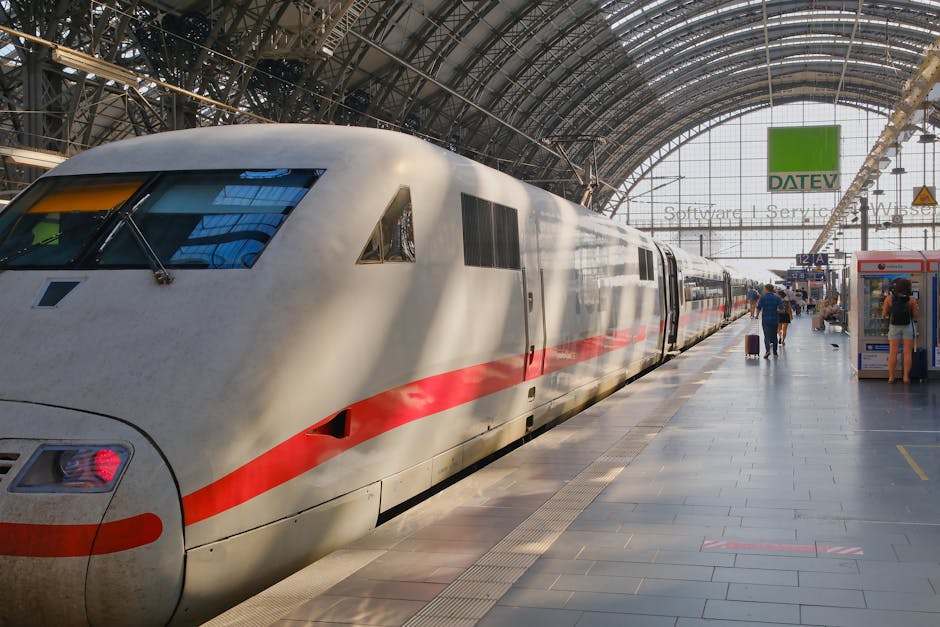
For most budget-conscious travelers aiming for cheap train travel in Europe in 2026, a strategic blend of early-bird point-to-point tickets for longer legs, combined with regional passes or slower trains for shorter hops, offers the best value. This approach avoids expensive rail pass fees and mandatory reservations. Always prioritize booking long-distance tickets 2-4 months in advance, and protect your trip with comprehensive travel insurance and a reliable eSIM.